 Nayara Elvina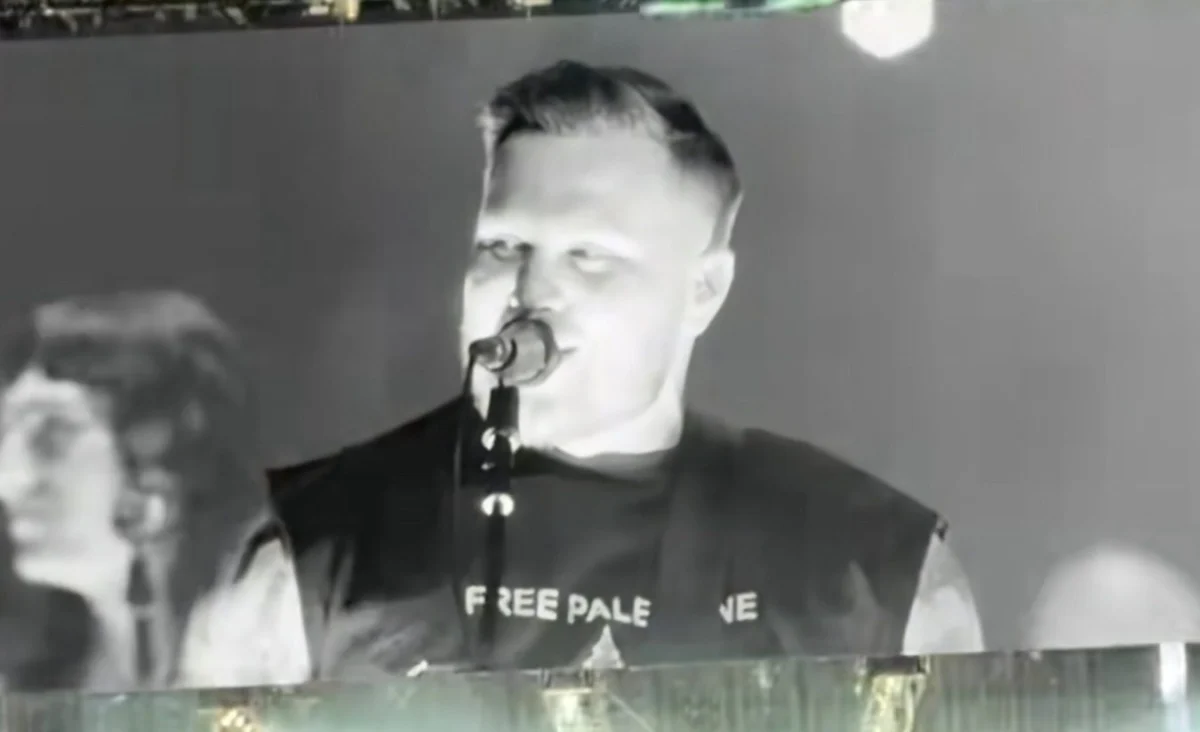
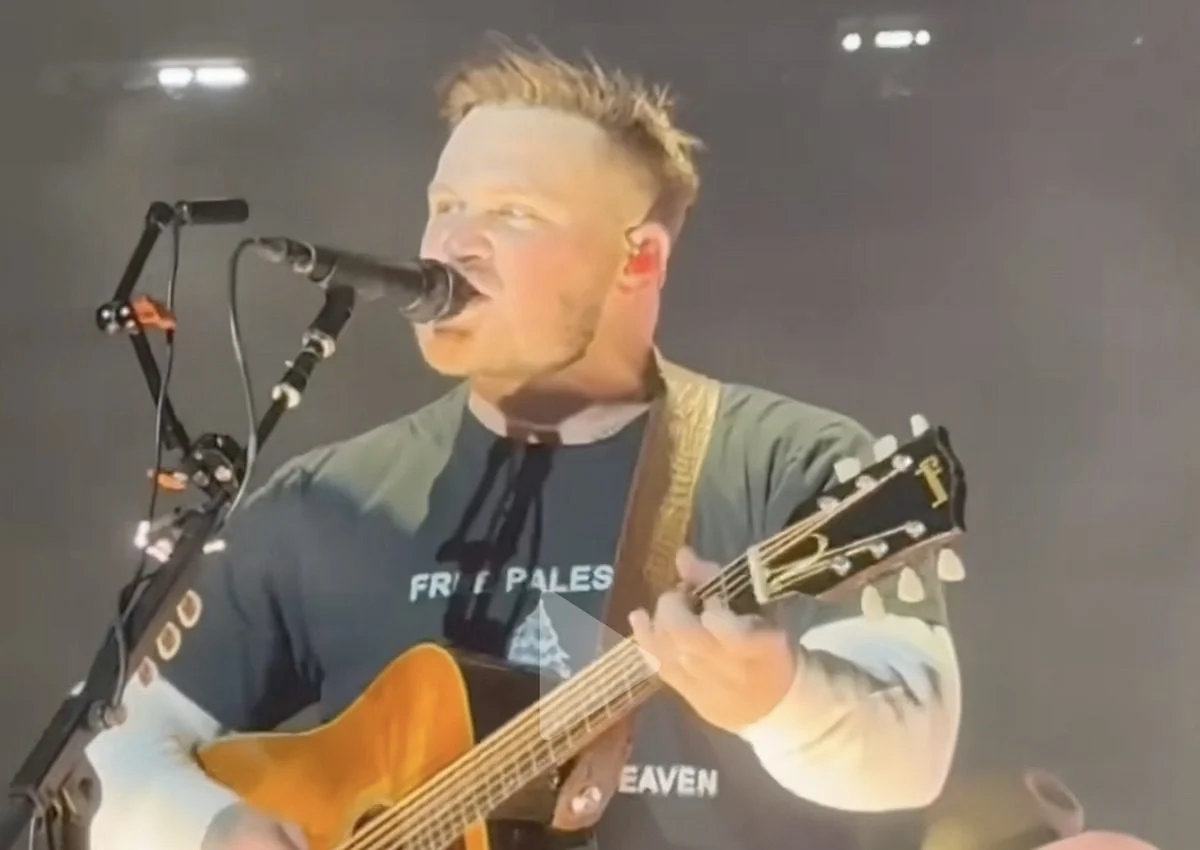
Country music star Zach Bryan made a definitive and highly visible statement during his weekend concert series at Gillette Stadium in Foxborough, Massachusetts, taking the stage alongside members of his touring band while wearing apparel bearing the message “Free Palestine.” The performance marks a dramatic escalation in an ongoing cultural and political flashpoint that has recently engulfed major touring artists, high-profile venue owners, and the broader live entertainment industry.
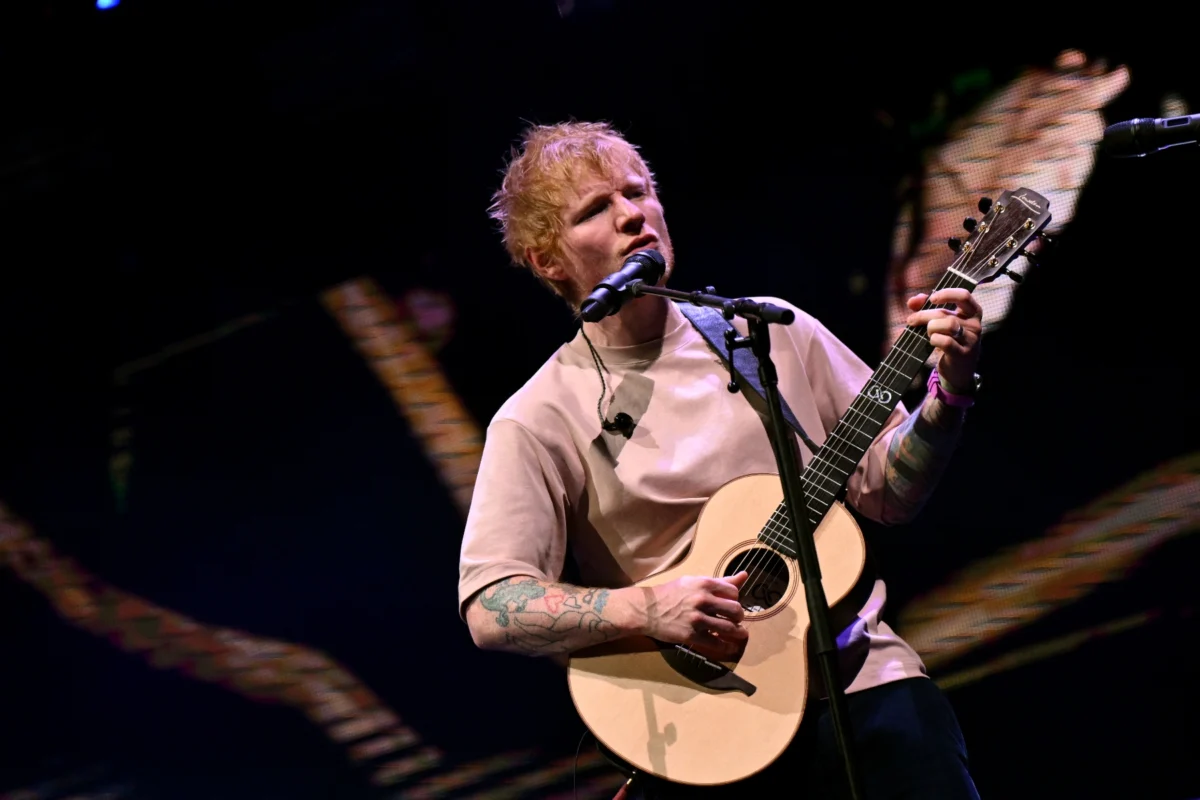
The demonstration in Foxborough comes directly on the heels of a high-profile controversy involving rapper Macklemore, New England Patriots owner Robert Kraft, and pop superstar Ed Sheeran. As the intersection of geopolitical activism and large-scale commercial music tours faces unprecedented scrutiny, industry figures and venue stakeholders are increasingly forced to navigate complex questions regarding freedom of expression, contractual obligations, and corporate governance within privately operated entertainment complexes.
Chronology of the Controversy
The series of events leading to Zach Bryan’s demonstration began earlier in the month during the United States leg of Ed Sheeran’s ongoing stadium tour. Macklemore, serving as a supporting act for Sheeran, took the stage at MetLife Stadium in East Rutherford, New Jersey, to deliver a lengthy and politically charged monologue. During his set, the rapper addressed the ongoing conflict between Israel and Palestine, utilizing his platform to publicly voice his stance.
“A big part of the reason why I wanted to do this tour in the first place is so I could stand up in stadiums like this and say two words that are very near and dear to my heart: ‘Free Palestine,’” Macklemore told the MetLife Stadium crowd. He continued by stating he wanted his words to be loud and clear so that individuals in Gaza and the occupied West Bank would know they had not been forgotten.
The nearly three-minute rant also included expressions of support for Iran and characterized U.S. Immigration and Customs Enforcement (ICE) as a terrorist organization. While the speech drew varied reactions from concertgoers, the portion addressing the Israeli-Palestinian conflict immediately ignited widespread debate across the music industry.
Within days, fellow musicians publicly weighed in on the appropriateness of utilizing opening slots on major concert tours for unilateral political messaging. Blues-rock guitarist Joe Bonamassa took to social media to criticize the breach of customary touring etiquette, writing that while headliners filling stadiums possess the autonomy to address various topics, opening acts should adhere to standard industry norms. Pop singer Pink, who is Jewish, also addressed the situation publicly, condemning Hamas and contributing to the swelling discourse surrounding the rhetoric used during stadium concerts.
The Fallout and Venue Ban
Following the MetLife Stadium incident, Macklemore was scheduled to perform as an opener for eight of the remaining ten dates on Sheeran’s U.S. tour. However, industry organizers and venue executives intervened.
Macklemore subsequently released a detailed statement via social media alleging that Robert Kraft—owner of the New England Patriots and the Kraft Group, which operates Gillette Stadium—had contacted Ed Sheeran directly to bar the rapper from performing at the Foxborough venue. According to Macklemore’s account, Kraft allegedly coordinated with other major stadium owners to issue an ultimatum to the tour’s management, indicating that venues would refuse to host the tour if the supporting act remained on the roster.
Robert Kraft later issued an official statement confirming and contextualizing the decision to exclude Macklemore from the Gillette Stadium performances scheduled for late September. The statement cited not only the specific rhetoric delivered from the stage in New Jersey but also a broader historical context involving the artist.
“Based on Macklemore’s recent actions, material shared from the stage during Ed Sheeran’s shows in New Jersey, and a broader history of antisemitic rhetoric and imagery that we believe has been deeply offensive and hurtful to the Jewish community, we determined that his participation in the September 25th and 26th concerts at Gillette Stadium would cross that line,” Kraft stated.
Following the exclusion, additional supporting acts reportedly withdrew from remaining dates on Sheeran’s tour, while Macklemore announced plans for an independent concert series titled the "Free Palestine" tour.
Zach Bryan’s Demonstration at Gillette Stadium
As the controversy continued to reverberate through the live music sector, Zach Bryan arrived at Gillette Stadium for a pair of sold-out performances. Stepping onto the stage where the previous venue disputes had centered, Bryan and several members of his backing band wore custom shirts featuring the phrase “FREE PALESTINE AN APPEAL TO HEAVEN.”
The action immediately drew intense public attention across digital platforms and traditional news outlets. By utilizing the stage of Gillette Stadium—the very venue at the center of the dispute between Robert Kraft and Macklemore—Bryan’s choice of attire was widely interpreted as a direct commentary on corporate venue censorship and artistic freedom of expression.
Because Bryan’s second scheduled performance at Gillette Stadium loomed immediately following the opening night, industry observers and fans quickly speculated on whether the venue’s management or ownership would take punitive action or issue a response to the demonstration. To date, representatives for the Kraft Group and Gillette Stadium have not issued a formal public comment regarding Bryan’s attire during the concert.
Broader Impact and Industry Implications
The convergence of geopolitical activism and live entertainment highlights mounting operational and legal challenges for venue operators, tour promoters, and artists alike. Stadiums and arenas—frequently operated by holding companies, professional sports franchises, or municipal authorities—must balance commercial liability, public safety, and community relations against the First Amendment rights and personal convictions of touring performers.
Legal experts note that while private venues generally retain the legal authority to deny booking requests or restrict performers based on safety, contractual provisions, or conduct policies, doing so often triggers intense public relations consequences and broader ideological debates. Promoters and booking agencies now face increasing pressure to establish clearer guidelines regarding political discourse during live events, particularly as high-profile artists leverage massive stadium audiences to address polarizing international conflicts.
Furthermore, the willingness of major acts like Zach Bryan to visibly align themselves with contentious geopolitical movements in defiance of venue-level restrictions signals a potential shift in touring culture. Rather than discouraging artists from speaking out, efforts to censor or remove performers may increasingly serve to galvanize solidarity within the broader music community, setting the stage for further friction between corporate venue ownership and touring musicians as the concert season continues.