Kholidah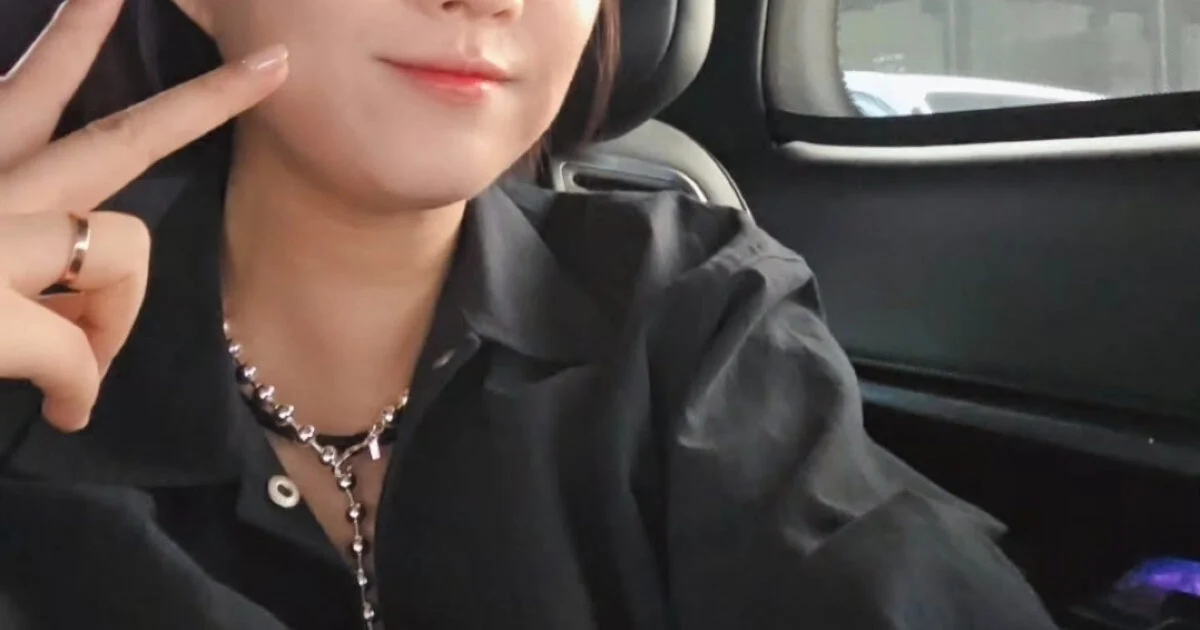
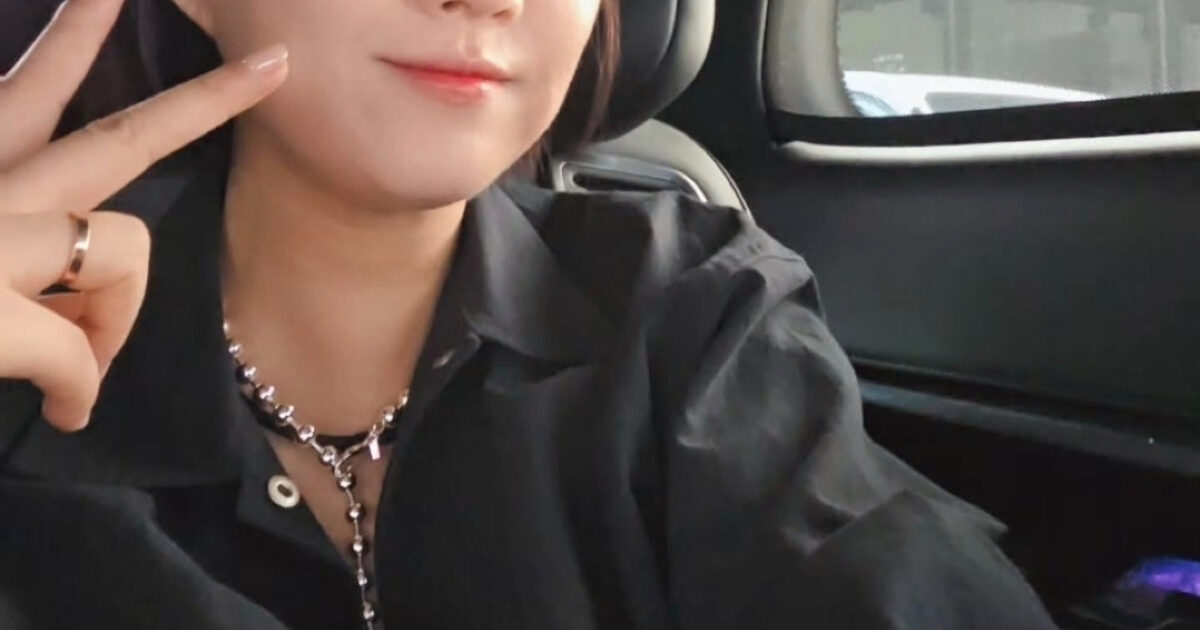
The content, which initially appeared to be a standard lifestyle vlog focusing on health and wellness, took a somber turn when Jang transitioned from her kitchen to a compact, single-person cypress wood sauna installed within a corner of her residence. As she demonstrated the process of heating stones to generate steam, she candidly addressed the reasons behind the installation of such specialized equipment in a private home. Jang confessed that the simple pleasure of visiting public bathhouses and saunas—a deeply ingrained cultural practice in South Korea—has been permanently stripped from her life following traumatic experiences with illegal filming.
The Violation of Personal Space and the Rise of "Molka" Culture
Jang Yoon Jeong’s testimony highlights a critical issue within South Korean society: the proliferation of illegal filming, colloquially known as "molka." This phenomenon involves the surreptitious recording of individuals in private or vulnerable settings, often using high-tech hidden cameras or, as Jang noted, increasingly ubiquitous smartphones. The singer explained that while she once found solace and relaxation in public baths, the atmosphere shifted as smartphone technology became a standard accessory for every citizen.
The singer revealed that she had been a direct victim of this invasive behavior, noting that photos were taken of her while she was in the vulnerable environment of a public bathhouse. This violation of her bodily autonomy and privacy led to a lasting psychological impact, instilling a sense of fear that eventually forced her to abandon public facilities entirely. Her decision to install a personal sauna was not a luxury, but a necessity born out of a requirement for safety and the preservation of her dignity.
Statistical Context: The Epidemic of Illegal Filming in South Korea
The experience shared by Jang Yoon Jeong is reflective of a broader national crisis. According to data provided by the National Police Agency of South Korea, reports of illegal filming have seen a significant upward trend over the past decade. In the early 2010s, cases were numbered in the low thousands; however, by the late 2010s and early 2020s, reported incidents frequently exceeded 5,000 to 6,000 cases annually.
Experts suggest that these figures likely represent only a fraction of the actual occurrences, as many victims choose not to report the crimes due to social stigma or the fear of further exposure. The South Korean government has responded to this epidemic with various legislative measures, including the "Act on Special Cases Concerning the Punishment, etc. of Sexual Crimes." Under this law, individuals found guilty of using cameras or other similar devices to film another person’s body in a way that may cause sexual shame or desire against their will can face up to seven years in prison or a fine of up to 50 million won (approximately $38,000 USD).
Despite these legal deterrents, the ease with which technology can be manipulated has made enforcement difficult. The transition from specialized "spy cams" to the everyday smartphone—as highlighted by Jang—means that any public space can become a site of potential victimization.
Chronology of a Public Life Under Scrutiny
To understand the weight of Jang Yoon Jeong’s confession, one must consider her trajectory as one of South Korea’s most prominent public figures.
- 2004 – The "Omona" Phenomenon: Jang Yoon Jeong rose to superstardom with the release of "Omona," a track that revitalized the trot genre (a form of traditional Korean pop music). Her success made her a household name across all generations.
- 2005–2015 – Peak Public Exposure: During this decade, Jang became a staple on variety shows, radio, and national festivals. As her fame grew, so did the intensity of public scrutiny. This period coincided with the rapid expansion of the South Korean telecommunications market and the introduction of high-quality camera phones.
- 2016–2020 – The Shift in Public Behavior: As social media platforms like Instagram and YouTube became dominant, the culture of "celebrity spotting" evolved into a constant demand for digital content. Public figures began reporting higher instances of "paparazzi-style" behavior from ordinary citizens.
- 2021–Present – Withdrawal to Private Sanctuaries: Following the incidents of illegal filming she mentioned, Jang significantly altered her lifestyle. The recent YouTube video confirms that her transition to a more secluded, home-based life was a direct response to privacy violations.
Psychological Implications and the Loss of "Normalcy"
The impact of illegal filming on victims extends far beyond the immediate moment of the incident. For a celebrity like Jang Yoon Jeong, the loss of access to public spaces signifies a loss of "normalcy"—the ability to participate in communal cultural activities that define Korean daily life. The psychological toll of being watched or recorded without consent often leads to hyper-vigilance, anxiety, and social withdrawal.
Sociologists argue that when public figures are forced to retreat into private bunkers, it reflects a "panopticon" effect in modern society, where the gaze of the many is constantly focused on the few, facilitated by digital lenses. Jang’s description of her home sauna as a place where she can finally feel "uncomfortable-free" suggests that for high-profile individuals, true relaxation is now only possible behind locked doors and reinforced privacy barriers.
Broader Societal Impact and Industry Reactions
The entertainment industry has long struggled with the balance between fan engagement and the protection of artists. While agencies often employ security teams for official events, they have little control over the actions of the public in communal spaces like saunas, gyms, or restaurants.
The reaction from the public to Jang’s confession has been largely sympathetic, with many netizens expressing outrage over the lack of basic etiquette and respect for privacy. Comments on social media platforms have called for stricter enforcement of privacy laws in public baths and more rigorous penalties for those who distribute illegally obtained footage.

In response to the broader "molka" crisis, many public facilities in South Korea have implemented "no-smartphone" zones or have begun employing security personnel to conduct regular sweeps for hidden recording devices. However, as Jang Yoon Jeong’s case illustrates, these measures are often insufficient to restore the sense of safety that has been lost.
Analysis of Implications for Digital Ethics
Jang Yoon Jeong’s story serves as a cautionary tale regarding the current state of digital ethics. The normalization of recording others without consent—often dismissed as "fandom" or "curiosity"—has tangible, damaging consequences.
- The Devaluation of Privacy: There is an increasing sentiment that public figures "sign away" their right to privacy in exchange for fame. Jang’s experience challenges this notion, asserting that bodily autonomy in a private setting like a bathhouse is a fundamental right that should not be forfeit.
- The Role of Platforms: Platforms like YouTube and various social media sites provide a space for celebrities to share their stories, but they also host the very content that fuels the demand for "candid" or "unauthorized" footage.
- The Necessity for Cultural Change: Legal punishments alone have proven insufficient to curb illegal filming. Experts argue that a fundamental shift in education regarding digital consent is required to address the root of the problem.
Conclusion
Jang Yoon Jeong’s revelation is more than a personal anecdote; it is a stark indictment of the privacy challenges facing modern society. By choosing to share her "bitter behind-the-scenes story," she sheds light on the reality that even the most successful individuals are not immune to the predatory nature of illegal filming. Her transition to a home-based lifestyle, while a practical solution for her own well-being, underscores a tragic reality: for some, the price of fame is the permanent loss of the public sphere.
As South Korea continues to grapple with the legal and social ramifications of "molka," the voices of victims like Jang Yoon Jeong are essential in driving the conversation toward meaningful reform. Her story remains a powerful reminder that behind the glamour of the stage lies a human being entitled to the same safety and dignity as any other citizen—a right that should not be compromised by the lens of a smartphone.