Indra Aziz
The landscape of modern metalcore has a new, electrifying addition with the collaboration between Italian producer Mazare and the powerhouse vocals of Lost In Hollywood, culminating in the release of their impactful single, "The End." This track represents a significant moment for Mazare, who, after a decade of refining his sonic identity, has leveraged a fresh creative canvas to deliver a composition that is both deeply personal and universally resonant. "The End" is a testament to the producer’s evolving artistry, seamlessly blending the raw aggression of metalcore with emotionally charged lyricism and meticulously crafted melodies.
A Fusion of Influences and a Sonic Evolution
Mazare’s journey into music production is deeply rooted in a rich tapestry of influences, a direct reflection of his formative years immersed in his father’s diverse record collection. This upbringing exposed him to a broad spectrum of genres, from the progressive complexities of Pink Floyd and Genesis to the anthemic power of U2 and the modern heavy soundscapes of Bring Me The Horizon. These foundational artists have instilled in him a profound appreciation for balancing delicate, atmospheric textures with crushing, visceral heaviness. This dualistic approach is a hallmark of his work, and "The End" serves as a prime example of this carefully curated sonic palette.
In contrast, Lost In Hollywood, and particularly its lead vocalist Amon Garrasi, brings a distinct energy to the collaboration. Their established sound is characterized by a more gritty, unvarnished instrumentation, forged in the crucible of live performance. This inherent stage-readiness translates into a potent delivery that is designed to captivate and electrify audiences. The synergy between Mazare’s intricate production and Garrasi’s raw vocal power is the engine that drives "The End" forward, creating a dynamic and unforgettable listening experience.
The Genesis of "The End": A Personal Narrative
The creative impetus behind "The End" stems from a deeply personal experience for Mazare. He describes his ambition for the track as an attempt to emulate the masterful balance that Bring Me The Horizon achieves, weaving together heavy, detuned guitar riffs, profoundly emotional lyrics, and undeniably catchy hooks into a cohesive artistic statement. "I’ve always been a fan of how Bring Me The Horizon are able to blend heavy detuned guitars, deeply emotional lyrics and incredibly catchy hooks into one cohesive body of work, and that’s what I tried to achieve with this one," Mazare explained. "Stemming from a recent personal experience, I tried to put my feelings into words while keeping an eye on the structure and melodies of the song."
The production process involved more than just crafting musical elements; it was an exercise in translating raw emotion into a tangible auditory form. Mazare meticulously worked on the song’s architecture, ensuring that the instrumental foundation was robust enough to support the weight of the lyrical content. The strategic placement of full-throttle riffs, diving breakdowns, and dynamic percussion are not merely stylistic choices but deliberate components designed to amplify the emotional arc of the narrative.
Amon Garrasi’s Crucial Contribution: The Emotional Core
The true transformative element of "The End" lies in the performance of Amon Garrasi. Mazare credits Garrasi with elevating the track from a conceptual idea to a visceral emotional experience. "Amon, the singer of Lost In Hollywood, did the heavy lifting by bringing the emotional weight needed to turn what was just an idea in my head into a proper gut punch. And he absolutely CRUSHED it," Mazare stated emphatically. This highlights the symbiotic nature of the collaboration, where Mazare’s technical and compositional prowess found its perfect vocal counterpart in Garrasi’s impassioned delivery.
Garrasi’s reaction to the track underscores his enthusiasm and the creative freedom he experienced. "I was super hyped after hearing the first instrumental demo and had so much fun putting my vocals on this track and chopping them up here and there," he commented. "Mazare also made some incredible additions and changes after that regarding the instrumental that made the song way more emotional. Can’t wait to get this one out!" This exchange reveals a collaborative spirit where both artists actively contributed to shaping the final output, pushing the boundaries of their respective creative zones. The mention of "chopping them up here and there" suggests an experimental approach to vocal layering and processing, adding another layer of complexity to the track’s sonic texture.
The Production Timeline and Development
While the precise timeline of "The End’s" creation is not publicly detailed, the collaborative nature of its development suggests a process that likely began with Mazare laying down the foundational instrumental framework. This initial demo would have then been shared with Lost In Hollywood, allowing Garrasi to craft and record his vocal performances. The subsequent feedback loop, where Mazare made further instrumental adjustments based on Garrasi’s vocals, indicates a dynamic and iterative workflow. This approach is common in modern music production, especially for collaborations involving artists in different locations, utilizing digital audio workstations and cloud-based sharing to facilitate the process.
The iterative nature of the production, as highlighted by Garrasi’s comment about Mazare’s "incredible additions and changes," implies that the song underwent significant refinement. This might have included adjustments to tempo, key, instrumentation, and vocal arrangement to ensure the final product delivered the intended emotional impact and sonic coherence. The fact that both artists express such positive anticipation for its release suggests that the collaborative process was not only productive but also creatively fulfilling for both parties.
Supporting Data and Industry Context
The release of "The End" arrives at a time when the metalcore genre continues to evolve, with artists increasingly exploring hybrid sounds and collaborations that bridge traditional subgenre boundaries. The increasing accessibility of production technology has democratized music creation, allowing artists like Mazare to craft sophisticated soundscapes from their home studios. Simultaneously, the rise of online platforms for collaboration and distribution has made it easier for artists from different geographical locations and musical backgrounds to connect and create.
The success of artists like Bring Me The Horizon, whom Mazare cites as an inspiration, demonstrates the enduring appeal of metalcore when infused with strong melodic sensibilities and relatable lyrical themes. This trend suggests a broader audience appetite for music that offers both cathartic aggression and emotional depth. "The End" positions itself within this contemporary musical landscape, aiming to capture both the die-hard metalcore fans and a wider audience drawn to its powerful emotional resonance.
The global reach of digital music streaming services further amplifies the potential impact of such collaborations. Platforms like Spotify, Apple Music, and YouTube allow independent artists to reach a worldwide audience, bypassing traditional gatekeepers of the music industry. The shared excitement from both Mazare and Lost In Hollywood indicates a strong belief in the track’s potential to resonate with listeners across these platforms.
Broader Impact and Implications
The collaboration between Mazare and Lost In Hollywood on "The End" serves as a potent example of how artistic synergy can yield compelling results. For Mazare, this release marks a significant step in solidifying his presence within the electronic and metal-adjacent music scenes, showcasing his ability to translate his diverse influences into a cohesive and impactful metalcore track. It reinforces his reputation as a producer capable of creating polished yet raw sonic experiences.
For Lost In Hollywood, and specifically Amon Garrasi, this collaboration offers an opportunity to showcase their vocal prowess on a project with a different production style. It expands their reach to a potentially new audience that might not have encountered their music previously. The success of such cross-genre collaborations can often lead to increased visibility and new opportunities for all involved.
Furthermore, "The End" contributes to the ongoing narrative of genre fluidity in contemporary music. The lines between electronic production and heavy guitar music are increasingly blurred, with artists like Mazare pushing these boundaries. This trend fosters innovation and keeps the metalcore genre dynamic and relevant, attracting both established fans and a new generation of listeners. The track’s ability to be both a "gut punch" and to possess "incredibly catchy hooks" suggests a strategic approach to songwriting that aims for broad appeal without compromising artistic integrity.
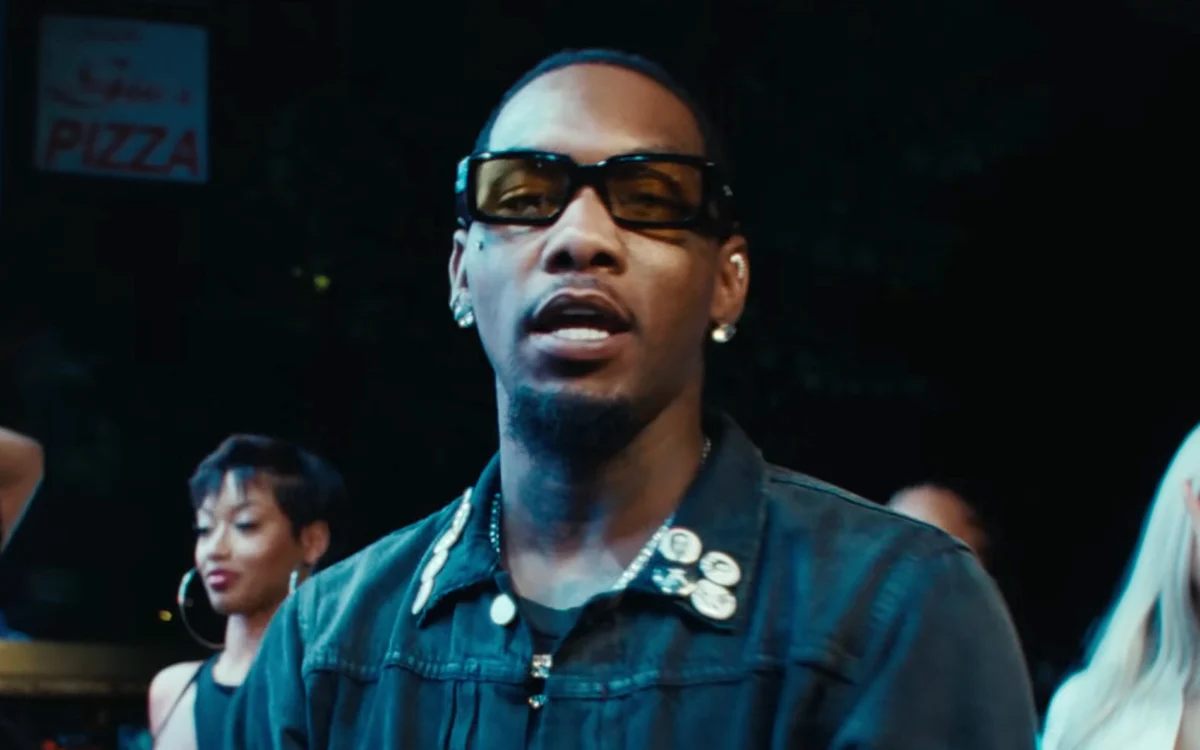
The photographic credit to Tiziana Moccia also indicates a professional approach to the release, suggesting that visual elements will likely accompany the music, further enhancing its overall presentation and reach. In an era where visual aesthetics play a crucial role in music consumption, professional photography signals a commitment to a high-quality release.
Conclusion
"The End" by Mazare and Lost In Hollywood is more than just a single; it’s a meticulously crafted sonic narrative that showcases the power of collaboration and artistic evolution. By drawing on a rich history of influences and infusing it with personal experience and raw emotion, Mazare has delivered a track that is both a personal triumph and a significant contribution to the metalcore genre. Amon Garrasi’s commanding vocal performance elevates the song, transforming it into a truly cathartic and unforgettable experience. As listeners tune in, they are invited to witness a potent fusion of electronic production finesse and visceral metalcore energy, a testament to the ever-expanding possibilities within modern music. The anticipation surrounding this release, palpable in the artists’ own words, suggests that "The End" is poised to make a significant impact on the music scene.