Aveline Kirana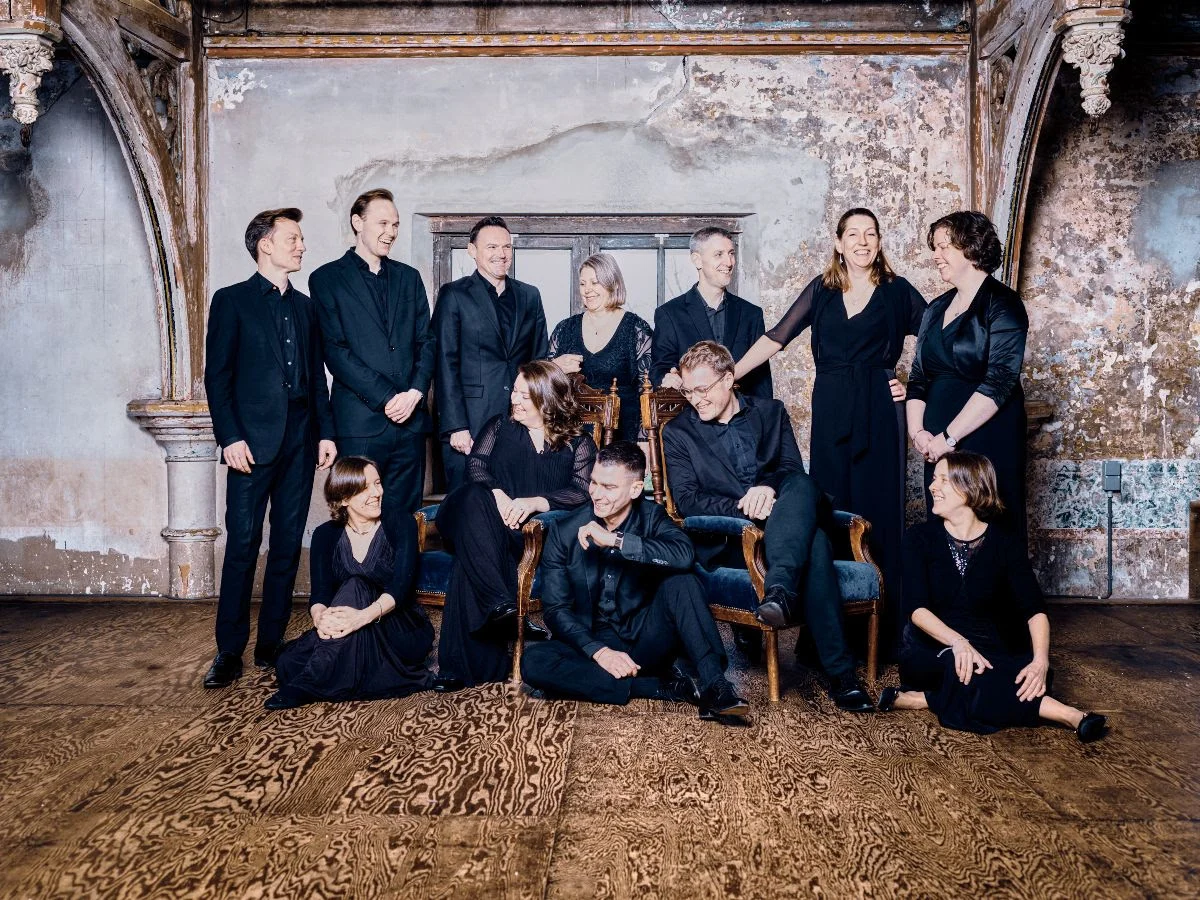
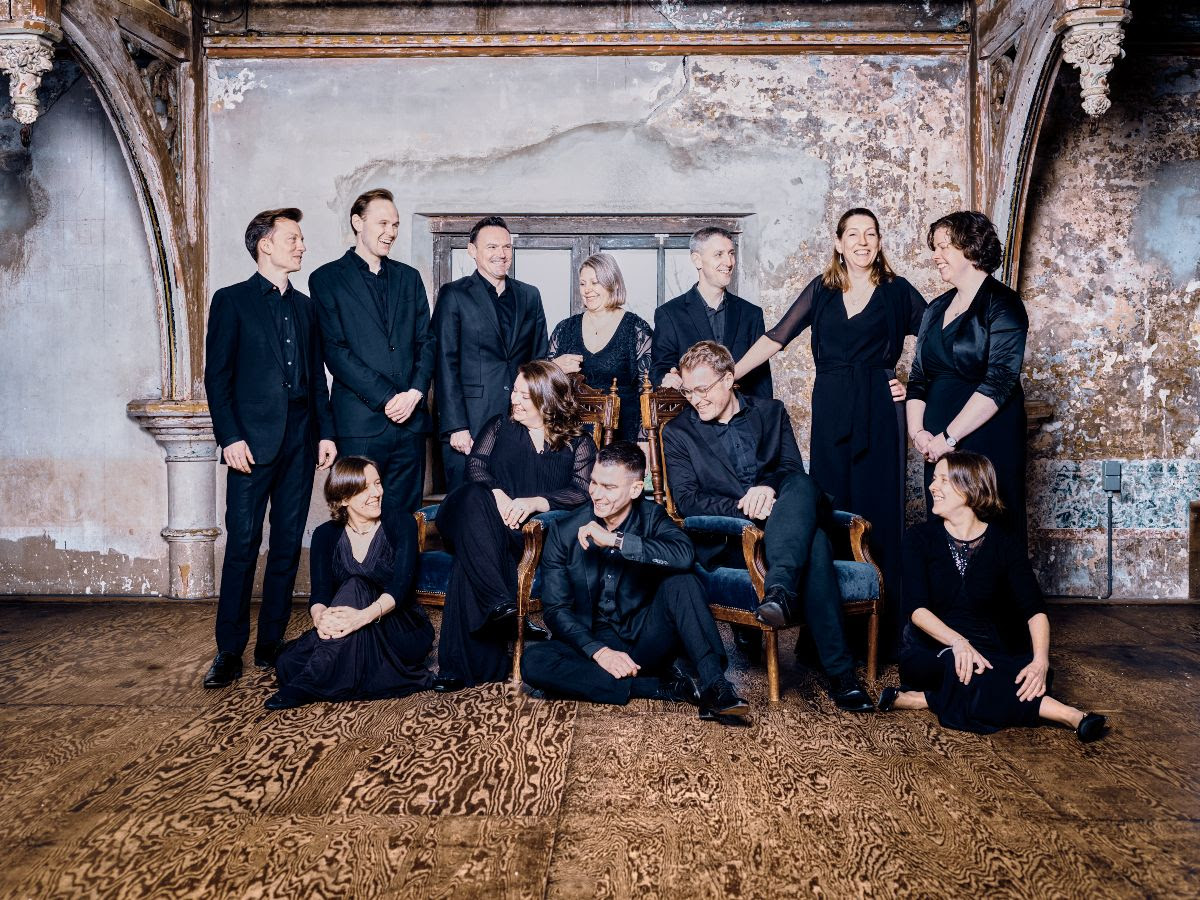
On October 15, the internationally renowned British vocal ensemble Stile Antico will bring its distinctive brand of conductor-less choral artistry to the Church of St. Mary the Virgin in New York City. The program, titled Polyphonic Postcards, serves as a bridge between the Renaissance masterworks that defined the golden age of polyphony and the contemporary evolution of the form. Central to the evening’s narrative is a world premiere commission by composer Christopher Cerrone, a work specifically tailored for the ensemble’s unique sonic profile.
A Program of Historical and Modern Synthesis
The repertoire for the evening is as geographically diverse as it is chronologically significant. By weaving together compositions from the 16th and early 17th centuries, the ensemble aims to illustrate how European musical traditions traversed borders, influencing and being influenced by the socio-political shifts of the era. The setlist includes contributions from English master Thomas Tallis, whose influence on sacred music remains foundational, alongside French composers Pierre Moulu, Claudin de Sermisy, and Clément Janequin.
The program further expands to include the Iberian brilliance of Francisco Guerrero and Alonso Lobo, the German precision of Ludwig Daser and Ludwig Senfl, and the dramatic flair of Orlandus Lassus and Claudio Monteverdi. This selection is designed to function as a sonic map, tracing the flow of intellectual and artistic capital across Europe during the Renaissance. The inclusion of a contemporary work by Christopher Cerrone, commissioned by the Miller Theatre, suggests a deliberate attempt to frame polyphony not merely as a historical artifact, but as a living, breathing tradition capable of engaging with modern compositional techniques.
The Evolution of Stile Antico
Stile Antico occupies a singular position in the landscape of classical music. Founded in 2001, the ensemble quickly distinguished itself by performing entirely without a conductor. This operational model requires a high level of collaborative discipline, as the singers must rely on a shared pulse and an intuitive understanding of the ensemble’s collective musical intent. This approach has led to a sound that is often described as more transparent and agile than that produced by larger, conductor-led choirs.
The group’s discography serves as a testament to its technical prowess and interpretive depth. Over the past two decades, their recordings have garnered almost every major accolade available in the field of early music. These include the prestigious Gramophone Award for Early Music, the Diapason d’or de l’année, the Edison Klassiek Award, and the Preis der deutschen Schallplattenkritik. Their commitment to scholarly research—often working from original manuscripts—has solidified their reputation as one of the world’s most accomplished and innovative vocal ensembles.
Chronology of the Miller Theatre Commission
The collaboration with Christopher Cerrone represents a significant milestone in the Miller Theatre’s ongoing commitment to commissioning new work. Miller Theatre, part of Columbia University’s School of the Arts, has long acted as a laboratory for contemporary music, frequently pairing avant-garde composers with ensembles rooted in traditional or historical practices.
The trajectory of this commission began well over a year prior to the October performance date. The commissioning process involved extensive dialogue between the composer and the vocalists, ensuring that the new work would honor the ensemble’s specific vocal textures while pushing the boundaries of what is expected from a "Renaissance-style" performance. For Cerrone, whose work often explores themes of place, memory, and sensory experience, the opportunity to write for a vocal ensemble of this caliber allows for a dialogue between the archaic structures of the Renaissance and the complexities of 21st-century composition.
Contextualizing the Venue: The Church of St. Mary the Virgin
The choice of the Church of St. Mary the Virgin as the host venue is not incidental. Located in Midtown Manhattan, the church is noted for its high-church Anglo-Catholic tradition and its acoustic properties, which are ideally suited for the reverberant, multi-layered textures of polyphonic music. The architectural layout, which allows for the diffusion of sound across a cavernous nave, mirrors the historical spaces in which much of this music was originally intended to be performed.
For listeners accustomed to the dry, controlled acoustics of modern concert halls, the Church of St. Mary the Virgin provides an immersive experience. The space functions as a "living" instrument, enhancing the clarity of individual vocal lines while allowing the harmonic resonance of the ensemble to bloom. This environmental context is essential for a program like Polyphonic Postcards, which seeks to evoke the historical atmosphere of the European cathedrals that originally fostered the development of polyphonic music.
Broader Impact on the Early Music Landscape
The decision to pair established Renaissance works with a brand-new commission speaks to a broader trend in the classical music world: the "re-contextualization" of historical music. Rather than treating early music as a static canon, contemporary ensembles are increasingly interested in how the techniques of the past—such as the use of modes, non-functional harmony, and intricate counterpoint—can inform contemporary creation.
Industry analysts note that this approach helps broaden the demographic reach of early music. By bridging the gap between centuries, ensembles like Stile Antico ensure that their repertoire remains relevant to modern audiences who may be unfamiliar with the specific theological or political contexts of the 1500s. Furthermore, the inclusion of a Miller Theatre commission provides a platform for contemporary composers to experiment with the vocal colors and technical constraints of an earlier era, often resulting in works that feel both grounded in history and strikingly modern.
Technical and Artistic Implications
The absence of a conductor in Stile Antico’s performances carries significant implications for the audience experience. Without a central figure to dictate the tempo or dynamics, the performance becomes an exercise in radical democracy. Each singer is responsible for the overall success of the ensemble, fostering a sense of chamber music intimacy even in larger performance spaces.
From a musicological standpoint, this method aligns with the historical performance practices of the period, where small groups of singers would often perform from a single choirbook, relying on visual cues and established musical conventions rather than a time-beating leader. The upcoming concert will likely serve as a masterclass in this collaborative method, as the ensemble navigates the complex rhythmic and melodic interplay of the diverse composers featured in the program.
Final Preparations and Audience Expectations
As the October 15 date approaches, the anticipation among early music enthusiasts and proponents of contemporary vocal music remains high. The program represents a sophisticated balance of research-heavy historical programming and forward-looking artistic development.
For those attending, the evening promises a comprehensive overview of the polyphonic tradition. The juxtaposition of the structured, mathematically precise compositions of Tallis and Lassus against the anticipated stylistic shifts in the new Cerrone work offers a narrative of continuity. It suggests that while the tools of the composer have changed over the last five centuries, the human impulse to communicate complex emotional states through polyphonic song remains constant.
The event is expected to attract not only established followers of Stile Antico but also academics, students, and practitioners of vocal music who are interested in the evolution of choral sound. As the ensemble continues its mission to bring the music of the past to the forefront of the modern stage, the Polyphonic Postcards event serves as a defining moment in their 2024–2025 season. Through their meticulous preparation and commitment to artistic excellence, Stile Antico continues to prove that the music of the Renaissance is not merely a subject for the archives, but a vital and resonant part of the global cultural landscape.
Future Trajectories
Following the performance in New York, the ensemble is expected to continue its tour, further disseminating the results of their current research and collaborations. The success of this program—measured by both critical reception and the capacity of the audience to engage with the thematic complexity of the music—will likely influence future programming decisions within the Miller Theatre and similar institutions.
Ultimately, the concert stands as a reminder of the power of live performance to bridge disparate temporalities. By presenting a program that spans hundreds of years, Stile Antico invites the audience to consider their own place within a long, ongoing lineage of musical innovation. Whether through the familiar cadences of Monteverdi or the experimental harmonies of Cerrone, the concert on October 15 promises to be a significant contribution to the city’s vibrant classical music calendar.