Kholidah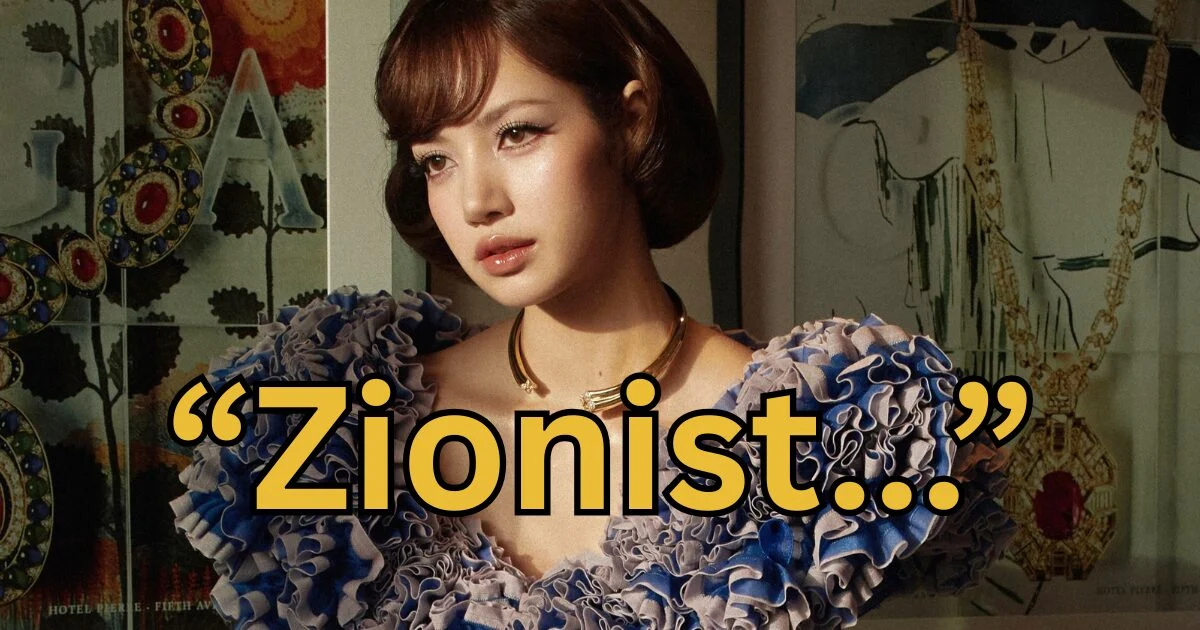
The announcement of BLACKPINK member Lisa’s upcoming single, titled "Tarantino," has sparked a polarized reaction across social media platforms, highlighting a growing tension between the K-pop idol’s artistic direction and the heightened sociopolitical scrutiny of her global fanbase. Scheduled for release on October 23, 2026, the track has become a flashpoint for critics who are questioning the singer’s creative choices, personal associations, and the perceived stagnation of her musical output.
The controversy erupted almost immediately after the official LLOUD social media accounts shared a teaser for the song on October 14, 2026. While many fans expressed excitement for the new material, a substantial segment of the online community redirected the discourse toward the song’s title and the cultural implications surrounding the director it references.
Chronology of the Controversy
The sequence of events leading to the current backlash began with the formal promotion of the "Tarantino" project. As a solo artist operating under her own label, LLOUD, Lisa has sought to differentiate her brand from her roots in YG Entertainment. However, the announcement of the track title triggered an immediate wave of criticism on platforms such as X (formerly Twitter).
Observers quickly drew parallels between the song’s name and filmmaker Quentin Tarantino, who has long been a polarizing figure in Hollywood due to his controversial use of racial slurs in his scripts and alleged problematic public stances. Critics of the song title argued that by invoking the name, Lisa was inadvertently aligning herself with a figure many deem objectionable.

This criticism did not exist in a vacuum; it was bolstered by historical grievances cited by users regarding Lisa’s previous public associations. Specifically, critics pointed to her past rumored romantic connections to individuals they characterized as "Zionist," weaving a narrative that suggests a pattern of insensitivity toward global geopolitical concerns. The backlash intensified as users shared screenshots and links, creating a feedback loop of negative sentiment that overshadowed the musicality of the teaser itself.
Analysis of Fan Discontent and Artistic Stagnation
Beyond the ideological criticisms, a segment of the backlash focused on the artistic integrity of the work. Some long-term followers of Lisa’s solo career have begun to voice concerns regarding the perceived lack of evolution in her musical style. Several commentators claimed that the structure of her recent releases mirrors the classic "YG formula"—a term used to describe a specific, repetitive production style associated with the agency where Lisa spent her formative years.
This criticism is particularly poignant given that Lisa recently released a documentary in which she offered insights into the constraints she faced while under her previous management. Critics have seized upon this irony, arguing that despite her efforts to project an image of creative autonomy, the resulting music remains derivative of the very system she claimed to move away from. Comments describing the song as "corny" or comparing its writing quality to "Wattpad" literature reflect a growing impatience among a portion of the fanbase that expected a more significant departure from her earlier, more commercial K-pop sound.
Contextualizing the Socio-Political Scrutiny
The intensity of this backlash is indicative of a broader trend within the K-pop industry, where idols are increasingly held to the same standard of global accountability as Western pop stars. In the current cultural climate, the "parasocial" relationship between idols and fans has shifted; it is no longer enough for an artist to provide entertainment. Fans now demand that their idols reflect specific ethical, political, and social values.
When an artist like Lisa chooses a title associated with a controversial figure, the decision is scrutinized through the lens of intersectional activism. The accusations of "spiritually Zionist" leanings or the association with controversial Hollywood figures are reflective of a fan base that is highly sensitive to the political affiliations of public figures. By choosing a title that inherently carries "baggage," the artist has unintentionally opened the door for these wider discussions, shifting the focus from the track’s melody to the singer’s perceived moral compass.

Industry Implications and Official Responses
As of the time of this report, neither Lisa nor her label, LLOUD, has issued an official statement regarding the specific criticisms leveled against the title or the content of the upcoming single. In the K-pop industry, it is common for agencies to maintain a "no-comment" stance during the initial stages of a controversy, hoping that the focus will naturally revert to the music upon the official release.
However, the persistence of these negative trends suggests that a strategy of silence may carry long-term risks. Industry analysts note that for artists building independent labels, the management of public perception is paramount. Unlike a traditional agency, which has entire departments dedicated to crisis management and brand shielding, an independent artist like Lisa faces a more direct, unfiltered line of fire from their audience.
Data and Market Trends in the K-Pop Solo Market
The move toward solo projects is a hallmark of the current "Chapter 2" phase for many K-pop idols. Data from 2025 and 2026 suggests that while solo debuts often command massive initial engagement, sustaining that momentum requires a balance between brand familiarity and creative growth.
According to music industry tracking metrics, while "Tarantino" has received significant attention—evidenced by the viral nature of the negative discourse—the conversion from "engagement" (clicks, shares, and comments) to "retention" (actual streams and purchases) depends heavily on the reception of the full song. Historical data on controversial music releases indicates that while "hate-watching" or "hate-listening" can initially inflate numbers, long-term chart performance is typically driven by the quality of the production and the artist’s ability to reconnect with their core demographic.
Looking Ahead
As the October 23 release date approaches, all eyes remain on the track. The situation serves as a case study for the modern K-pop idol: an individual caught between the desire to experiment with Western-leaning themes and the rigid expectations of a global audience that is increasingly vocal about their disapproval.

Whether "Tarantino" will ultimately be judged on its musical merits or permanently defined by this early controversy remains to be seen. What is clear, however, is that the era of the "untouchable" idol is waning. In an environment defined by rapid digital dissemination and intense public scrutiny, every creative decision—from the naming of a song to the choice of collaborators—is now part of a larger, ongoing debate about what it means to be a global pop icon in the 21st century.
The upcoming release will likely serve as a barometer for Lisa’s career trajectory. If the music resonates deeply enough to overcome the current discourse, it may prove that artistic output can transcend public relations challenges. If not, the "Tarantino" controversy may be remembered as a pivotal moment where the gap between an artist’s creative vision and their audience’s expectations became too wide to ignore.