Nayara Elvina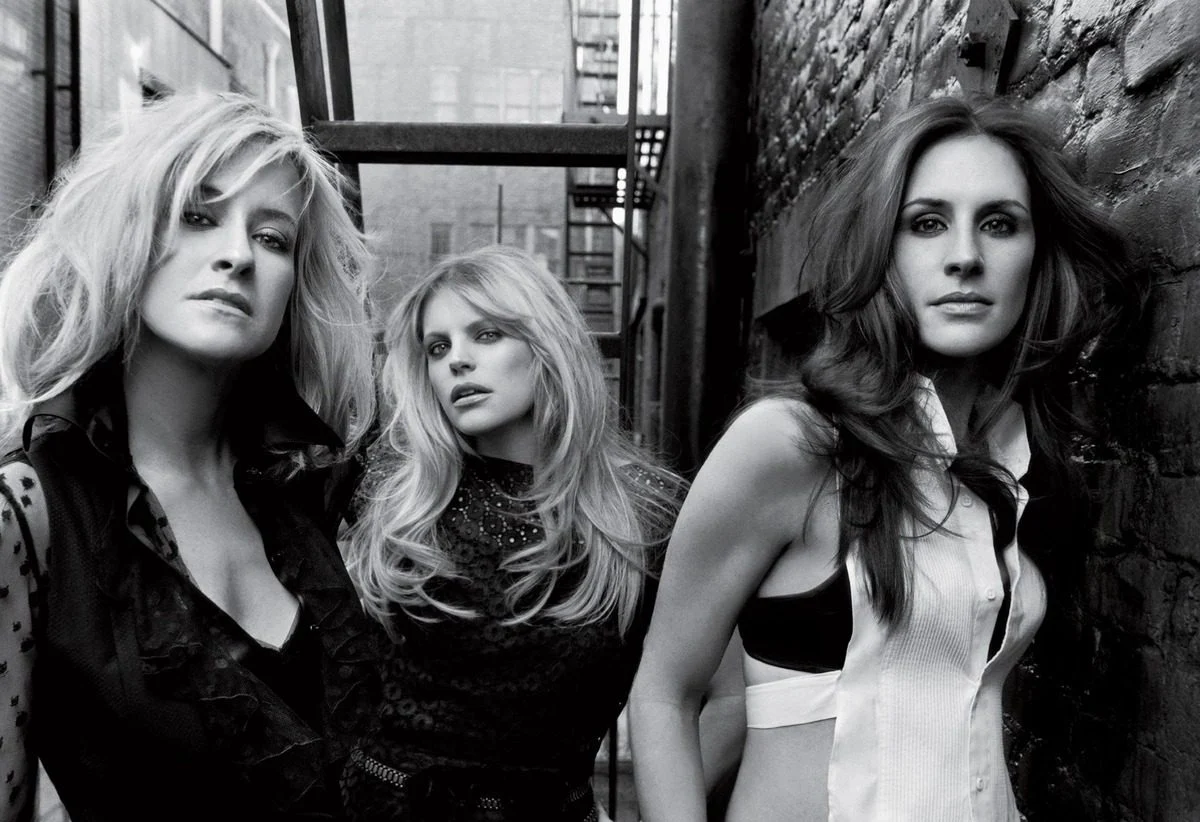
The evolution of political commentary within the realm of country music reflects a broader cultural transformation over the past two decades. In March 2003, during a concert performance in London, Natalie Maines—then the lead vocalist of the prominent country group the Dixie Chicks, now known simply as The Chicks—informed the international audience that the band was ashamed to share a home state with then-President George W. Bush, who had recently initiated the invasion of Iraq. The resulting controversy was immediate, pervasive, and economically damaging to the group, illustrating an era when political dissent from mainstream country artists carried severe commercial penalties.
Fast forward more than two decades, and the landscape of American politics, celebrity engagement, and genre-specific audience demographics has undergone a seismic shift. Modern discourse surrounding the presidency is characterized by heightened polarization, frequent public vitriol, and an expectation that entertainment figures will openly state their partisan affiliations. Maines’ recent remarks regarding the modern political landscape, including public statements concerning former President George W. Bush, former President Barack Obama, and President Donald Trump, underscore how drastically the boundaries of acceptable celebrity political expression have expanded since the early 2000s.
The 2003 London Incident and the Anatomy of a Boycott
To understand the weight of Maines’ original remarks, it is necessary to examine the geopolitical climate of the United States in the spring of 2003. The nation was still within the shadow of the September 11 terrorist attacks of 2001. Public sentiment strongly favored national unity and military intervention in the War on Terror. When Maines told the Shepherd’s Empire crowd in London, “Just so you know, we’re ashamed the President of the United States is from Texas,” the comment was interpreted by a significant portion of the country music fanbase as an affront to American troops and national sovereignty.
The fallout was swift and unprecedented in the modern history of the genre. Country music radio conglomerates across the United States instituted effective blacklists, pulling the group’s chart-topping hits—such as "Landslide," "Cowboy Take Me Away," and "Wide Open Spaces"—from rotation. Fans organized public events to destroy the band’s compact discs and merchandise. Furthermore, band members reported receiving credible death threats, necessitating heightened security measures during subsequent public appearances.
At the time, the country music industry operated on a largely uniform, patriotic consensus where overt criticism of a sitting commander-in-chief, particularly during a foreign military conflict, was viewed as commercial suicide. The Dixie Chicks attempted to issue clarifying statements and apologies, but the damage to their standing within the traditional country establishment was long-lasting, though it ultimately pivoted their career toward a more pop-and-folk-oriented audience that embraced their defiance.
The Changing Tides of Celebrity Activism and the Trump Era
Two decades later, the intersection of celebrity status and political commentary bears little resemblance to the climate of 2003. The rise of social media, coupled with an increasingly fractured media ecosystem, has decentralized the gatekeepers of public opinion. Today, political commentary from public figures is not only common but frequently anticipated by their respective bases of support.
Criticism of Donald Trump, in particular, has become a prominent fixture in the entertainment industry. Unlike the unified condemnation that targeted the Dixie Chicks in 2003, contemporary opposition to conservative leadership often yields professional rewards within Hollywood and mainstream media circles, even if it alienates specific segments of an artist’s consumer base. Conversely, country music as a genre has evolved to accommodate a wider spectrum of political expression, reflecting the broader ideological divisions of the American electorate. Artists on both sides of the political aisle now operate with greater freedom to express partisan viewpoints without facing the uniform institutional blacklisting that defined the post-9/11 era.
Maines herself has continued to utilize digital platforms to air her grievances regarding conservative leadership. Earlier this year, the singer drew significant media attention following an inflammatory post on Instagram directed at President Trump. Her commentary, which featured sharp rhetoric regarding federal policies and governance, highlighted a distinct escalation in tone compared to her measured, albeit controversial, statement in London years prior.
The public response to such statements now rarely resembles the coordinated boycotts of the past. Instead, modern political commentary typically generates a familiar cycle of digital outrage, partisan reinforcement, and brief media amplification, followed by a return to normal business operations for the artists involved.
Official Responses and Counter-Rhetoric
The modern political arena is also characterized by direct, unmediated communication between public figures and political institutions, often facilitated by digital media networks. Following Maines’ social media commentary earlier this year, the response from the executive branch was equally unfiltered. Representatives for the administration issued statements characterizing the singer’s remarks as symptomatic of intense partisan animosity, utilizing sharp language to dismiss her criticisms.
This exchange exemplifies the contemporary dynamic between political figures and cultural critics. Rather than ignoring celebrity opposition—a traditional public relations strategy designed to avoid amplifying dissenting voices—modern political campaigns and administrations frequently engage directly, leveraging celebrity criticism to energize their own political base and frame opponents as out-of-touch elites.
Revisiting the Past: The 20th Anniversary Tour Revelations
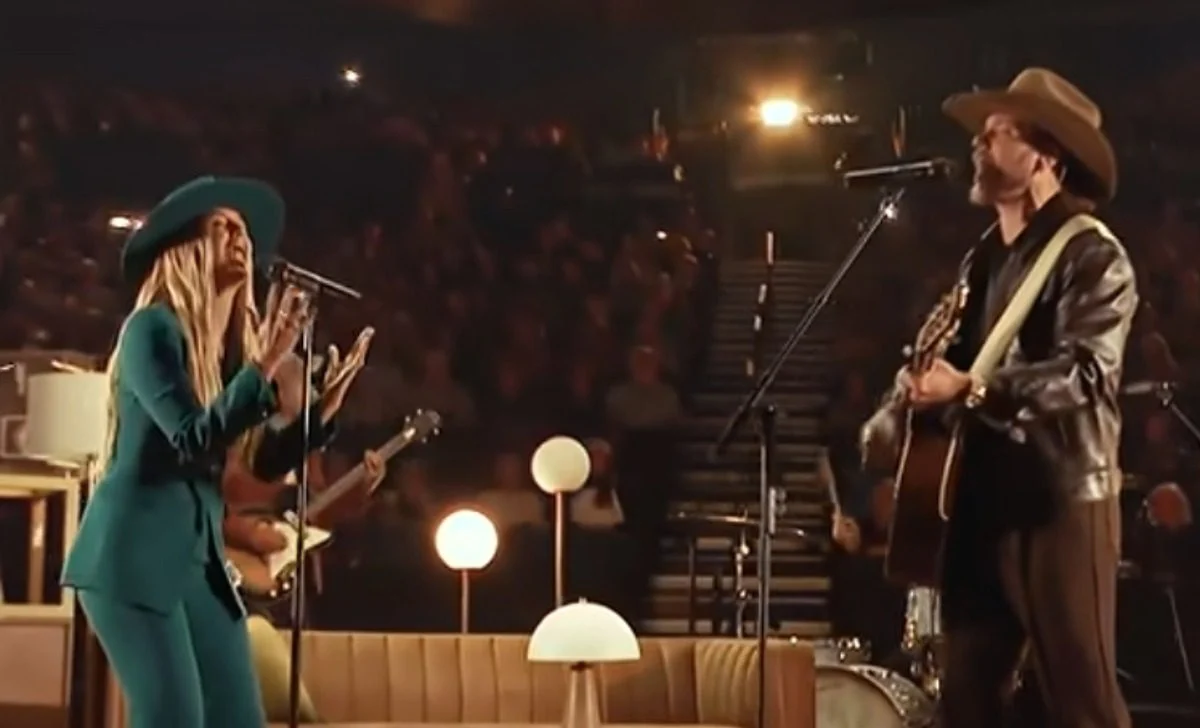
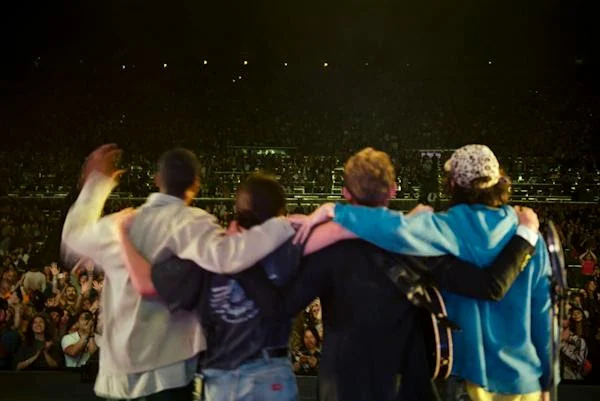
During a recent stop at the Beacon Theatre in New York City as part of their Taking the Long Way 20th Anniversary Tour, Maines and her bandmates addressed the legacy of the 2003 controversy, offering a retrospective assessment that caught many observers by surprise. Reflecting on the severe backlash they faced two decades ago, Maines contextualized those events within the framework of modern political discourse.
"We thought that was the worst it could get," Maines told the audience, referencing the intense public hostility they endured after the London concert. She then offered a striking revision of her stance on the 43rd president: "Now I’d give George Bush a big wet kiss. ‘Cause now we’re ashamed the president of the United States is from the United States."
The statement was met with applause from the concert attendees, illustrating the distinct demographic makeup of their current live audience, which largely skews progressive and urban. During the same performance, Maines contrasted her current frustrations with the administration of former President Barack Obama, praising the 44th president for what she described as positive contributions to the nation, while dismissing current political leadership in harsh terms.
Sociological Implications and Future Outlook
The evolution of Natalie Maines’ public rhetoric from 2003 to the present day serves as a case study in the shifting boundaries of American political discourse. Several key sociological and media trends underlie this transformation:
- Normalization of Partisan Vitriol: The language used by public figures in political debates has grown increasingly uninhibited. Statements that once caused career-threatening crises are now integrated into the standard cycle of celebrity commentary.
- Fragmentation of Fan Bases: Cultural industries no longer rely on a centralized media apparatus to dictate acceptable behavior. Artists can afford to alienate specific geographic or demographic segments of their audience because niche markets and ideological silos provide alternative, sustainable avenues for commercial success.
- Institutional and Executive Engagement: Political figures no longer maintain a formal distance from cultural critics. Direct digital engagement allows for rapid-fire rebuttals, transforming cultural disagreements into immediate partisan flashpoints.
Ultimately, the reception—or lack thereof—to Maines’ recent remarks demonstrates that the structural penalties for political dissent in the entertainment industry have eroded. While the country music genre remains ideologically diverse, the mechanisms of public accountability have shifted from coordinated commercial blacklists to decentralized digital debates. As American politics continues to navigate an era of high polarization, the intersection of music and political advocacy will likely remain volatile, with artists continuing to test the limits of public discourse without facing the systemic consequences seen at the dawn of the 21st century.