 Aveline Kirana
The Mizmorim Chamber Music Festival, a cornerstone of the cultural landscape in Basel, Switzerland, has officially unveiled its program for the 2027 season, scheduled to take place from January 27 through January 31. Renowned for its thematic depth and academic rigor, the festival has carved out a unique niche by focusing its upcoming edition on the profound and expansive history of Jewish violin music. While the festival’s broader programming explores the intersections of Jewish cultural heritage and European classical traditions, the vocal performances stand out as a highlight of the 2027 lineup, showcasing the versatility of contemporary and historical vocal literature.
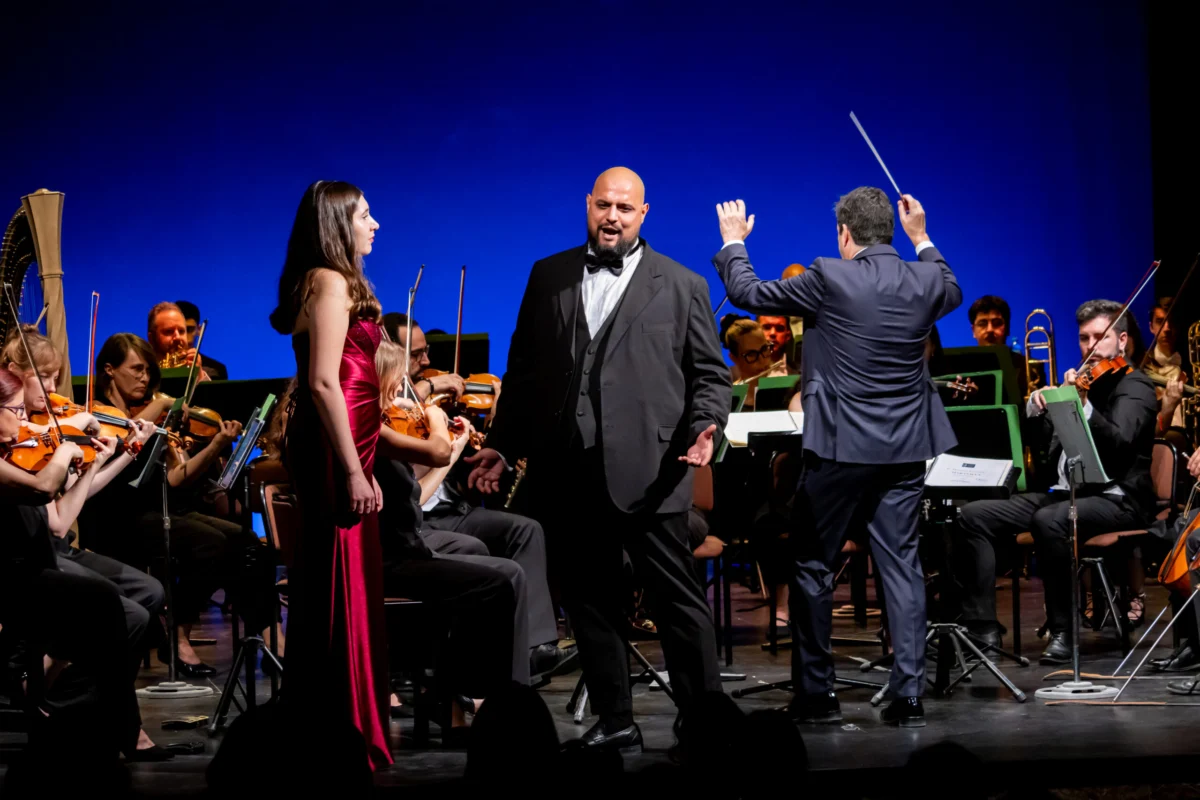
Central to the vocal program is the appearance of soprano Anna Juniki, who will headline a series of performances on January 29. Her participation underscores the festival’s commitment to presenting challenging, diverse repertoires that bridge the gap between early 20th-century compositions and avant-garde contemporary works.
A Chronology of the 2027 Mizmorim Festival
The festival is structured to provide an immersive experience for attendees, with a tight five-day schedule that emphasizes thematic cohesion. The opening days, beginning January 27, are slated to feature historical investigations into Jewish violin traditions, tracing the evolution of the instrument’s role in liturgical and secular music across the diaspora.
By January 29, the festival pivots toward its vocal offerings. Anna Juniki’s performances on this date are expected to serve as a centerpiece of the festival, featuring a cross-section of composers whose work is deeply tied to the themes of exile, resilience, and musical innovation. The chronology of the festival is designed to build momentum, starting with foundational violin works and culminating in broader interdisciplinary performances that incorporate voice, chamber strings, and piano.
Repertoire Analysis and Artistic Collaborations
The program selected for the January 29 vocal concert represents an ambitious synthesis of musical styles. Anna Juniki, recognized for her technical precision and interpretive depth, will be navigating a challenging selection of works by Kaija Saariaho, György Ligeti, Viktor Ullmann, and Robert Schumann.
The inclusion of Viktor Ullmann is particularly resonant within the context of the Mizmorim festival. A composer whose life and work were tragically truncated by the Holocaust, Ullmann’s music remains a vital pillar of the Jewish classical tradition. His presence on the program honors the festival’s mandate to preserve and celebrate works that might otherwise be marginalized. Pairing Ullmann with György Ligeti—another composer whose Jewish heritage and experiences with the trauma of the 20th century informed his output—provides a cohesive narrative thread regarding the endurance of the human spirit through art.

The inclusion of Kaija Saariaho, a titan of contemporary music, brings the program into the 21st century. Saariaho’s intricate textures and ethereal vocal writing require a high degree of collaborative synergy, which will be facilitated by the supporting ensemble. Juniki will be accompanied by an esteemed group of musicians, including pianist Benedek Horváth, violinists Dmitry Smirnov and Ronny Spiegel, violist Guy Ben-Ziony, and cellist Rafael Rosenfeld. The participation of such high-caliber instrumentalists reflects the festival’s reputation for fostering top-tier chamber music collaborations.
Supporting Data and Cultural Context
The Mizmorim Chamber Music Festival has operated in Basel for several years, gradually establishing itself as a vital European hub for Jewish musical exploration. The festival’s model is predicated on the idea that music acts as a historical record. By analyzing the data surrounding the festival’s previous attendance and programming, one observes a steady increase in international interest, particularly from musicologists and enthusiasts of historical chamber music.
The decision to focus on the violin for 2027 is a deliberate nod to the instrument’s historical significance in Jewish culture. The violin has long been a voice of the Jewish diaspora, used in both the intimate setting of the shtetl and the grand concert halls of Western Europe. By isolating this focus, the festival allows for a more granular exploration of how Jewish composers and performers influenced the development of classical technique and expression.
Perspectives on the Festival’s Mission
While the festival organizers have not issued a formal press statement, the programming choices serve as a clear manifesto. The curation indicates a commitment to "re-discovery." In the field of classical music, the "forgotten" composers of the early 20th century are increasingly being brought into the light, and Mizmorim plays a critical role in this ecosystem.
Industry observers suggest that the inclusion of Robert Schumann alongside Jewish composers offers a necessary contrast. Schumann, a giant of the Romantic era, provides a standard of European classicism against which the other works can be measured. This juxtaposition is an analytical tool; it invites the audience to consider how Jewish composers interacted with, modified, or reacted to the dominant Romantic tradition. The pedagogical value of this approach is immense, as it positions the Jewish musical experience not as an isolated phenomenon, but as a central, integrated component of Western music history.
The Broader Impact on the Basel Music Scene
The impact of the Mizmorim festival extends beyond the concert hall. As Basel continues to solidify its status as a European cultural capital, the presence of festivals that engage with specific, historically significant themes enhances the city’s international profile.
The 2027 edition is expected to attract a diverse audience, ranging from students at the Basel Academy of Music to international collectors and scholars. The economic and cultural footprint of the festival is significant; by concentrating its programming into a five-day intensive, it encourages "cultural tourism," where visitors spend their time immersed in the local scene, attending workshops, lectures, and evening concerts.

Furthermore, the logistical complexity of organizing chamber music at this level—requiring precise coordination between international soloists and local ensembles—demonstrates the robust infrastructure of the Basel classical music scene. The success of the festival in previous years suggests that there is a sustainable demand for high-brow, conceptually dense programming that resists the trend toward more populist, lighter repertoire.
Implications for Future Programming
Looking ahead, the 2027 program sets a precedent for how the Mizmorim festival might continue to operate. By successfully integrating contemporary vocal music with historical violin literature, the festival proves that its audience is willing to engage with complex, multi-layered performances.
Future festivals will likely continue to explore the "intersections" of identity and music. As the repertoire of Jewish classical music continues to be digitized and rediscovered by archives worldwide, the festival will have an ever-growing pool of material to draw from. The 2027 program serves as a case study in how to balance academic interest with artistic excellence.
For those planning to attend the January 29 concert, the event represents a rare opportunity to hear a diverse range of works performed by a world-class soprano in an intimate chamber setting. The concert is not merely a performance; it is a synthesis of historical inquiry and modern vocal technique. As the festival prepares for its January 27 launch, the anticipation among the musical community in Basel and beyond continues to grow, marking the event as one of the most significant highlights of the 2027 winter season.
In summary, the Mizmorim Chamber Music Festival’s 2027 program is a testament to the power of thematic programming. By focusing on the violin while simultaneously highlighting the vocal work of figures like Ullmann, Ligeti, and Saariaho, the festival reinforces its commitment to its core mission: to honor the past while challenging the future of classical music performance. The combination of professional rigor, historical significance, and top-tier collaborative talent ensures that the 2027 edition will remain a key reference point for chamber music enthusiasts for years to come.