 Aveline Kirana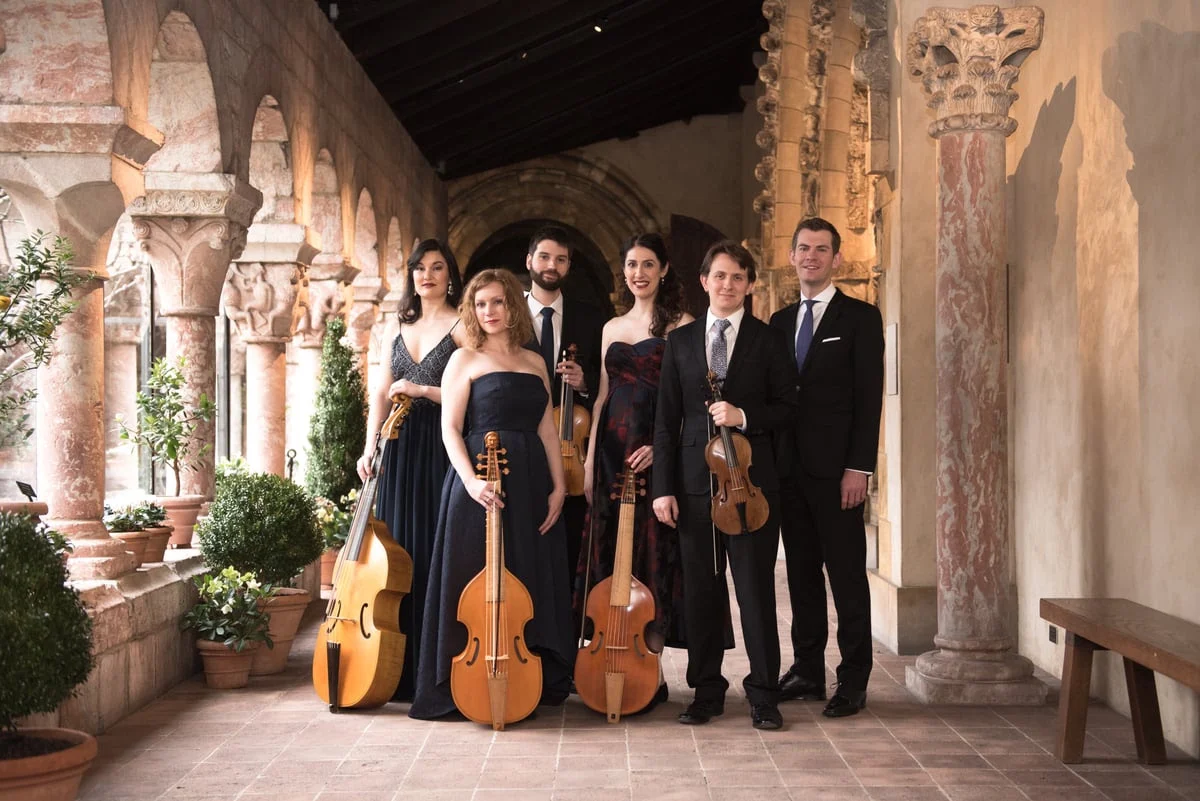
The early music ensemble Sonnambula is set to unveil a significant recovery in the history of Baroque composition, announcing the modern premiere of four previously unperformed airs by the acclaimed 17th-century composer Élisabeth Jacquet de La Guerre. This performance, scheduled for November 19 at St. Paul’s Chapel at Columbia University, represents the culmination of a rigorous musicological effort to reclaim works that have remained dormant for over three centuries. These pieces, originally composed for the court of King Louis XIV at Versailles, were unearthed following the Morgan Library & Museum’s 2022 acquisition of a rare 1712 treatise titled "Les Amusemens de Monseigneur le Duc de Bretagne."
The project is spearheaded by Elizabeth Weinfield, a distinguished musicology professor at The Juilliard School and the artistic director of Sonnambula. Upon learning of the Morgan Library’s acquisition, Weinfield conducted an exhaustive examination of the manuscript, identifying the airs as a forgotten component of the educational curriculum designed for the young great-grandson of the Sun King.
A Chronology of Discovery and Recovery
The path to this modern premiere began in the early 18th century. In 1712, "Les Amusemens de Monseigneur le Duc de Bretagne" was compiled as a pedagogical tool intended to facilitate the education of royal children through music and structured play. Élisabeth Jacquet de La Guerre, already a fixture of the French court, was commissioned to provide musical accompaniment for these courtly educational games. Following their publication, the music fell into obscurity, disappearing from the standard repertoire and remaining unrecorded and unstudied by modern scholars until the manuscript surfaced at the Morgan Library & Museum more than 300 years later.
The sequence of events leading to the November premiere reflects a growing trend in musicology: the systematic digitization and institutional acquisition of rare manuscripts, followed by the rigorous collaborative efforts of performers and historians. Following the acquisition in 2022, Weinfield’s research validated the authorship and historical context of the airs, setting the stage for a public unveiling. To facilitate broader discourse on the significance of these works, Columbia University’s Maison Française will host a panel discussion on November 18, one day prior to the concert. The panel, moderated by leading experts, will include Weinfield, Robinson McClellan—Curator of Music Manuscripts and Printed Music at the Morgan Library—and scholars Susan Boynton, Anne Higonnet, and Rebecca Cypess.
The Historical Significance of Élisabeth Jacquet de La Guerre
Élisabeth Jacquet de La Guerre (1665–1729) occupies a singular position in the canon of Baroque music. A child prodigy who performed for Louis XIV at the age of five, she later became one of the few women of her era to establish a successful career as a composer and harpsichordist in France. Her output spanned various forms, including operas, cantatas, and instrumental suites, yet her legacy has long been obscured by the gendered biases that defined music historiography for centuries.
Her ability to navigate the volatile political and social currents of the Versailles court was not merely a matter of artistic talent; it was an exercise in strategic navigation. Unlike many of her contemporaries, she managed to secure royal patronage and maintain a professional standing that garnered respect from peers and critics alike. The discovery of the four airs provides a clearer picture of how her work integrated into the daily life and education of the royal family, highlighting her versatility as a composer capable of crafting music that was both sophisticated and functional for pedagogical purposes.
The Performance Program and Artistic Collaboration
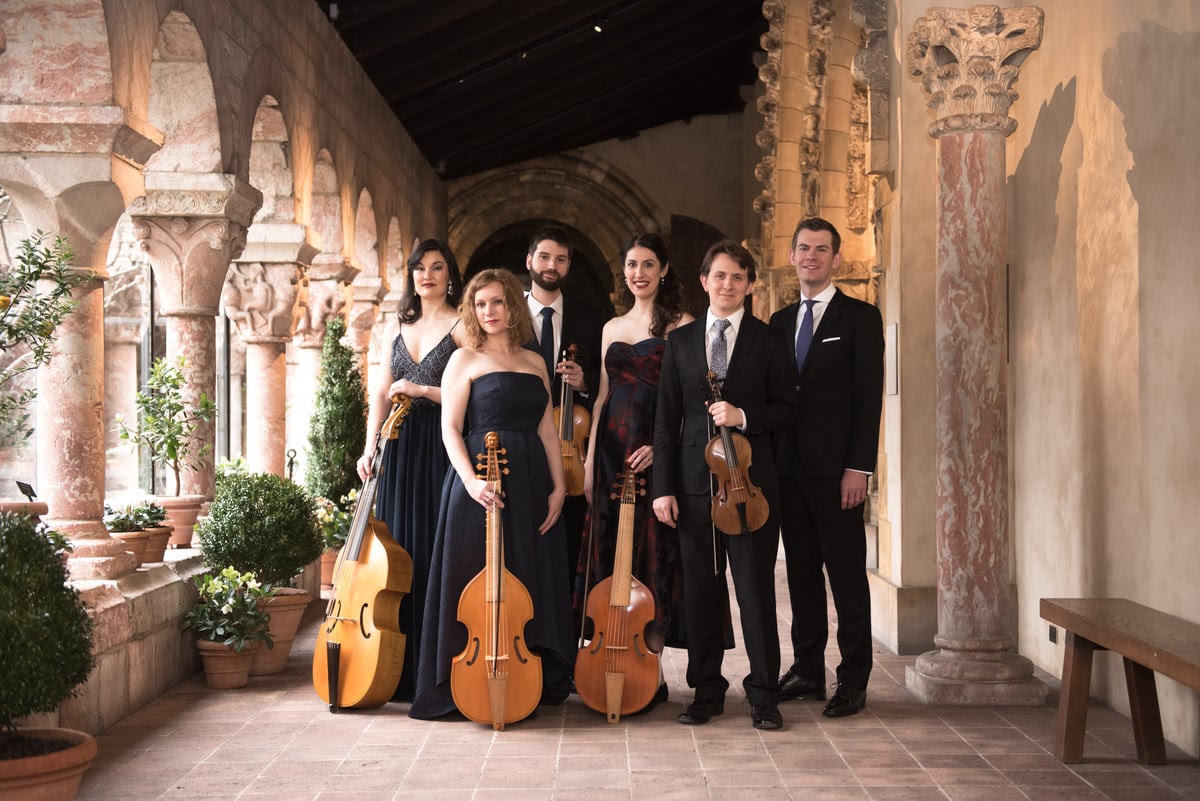
The concert at St. Paul’s Chapel will feature the Sonnambula ensemble, led by Weinfield on the viola da gamba. The performance aims to contextualize the rediscovered airs within the broader soundscape of the French Baroque. To that end, the program will feature compositions by some of the most influential figures of the period, including Marin Marais, François Couperin, and Michel Richard Delalande.
Joining the ensemble for this performance is mezzo-soprano Chloe Holgate, whose interpretation of the airs is expected to bring a new vocal dimension to the instrumental-heavy repertoire of the period. Furthermore, the program will bridge the historical with the contemporary through the world premiere of a new work by composer Stephen Anthony Weinfield, underscoring Sonnambula’s commitment to expanding the early music repertoire through both historical recovery and modern commission.
Institutional and Scholarly Perspectives
The decision to feature the works of Jacquet de La Guerre is part of a broader institutional shift in the classical music world. For decades, the "masculine narrative" of Western music history—which prioritized male composers while relegated female contributors to the periphery—has been subject to increasing scrutiny. Elizabeth Weinfield’s remarks regarding the premiere reflect this critical shift.
"Élisabeth Jacquet de La Guerre is a fascinating woman—a composer of the highest caliber, she was also navigating the highly competitive, constantly shifting boundaries of the Versailles court, and did so while garnering respect," Weinfield noted in an official statement. She further emphasized the importance of the discovery, stating, "Discoveries like this shift the cultural needle and disrupt masculine narratives that have dominated early music history for far too long, and we are so excited to be bringing her music to life for modern audiences."
The involvement of the Morgan Library & Museum and the scholars at Columbia University indicates a robust, multi-disciplinary approach to the project. By involving experts in music manuscripts, art history, and cultural studies, the organizers aim to ensure that the premiere is treated as both a cultural event and an academic milestone.
Broader Implications for Early Music Research
The rediscovery and performance of these four airs carry several implications for the future of early music scholarship:
- Pedagogical Re-evaluation: The existence of music specifically commissioned for "courtly educational games" challenges the notion that Baroque court music was solely intended for entertainment or religious ritual. It suggests a more integrated role for music in the intellectual development of the French aristocracy.
- Archival Accessibility: The role of the Morgan Library & Museum in identifying and making these manuscripts available demonstrates the critical importance of public-access archives. Without such institutions, the likelihood of these works remaining in private collections or unidentified in catalogs would be significantly higher.
- Gendered Canon Expansion: As more works by women of the 17th and 18th centuries are brought into the light, the necessity for a revised, more inclusive canon becomes apparent. The success of this project could serve as a model for other ensembles and musicologists looking to identify and perform works by under-represented figures in the classical canon.
Conclusion
The premiere on November 19 serves as a bridge between the 18th-century court of Versailles and the modern concert hall. By pairing the newly discovered airs of Élisabeth Jacquet de La Guerre with works by her contemporaries and new commissions, Sonnambula is fostering a dialogue that spans centuries. As the ensemble prepares for the performance at St. Paul’s Chapel, the event stands as a testament to the enduring power of historical inquiry and the ongoing effort to ensure that the history of music is as diverse and complex as the individuals who composed it. The performance, beginning at 6 p.m. local time, offers a rare opportunity for both the public and the academic community to witness the revival of a lost chapter of Baroque history.