 Reynand Wu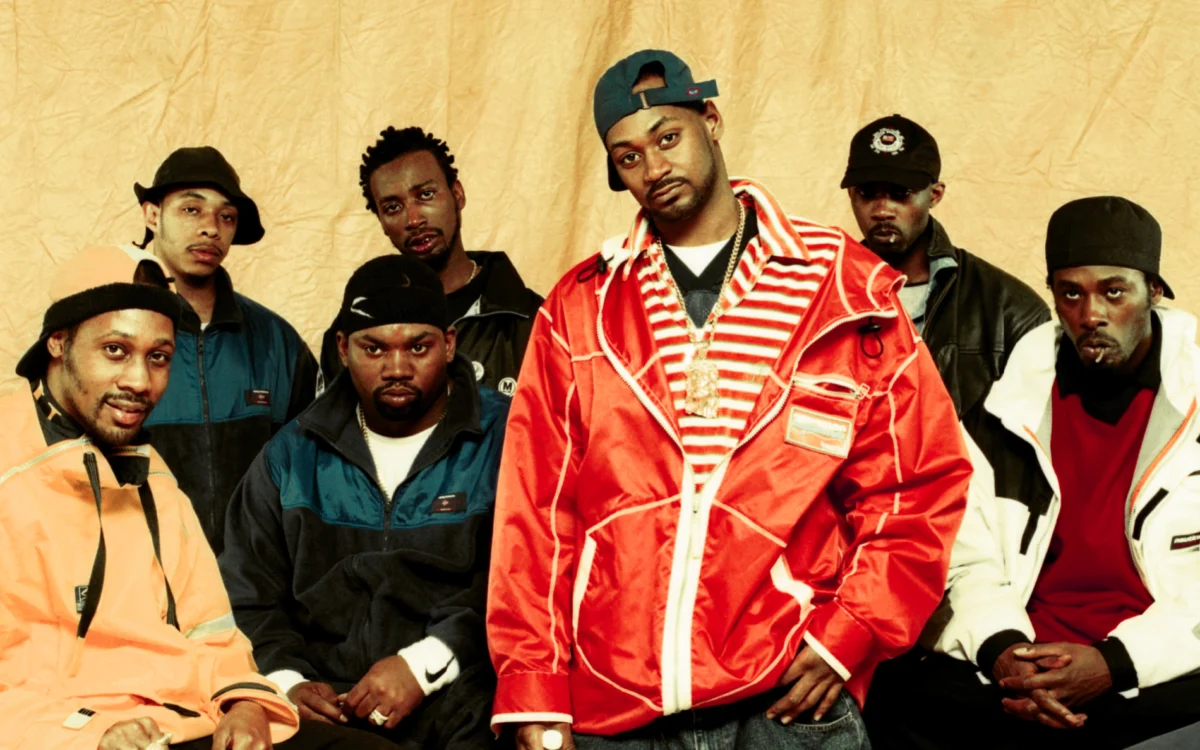
The Rock & Roll Hall of Fame Foundation officially announced its highly anticipated Class of 2026 on Monday, April 13, solidifying the Staten Island-based hip-hop collective Wu-Tang Clan among the pantheon of music’s most influential figures. This induction marks a significant milestone in the institution’s ongoing effort to broaden the definition of rock and roll to encompass the cultural, social, and sonic impact of hip-hop music. The forthcoming ceremony, scheduled for November 14 at the Peacock Theater in Los Angeles, will serve as a global celebration of the group’s three-decade-long legacy.
The 2026 class is notably eclectic, representing a wide spectrum of musical innovation. Alongside the Wu-Tang Clan, the list of performers includes soul legend Luther Vandross, the Nigerian-born musical polymath Sade, British rock icons Oasis, metal pioneers Iron Maiden, legendary drummer and songwriter Phil Collins, punk-rock rebel Billy Idol, and the seminal post-punk collective Joy Division/New Order. Additionally, the Hall of Fame has recognized the foundational contributions of rap icons Queen Latifah and MC Lyte, both of whom will be honored with the "Early Influence" award, an accolade reserved for artists who significantly shaped the development of modern music.
A Chronology of Hip-Hop’s Integration into the Hall
The journey of hip-hop into the Rock & Roll Hall of Fame has been a gradual, deliberate process that mirrors the genre’s evolution from a burgeoning New York City subculture to the dominant global music form. The inclusion of the Wu-Tang Clan brings the total number of hip-hop acts honored by the institution to 18, a figure that has steadily climbed over the last two decades.
The barrier was first broken in 2007 when Grandmaster Flash and the Furious Five were inducted, validating the genre’s technical and cultural legitimacy. Following this, the Hall of Fame saw a periodic influx of hip-hop legends: Run-DMC (2009), the Beastie Boys (2012), Public Enemy (2013), and N.W.A (2016). In more recent years, the velocity of these inductions has increased, reflecting a concerted effort by the nominating committee to address historical omissions. The inductees now include icons such as 2Pac, The Notorious B.I.G., JAY-Z, Eminem, Missy Elliott, and A Tribe Called Quest, among others.
This year, the induction process involved a rigorous evaluation by an international voting body comprised of more than 1,200 artists, music historians, and industry professionals. The list of nominees was extensive, and while the Wu-Tang Clan successfully secured their place, other high-profile contenders—including Lauryn Hill, Mariah Carey, and Shakira—did not garner sufficient votes for the 2026 class. This underscores the competitive nature of the nomination process and the specific criteria the voting body uses to define "influence" and "lasting impact."
The Cultural Significance of the Wu-Tang Clan
Formed in the early 1990s, the Wu-Tang Clan—consisting of RZA, GZA, Method Man, Raekwon, Ghostface Killah, Inspectah Deck, U-God, Masta Killa, and the late Ol’ Dirty Bastard—fundamentally altered the trajectory of hip-hop. Their debut album, Enter the Wu-Tang (36 Chambers), released in 1993, introduced a gritty, minimalist aesthetic rooted in martial arts cinema, chess philosophy, and the stark reality of urban life in New York.
Beyond their musical output, the group pioneered a unique business model. By negotiating individual solo deals for each member while maintaining the collective brand, they exerted unprecedented control over their intellectual property. This model not only paved the way for future artists to retain ownership of their creative work but also turned the "Wu-Tang" brand into a global enterprise spanning fashion, technology, and literature. Their induction is as much an acknowledgment of their entrepreneurial savvy as it is their lyrical prowess.
Official Reactions and Industry Sentiment
The announcement has elicited profound responses from the members of the collective, many of whom viewed the recognition as the culmination of a lifelong dedication to their craft. RZA, the group’s de facto leader and producer, expressed his gratitude via social media shortly after the announcement. "In all humility, this announcement filled me with joy, proudness, profound achievement, and awe," he stated. "I’m grateful to all my brothers and those who helped us on the path. Thank you, Rock & Roll Hall of Fame. This is a true Triumph—Wu-Tang Forever."
Raekwon, another cornerstone of the group’s sound, framed the induction in the context of personal and professional validation. "History books will know this club! This is my Grammy. What are we talking about?" he remarked. GZA emphasized the communal aspect of the group’s journey, stating, "We couldn’t have reached this milestone without our hip-hop predecessors, fans, collaborators, friends, and family. We thank you."
These sentiments reflect a broader consensus within the music industry that the Wu-Tang Clan’s influence extends far beyond the charts. Their ability to fuse complex, metaphorical storytelling with a distinct, uncompromising sound has made them a subject of academic study and a foundational influence on generations of artists across various genres.
Analysis of the "Early Influence" Category
The recognition of Queen Latifah and MC Lyte as "Early Influence" award recipients highlights the Hall of Fame’s commitment to acknowledging the women who built the framework for modern rap. Queen Latifah, whose work in the late 1980s and early 1990s bridged the gap between social commentary, feminist empowerment, and commercial success, remains one of the most versatile figures in entertainment. MC Lyte, arguably the first female rapper to release a full-length studio album as a solo artist, provided a blueprint for lyrical technicality that influenced countless successors.
The decision to honor these women separately from the primary performance category recognizes that their impact was formative—essential to the genre’s growth before it achieved mainstream ubiquity. It acknowledges that the "Rock & Roll" history is incomplete without the contributions of those who established the foundational aesthetics and ethics of the culture.
Broader Impact and Future Implications
The induction of the Wu-Tang Clan and the accompanying honorees into the Rock & Roll Hall of Fame carries significant implications for the music industry. First, it serves as a continued validation of hip-hop as a primary American art form that possesses the same historical and cultural weight as rock, blues, and jazz. By housing these artists within the same institution, the Hall of Fame effectively creates a unified archive of the 20th and 21st centuries’ most transformative musical movements.
Second, the ceremony, which will be broadcast on ABC and Disney+ in December, ensures that the group’s legacy is introduced to a new generation of listeners. For a group that emerged from the underground, this formal recognition by an establishment body acts as a "seal of approval" that can often catalyze renewed interest in their catalog, leading to increased archival projects, documentaries, and retrospective exhibitions.
Furthermore, the diversity of the 2026 class—spanning from the electronic textures of New Order to the soulful arrangements of Luther Vandross and the lyrical intensity of the Wu-Tang Clan—suggests that the Hall of Fame is moving toward a more inclusive definition of "Rock & Roll." This shift is likely to continue, as the eligibility window for artists who gained prominence in the late 1990s and early 2000s continues to open.
As the music industry looks toward the November ceremony at the Peacock Theater, the discourse remains centered on the enduring power of the Wu-Tang Clan. Their transition from the streets of Staten Island to the hallowed halls of musical history is a testament to the persistence of artistic vision. For a collective that once proclaimed they were "for the children," their induction serves as a definitive statement: their influence is permanent, their story is essential, and their impact on the American musical landscape is indelible.