 Aveline Kirana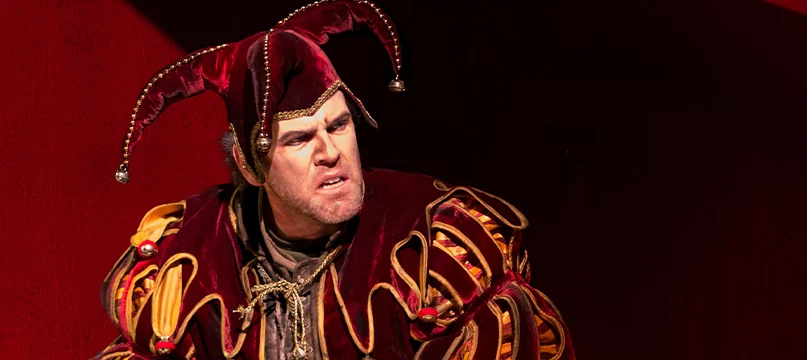
The Pittsburgh Opera has officially announced that Giuseppe Verdi’s operatic masterpiece, Rigoletto, will return to the Benedum Center for the Performing Arts this October, marking the production’s first appearance in the city in 14 years. This highly anticipated revival, scheduled to run from October 10 through October 16, 2026, represents a significant milestone in the company’s ongoing mission to bring core pillars of the Italian operatic repertoire to local audiences. Under the directorial vision of Tomer Zvulun and the musical leadership of conductor Antony Walker, the production promises a rigorous exploration of one of the most psychologically complex works in the Western canon.
A Historic Return to the Benedum Center
Rigoletto, which premiered in Venice in 1851, remains one of the most frequently performed operas globally. Its absence from the Pittsburgh Opera stage for over a decade underscores the complexity of mounting such a large-scale production. The Benedum Center, a historic venue in the heart of Pittsburgh’s Cultural District, provides the acoustic and visual scale required to capture the grandeur of the Duke of Mantua’s court and the gritty, claustrophobic atmosphere of the assassin Sparafucile’s quarters.
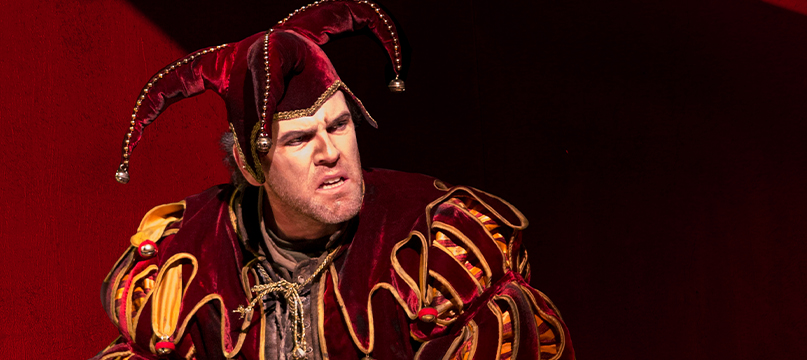
Tomer Zvulun, known for his ability to translate the emotional turbulence of 19th-century works into modern, relatable visual languages, has been tapped to helm this production. His approach to the material is expected to highlight the tragic arc of the titular character—the cynical court jester caught between his professional obligations and his desperate, protective love for his daughter, Gilda. The return of this work is not merely a scheduling choice but a strategic investment in maintaining the vitality of traditional opera in the Pittsburgh region.
The Artistic Ensemble: A Cast of Distinction
The success of any Rigoletto production rests heavily on the strength of its lead trio, and the Pittsburgh Opera has assembled a cast designed to handle the taxing vocal and dramatic requirements of Verdi’s score. Sebastian Catana will step into the title role of Rigoletto, bringing years of international experience in the Verdian repertoire to the Benedum stage. Catana’s familiarity with the nuance of the jester’s character—from his mocking exterior to his crushing internal despair—is central to the production’s promise of authenticity.
Opposite him, Daniel O’Hearn will portray the Duke of Mantua, a character who serves as the engine of the opera’s moral decay. His interpretation will be balanced by Susanne Burgess, who takes on the role of Gilda. Burgess’s challenge lies in depicting Gilda’s transition from an sheltered, innocent girl to a woman who makes the ultimate sacrifice for a man who has betrayed her.
The supporting cast is equally critical to the narrative’s tension. Maire Therese Carmack is set to perform as Maddalena, providing the necessary vocal and dramatic contrast to Gilda, while Peter Volpe will inhabit the dark, chilling persona of the assassin Sparafucile. The ensemble is rounded out by an extensive roster of vocal talent, including Jason Budd, Logan Wagner, Drew Comer, Maya Davis, Ayanna Delk-Lewis, Léa Nayak, and Erik Nordstrom, all of whom contribute to the intricate social fabric of the Duke’s court.
Chronology and Production Context
The history of Rigoletto in Pittsburgh is reflective of broader trends in the American opera scene. Historically, the work has served as a staple for regional companies due to its accessible melodies—most notably the aria "La donna è mobile"—and its tight, effective dramatic structure. The 14-year hiatus in Pittsburgh has allowed the company to refresh its approach, ensuring that when the curtain rises on October 10, 2026, the interpretation reflects contemporary sensibilities regarding power, gender dynamics, and the psychological weight of the protagonist.
The timeline for the 2026 season is part of a broader organizational push by the Pittsburgh Opera to leverage its infrastructure in the Cultural District. By scheduling the production for a week-long run, the company aims to maximize attendance, accommodating both long-time subscribers and newer audiences who may be seeing this seminal work for the first time.
Musical Significance and Conductor’s Role
Antony Walker’s presence on the podium is a critical component of the upcoming performances. As a conductor deeply embedded in the stylistic traditions of Italian opera, Walker is tasked with managing the balance between the orchestral force of Verdi’s writing and the delicate, exposed vocal lines of the singers. Rigoletto requires a conductor who can navigate the swift transitions from the lighthearted, jaunty music of the court to the dark, stormy, and ominous soundscapes that characterize the final act.
Verdi’s orchestration in this work was revolutionary for its time, moving away from the conventional "oom-pah" accompaniments of his earlier works to a more integrated, character-driven style. Under Walker’s baton, the Pittsburgh Opera Orchestra will be expected to emphasize these innovative textures, ensuring that the music functions as a narrative character in its own right.
The Broader Impact on the Cultural District
The revival of Rigoletto serves as a bellwether for the health of the performing arts in Pittsburgh. Large-scale, traditional operas require significant financial investment, involving elaborate period sets, costumes, and a large orchestra and chorus. The decision to commit these resources to a known commodity like Rigoletto suggests a strategic focus on audience engagement and the stabilization of the operatic canon in the post-pandemic era.
Furthermore, the production is expected to have a tangible economic impact on the downtown area. As an anchor institution in the Cultural District, the Pittsburgh Opera’s performances consistently drive traffic to surrounding restaurants, hospitality businesses, and retail outlets. The six-day run provides an extended window for economic activity, highlighting the role of the arts as a key driver of the city’s urban renewal and economic vitality.
Analysis: Why Rigoletto Matters in 2026
The enduring power of Rigoletto lies in its refusal to offer simple moral clarity. It is a story about the intersection of personal morality and systemic corruption. In the current cultural landscape, where issues of institutional power and individual agency are frequently debated, the opera remains strikingly relevant. Rigoletto, the court jester, is both a perpetrator of the Duke’s cruel jokes and a victim of his own inability to protect those he loves. This duality makes the character one of the most demanding and rewarding roles in the baritone repertoire.
From an analytical standpoint, the production serves to introduce new generations to the complexities of 19th-century opera. By staging the work with high-caliber vocalists and a modern directorial eye, the Pittsburgh Opera is positioning itself to remain competitive with other major national companies that are similarly re-examining the "Big Five" of the operatic canon. The choice to produce this work reflects a balance between tradition and innovation—keeping the core of the music intact while potentially updating the visual staging to resonate with a 2026 audience.
Looking Ahead to Opening Night
As the October 10, 2026, opening night approaches, the logistical preparations at the Benedum Center are intensifying. The coordination required for such a large-scale production—involving staging, technical rehearsals, and the integration of a massive cast—demands a high degree of precision. The Pittsburgh Opera has signaled that this will be one of the highlights of their season, drawing on the collaborative efforts of local staff, international guest artists, and the support of the community.
For opera enthusiasts, the 14-year wait is nearing its conclusion. The return of Verdi’s tragedy is a testament to the resilience of the art form and the commitment of the Pittsburgh Opera to its audience. Whether through the soaring melodies of the first act or the devastating emotional climax of the finale, Rigoletto is poised to remind local theater-goers why this work has remained a fixture of the operatic world for over 175 years.
Tickets for the upcoming performances are expected to be in high demand, as the company prepares for a week of programming that celebrates one of the greatest compositions in history. By bridging the past and the future of the company, the 2026 presentation of Rigoletto stands as a defining moment in the current artistic trajectory of the Pittsburgh Opera. Through this production, the company is not just honoring a classic; it is reaffirming the enduring importance of grand opera in a modern, evolving city.