 Muhammad Ibadurrohman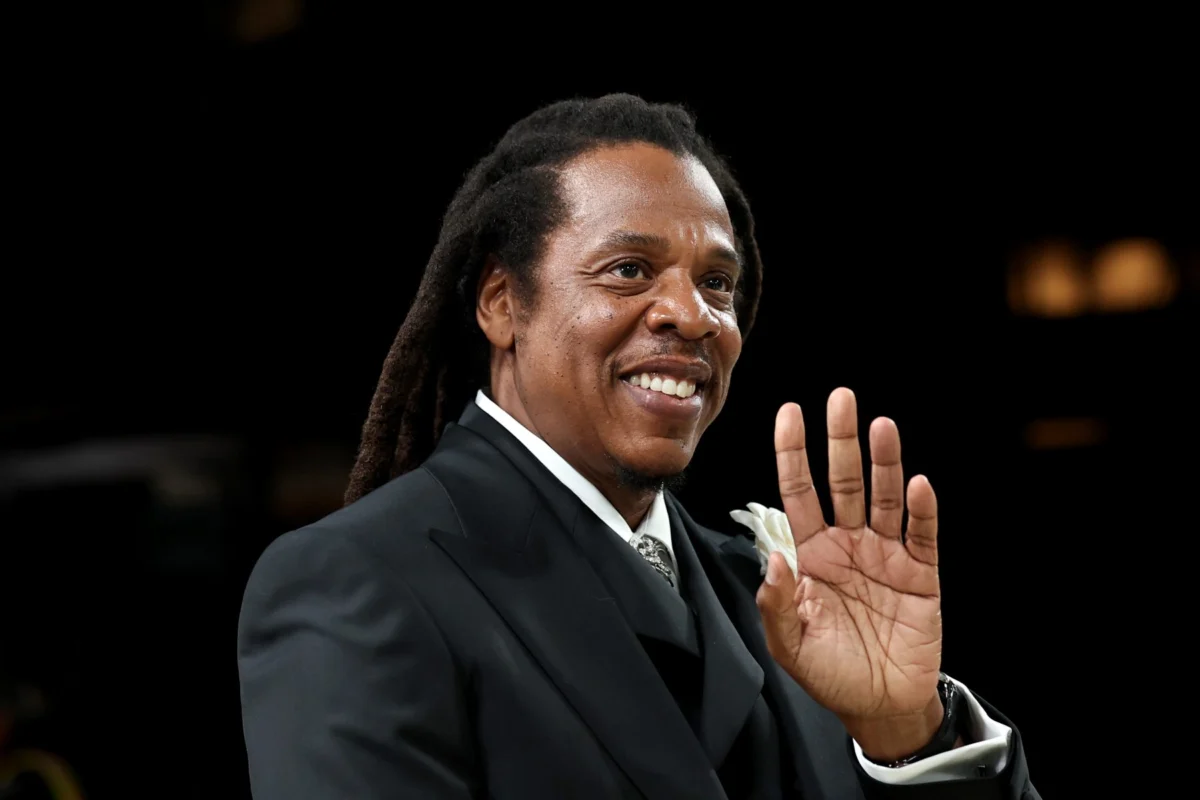
A California appellate panel has issued a procedural order that could fundamentally alter the trajectory of a high-stakes legal battle involving music mogul Jay-Z. While the court formally denied the artist’s petition to rehear an appeal regarding his extortion lawsuit against attorney Tony Buzbee, the judges included a critical caveat: the lower trial court retains the inherent authority to revisit the case in light of “explosive new evidence.” This decision marks the latest chapter in a volatile legal saga that began with a grave sexual assault allegation and has devolved into a complex counter-suit over claims of defamation, extortion, and legal malpractice.
The Chronology of the Dispute
The controversy traces back to December 2024, when attorney Tony Buzbee filed a civil complaint on behalf of an anonymous Jane Doe. The lawsuit alleged that in 2000, following an MTV Video Music Awards after-party, Jay-Z and entertainment executive Sean “Diddy” Combs drugged and sexually assaulted the plaintiff, who was a teenager at the time.
The response from Jay-Z, whose legal name is Shawn Carter, was immediate and aggressive. He publicly categorized the accusations as a "blackmail attempt" and initiated a defamation and extortion lawsuit against Buzbee and his firm. Carter’s legal team argued that the allegations were not only fabricated but were part of a coordinated effort to extract a financial settlement from the billionaire entrepreneur.
For months, the case moved through the Los Angeles Superior Court system. In 2025, a trial judge dismissed Carter’s extortion lawsuit, finding insufficient evidence that Buzbee had knowingly filed a false claim or acted with malicious intent to extort the star. This dismissal was subsequently upheld by a state appeals court last month. However, the legal landscape shifted dramatically two weeks later when the Jane Doe accuser provided a sworn declaration fully recanting her allegations. In her statement, the accuser claimed her initial story was “false,” cited personal mental health challenges, and alleged that her former legal counsel had pursued the case with a lack of professional due diligence.
The Appeals Court’s Narrow Ruling
The recent decision by the three-judge panel on October 1 underscores the limitations of appellate review. Under California law, appellate courts are generally restricted to the administrative record established at the trial level and are typically barred from considering new evidence that was not presented to the original judge.
Carter’s legal team, led by Jeremy Rosen, had pushed for an exception, characterizing the accuser’s recantation as "extraordinary" and essential for justice. The appeals court, however, remained firm in its procedural boundaries, refusing to rehear the case based on the new declaration. Yet, in a move that signals potential future litigation, the panel added a specific provision to its order: "Our decision shall not prevent the trial court from ordering discovery and reconsidering its prior ruling based on any new evidence, should that court deem it appropriate."
This language effectively functions as a procedural "green light" for Carter’s team to return to the Superior Court and request a stay of the dismissal, arguing that the foundation of the original judgment—the validity of the rape claim—has been dismantled by the accuser’s own admission.
Perspectives from Legal Counsel
The reaction from the involved parties highlights the divergent interpretations of the appellate order. Tony Buzbee’s legal representatives have sought to frame the decision as a victory for their side, emphasizing the denial of the rehearing. In a formal statement, counsel for Buzbee noted that the court denied the request without even soliciting a response from their side. They maintained that the trial court’s original ruling, which may eventually lead to a motion for Carter to cover Buzbee’s legal fees, remains intact and enforceable.

Conversely, Jeremy Rosen, representing Shawn Carter, expressed optimism regarding the path forward. "We are pleased that the Court of Appeal has invited us to ask the Superior Court to order discovery and reconsider its prior ruling based on the recent declaration from Ms. Doe," Rosen stated. "We intend to proceed with that application as soon as jurisdiction is returned to the Superior Court."
Implications for Civil Litigation and Defamation Law
The broader implications of this case extend well beyond the individuals involved. The litigation highlights the risks inherent in high-profile civil suits where allegations are leveled against public figures. Legal experts note that the case touches upon the delicate balance between the right to access the court system to report potential abuse and the protection of individuals against what they perceive as malicious or meritless legal claims.
The fact that the original rape claim was dropped by the plaintiff and subsequently recanted raises significant questions about the due diligence required by legal practitioners when filing sensitive, high-impact lawsuits. If the trial court does choose to reopen the extortion case, the proceedings will likely focus on the standard of "actual malice" and whether the attorneys involved conducted sufficient investigation before filing the initial 2024 complaint.
Supporting Data and Statistical Context
In the landscape of civil litigation, motions to revive dismissed cases based on "newly discovered evidence" are statistically rare and face a high burden of proof. Under the California Code of Civil Procedure, a party seeking relief from a judgment must demonstrate that the evidence could not have been discovered through reasonable diligence prior to the original trial court’s decision.
Carter’s legal team is expected to argue that the accuser’s recantation is a "material change in circumstances" that renders the previous dismissal of the extortion claim an injustice. Should the lower court agree to reopen discovery, the process would likely involve depositions of the accuser, her former legal team, and potentially other individuals present at the 2000 event, effectively turning the extortion trial into a comprehensive examination of the credibility of the original assault claims.
Future Outlook
The case is now set to return to the Superior Court, where the defense and plaintiff teams will once again lock horns. The primary battleground will be the motion to reconsider the previous dismissal. If the trial judge grants the request for discovery, the proceedings could extend for many more months, if not years, given the complexity of the evidentiary requirements.
For Jay-Z, the objective remains clear: to clear his name of the extortion allegations and to expose what he contends was a predatory and false legal strategy used against him. For the legal community, the outcome will serve as a bellwether for how courts manage the intersection of "Me Too" era advocacy and the strict evidentiary standards required to maintain a defamation or extortion suit.
As the case moves back to the trial level, the spotlight remains firmly on the integrity of the initial filing process and the weight that a recantation carries in the eyes of the court. Whether the trial judge will find the new evidence sufficient to overcome the previous judicial findings remains the pivotal question in a case that continues to captivate both the legal and entertainment worlds.