 Nayara Elvina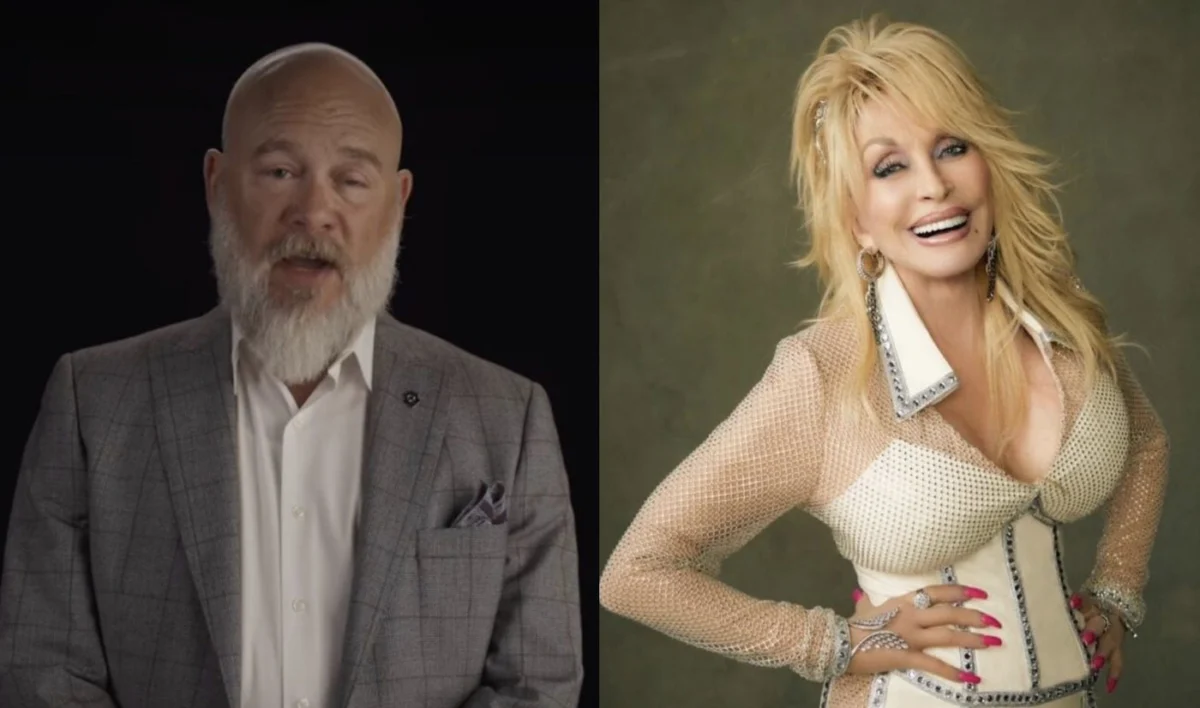
The legal dispute between the estate of the late country music icon Dolly Parton and her nephew, Bryan Seaver, has hit a temporary procedural pause. Davidson County Chancery Court Judge I’Ashea Myles has formally granted a motion to postpone an upcoming injunction hearing, offering both sides additional time to solidify their legal strategies in a case that has rapidly escalated from internal family friction into a high-stakes corporate and legal confrontation.
The controversy centers on allegations of intimidation, threats, and corporate interference launched by She’s Alive LLC—the management entity overseeing Parton’s extensive estate—against Seaver, who formerly served as the head of security for the legendary singer. While the restraining order currently remains active, the postponement shifts the next major courtroom showdown to later this month, providing a brief window of stability as both parties prepare for what promises to be a protracted legal contest.
Background and Origins of the Dispute
The rift between the Parton estate and Seaver emerged in the wake of the country legend’s passing. Seaver, who had previously been tasked with overseeing security operations for the estate, was publicly thrust into the spotlight on August 25, when he formally announced Parton’s death via a video broadcast on her official social media channels.
Shortly after this announcement, Danny Nozell, Parton’s longtime manager and the principal operator of She’s Alive LLC, moved to terminate Seaver and his private security firm from their positions. The professional separation quickly devolved into acute animosity. She’s Alive LLC subsequently initiated legal action in the Davidson County Chancery Court, seeking and securing a temporary restraining order against Seaver.
According to court filings submitted by the estate, Seaver allegedly embarked on a calculated campaign of coercion and harassment directed at management and legal representatives. The estate’s complaint highlights several aggressive text messages and emails in which Seaver purportedly threatened to undermine the commercial infrastructure surrounding Parton’s legacy, including disparaging remarks regarding the commercial viability of the Dollywood brand and warnings of potential exposés targeting business partners.
Chronology of Key Events
The timeline of the conflict reveals a rapid escalation from private grievances to formal litigation:
- August 25: Bryan Seaver publicly announces the death of Dolly Parton on her official social media platforms.
- Late August: Danny Nozell and She’s Alive LLC officially terminate Seaver and his company as the head of security for the estate. Friction immediately mounts over operational control and estate management.
- September 3: Seaver transmits an email to Parton’s longtime entertainment attorney, referencing his military background, international contracting history, and asserting his protective role over the late singer.
- September 23: Davidson County Chancery Court Judge I’Ashea Myles grants the estate’s application for a temporary restraining order against Seaver and his company.
- September 29: The estate officially posts the required bond, causing the temporary restraining order to legally take effect.
- October 1-2: Summonses are formally returned to the court, and Bryan Seaver files a pro se motion for a ten-day continuance of the initial injunction hearing.
- October 9: The date originally scheduled for the injunction hearing, which has now been successfully postponed.
- October 13: Deadline established for Seaver to formally file his response to the estate’s underlying complaint.
- October 16: Deadline designated for any counter-replies from the estate’s legal representation.
- October 20: The newly rescheduled date for the contested temporary restraining order hearing before Judge Myles.
The Legal Arguments and Defense Statements
In the wake of the lawsuit’s public disclosure, Seaver offered a public defense through statements provided to media outlets, maintaining that his communications had been stripped of their proper context. Acknowledging his background as a military contractor and security professional—and confirming his use of aggressive rhetoric—Seaver characterized the exchanges as private, emotional venting between individuals experiencing profound grief. He asserted that terms such as "killer" and references to his tactical background were long-standing, informal jocularities utilized within Parton’s inner circle rather than genuine threats of violence.
Despite these assertions, the estate’s legal counsel strongly resisted Seaver’s initial bid for a hearing delay. Attorneys for She’s Alive LLC argued that Seaver had actively obstructed the judicial process by evading service of process when the lawsuit was initially filed, pointing to alleged physical barriers erected at his residence. Furthermore, the estate’s representatives presented prior correspondence from August wherein Seaver allegedly threatened aggressive legal maneuvers against vendors associated with the estate, casting doubt on claims that he was unable to secure timely legal representation.
Judicial Rationale and Procedural Adjustments
In her ruling on the motion for a continuance, Judge Myles based her decision primarily on procedural technicalities rather than the substantive merits of the underlying dispute. Specifically, the court noted that a delay by the estate in posting the required bond meant the temporary restraining order did not take legal effect until September 29. Consequently, the truncated window between the effective date of the order and the originally scheduled October 9 hearing justified a brief extension to guarantee due process.
Furthermore, Judge Myles addressed the corporate dimensions of the lawsuit. While Seaver was initially permitted to file motions pro se—representing himself as an individual—Tennessee jurisprudence strictly mandates that corporate entities cannot appear in court unrepresented. As a result, Seaver’s security firm was required to retain licensed counsel to participate in the proceedings.
Recent Developments and Legal Representation
The logistical hurdles regarding legal representation appear to have been resolved following the court’s ruling. On the afternoon following the judge’s decision, prominent Nashville attorney Nick Leonardo formally entered an appearance on behalf of both Seaver individually and his corporate security entity. Leonardo, a former judge recognized for his extensive litigation experience within the local legal community, is expected to spearhead Seaver’s defense as the case proceeds.
Under the revised scheduling order, the temporary restraining order remains fully enforceable, prohibiting Seaver and his associated corporate entities from interfering with estate operations, accessing designated estate properties, or coming within 1,000 feet of estate personnel. Seaver’s formal legal response to the complaint is mandated for submission by October 13, followed by any responsive filings from the estate by October 16, leading directly into the evidentiary hearing on October 20.
Broader Implications for Celebrity Estates and Brand Management
The ongoing legal confrontation highlights the complex vulnerabilities faced by high-profile celebrity estates immediately following the death of an iconic figure. The intersection of personal grief, institutional management, and multi-million-dollar commercial enterprises frequently generates high-pressure environments where interpersonal conflicts can quickly spill over into the public domain.
For entities like She’s Alive LLC, maintaining absolute operational continuity and protecting intellectual property and brand partnerships are paramount priorities. Incidents involving former insiders voicing grievances publicly—regardless of whether those expressions are interpreted as literal threats or intemperate venting—pose distinct public relations and security challenges.
As the litigation proceeds in the Davidson County Chancery Court, the primary focus will remain on whether the temporary restraining order should be converted into a permanent injunction. The resolution of this matter will likely set a decisive precedent regarding the control of estate assets, the enforcement of non-interference measures, and the legal boundaries governing communications between former associates and estate executors in the wake of high-profile cultural losses.