 Reynand Wu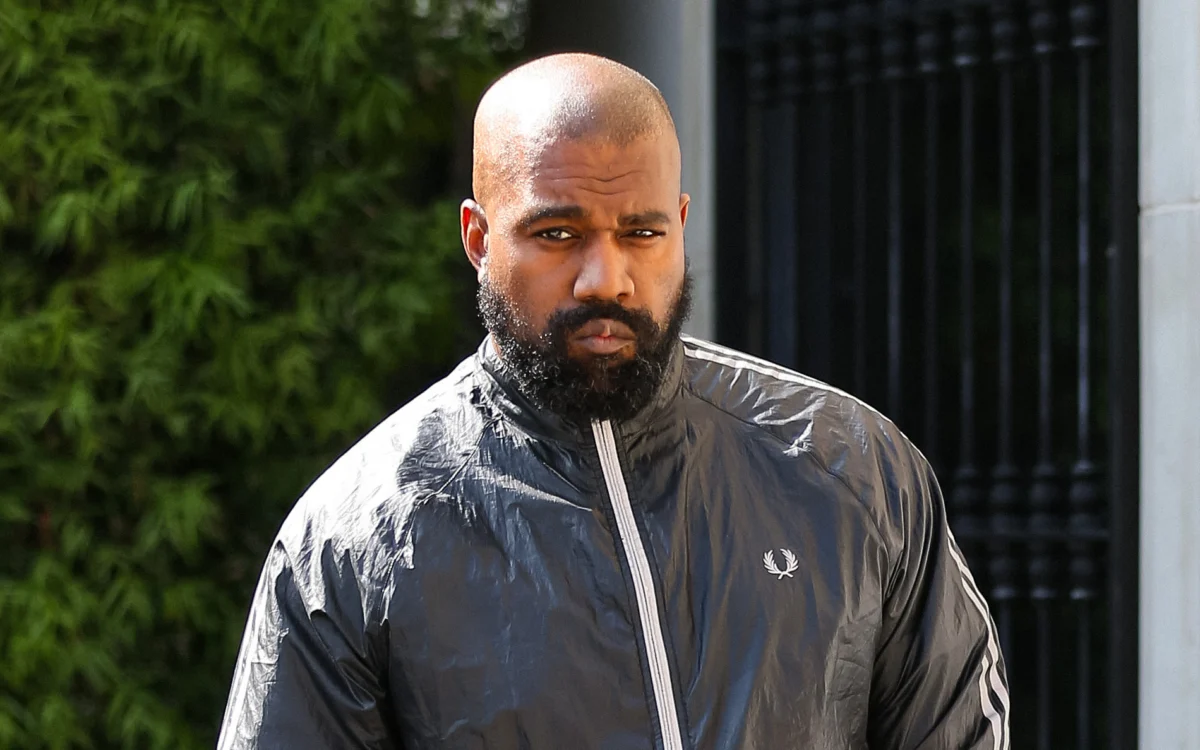
The London-based Wireless Festival, a cornerstone of the United Kingdom’s summer music calendar, has officially been canceled following the British Home Office’s decision to deny entry to the event’s sole headliner, Kanye West, who now performs under the name Ye. The cancellation, announced on Tuesday, April 7, marks a significant moment in the intersection of international border policy and the accountability of global entertainment figures. The Home Office’s rejection of West’s Electronic Travel Authorisation (ETA) application on Monday, April 6, effectively brought the multi-day festival to a complete halt, as organizers confirmed that all ticket holders will receive automatic full refunds.
The Sequence of Events: A Rapid Deterioration
The lead-up to the cancellation was marked by a swift escalation of public and political pressure. While West was slated to headline all three nights of the festival—July 10, 11, and 12—the booking became a flashpoint for intense scrutiny almost immediately after it was announced.
By early April, the pressure against the festival organizers, Festival Republic, had reached a critical threshold. Major corporate sponsors, including Pepsi, PayPal, and the spirits giant Diageo, publicly severed ties with the event. These withdrawals were not merely symbolic; they represented a significant loss of capital and institutional support for a festival that relies heavily on brand partnerships to sustain its large-scale operations.
The backlash was further intensified by remarks from UK Prime Minister Sir Keir Starmer, who described the decision to feature West as "deeply concerning." This intervention by the head of government underscored the gravity of the situation, shifting the discourse from a debate about artistic freedom to one concerning national values and public order. The Home Office eventually formalised this stance, citing that West’s entry would not be "conducive to the public good."
Background: The Contentious Path to the Ban
The controversy surrounding West stems from a series of high-profile, antisemitic, and pro-Nazi statements made by the artist over the past several years. These comments have resulted in a significant erosion of his public standing, leading to the loss of major commercial partnerships, talent agency representation, and access to various platforms.
In response to the mounting pressure in the UK, West issued a statement on the morning of April 7, attempting to pivot the narrative. He expressed a desire to "present a show of change" and suggested that his performances were intended to foster "unity, peace and love." Furthermore, in an attempt to mitigate the backlash, West offered to meet with members of the British Jewish community in person to engage in a dialogue.
The response from advocacy groups was swift and firm. The Board of Deputies of British Jews issued a statement clarifying their position: "We are willing to meet Kanye West as part of his journey of healing, but only after he agrees not to play the Wireless Festival this year." This condition highlighted a clear divide: for many, the gesture of "healing" was perceived as insufficient if it remained untethered from a tangible change in professional behavior or a rejection of previous rhetoric.
The Defense of Artistic Platforming
Prior to the government’s intervention, Melvin Benn, the managing director of Festival Republic, had mounted a staunch defense of the booking. Benn’s argument was centered on the distinction between an artist’s personal views and the consumption of their commercial output.
"What Ye has said in the past about Jews and Hitler is as abhorrent to me," Benn stated in a press release. "Ye’s music is played on commercial radio stations in this country. It is available via live streams and downloads in this country without comment or vitriol from anyone and he has a legal right to come into the country and to perform."
Benn further emphasized a philosophy of redemption, adding, "Forgiveness and giving people a second chance are becoming a lost virtue in this ever-increasing divisive world." Despite this perspective, the commercial reality—characterized by the exodus of sponsors and the threat of widespread public protests—rendered the logistical viability of the festival impossible once the government signaled its intent to block the artist’s travel.
Broader Implications for the Music Industry
The cancellation of Wireless Festival serves as a definitive case study in the modern era of "consequence culture" within the music industry. It highlights how the power dynamic between artists, promoters, and corporate stakeholders has shifted. Historically, a promoter’s primary concern was ticket sales and production logistics. Today, those factors are increasingly outweighed by the reputational risks associated with an artist’s public conduct.
The decision by the Home Office to deny an ETA based on the "public good" provides a clear legal precedent. In the UK, the Home Office retains the right to refuse entry to individuals whose conduct or presence is deemed contrary to the public interest. While this power is traditionally reserved for matters of national security or criminal history, its application here demonstrates a broadening of the criteria to include public behavior and social impact.
For the music industry, this development suggests that international touring is becoming more complex for artists who carry significant social baggage. Promoters are now forced to conduct a deeper "risk assessment" that extends beyond an artist’s current chart performance to include their potential for generating civil unrest or corporate liability.
Comparative Context: Domestic vs. International Reception
The situation in the UK contrasts sharply with West’s reception in the United States. While West has faced intense social media criticism and a decline in his general marketability, he has continued to perform in major American venues. Most recently, he held two sold-out shows at the SoFi Stadium in Los Angeles, promoting his latest album, Bully.
During these U.S. concerts, West was joined by prominent industry figures such as Lauryn Hill, Travis Scott, and Don Toliver, suggesting that at least a portion of the American music establishment remains willing to collaborate with him. The discrepancy between his ability to command stadiums in Los Angeles versus his inability to secure entry into the UK underscores the difference in regulatory and social environments. The UK’s immigration framework, which allows for a more centralized evaluation of an individual’s moral and social standing, has proven to be a significant barrier that domestic US laws—which prioritize freedom of expression—do not replicate.
Looking Ahead: The Future of Large-Scale Festivals
The total financial impact of the Wireless Festival cancellation is currently being calculated, but it is expected to be substantial. Beyond the refunding of thousands of tickets, the loss of sponsorship revenue and the overhead costs of pre-production create a significant fiscal deficit.
For the festival industry, the takeaway is clear: the era of "music over message" is being challenged by a consumer and corporate base that demands alignment with social standards. The cancellation of such a high-profile event sets a new standard for how festivals will approach controversial bookings in the future. Promoters are likely to exercise greater caution, and it is probable that we will see more stringent moral clauses inserted into artist performance contracts.
As for Kanye West, the incident highlights a growing isolation from the international touring circuit. If his ability to move across borders continues to be hindered by his public persona, the reach of his artistic platform may become increasingly confined to territories with fewer legal or social restrictions on his presence. The "journey of healing" he proposed remains in its infancy, and until there is a tangible reconciliation with the communities he has alienated, his international career remains in a state of profound uncertainty.