 Nana Wu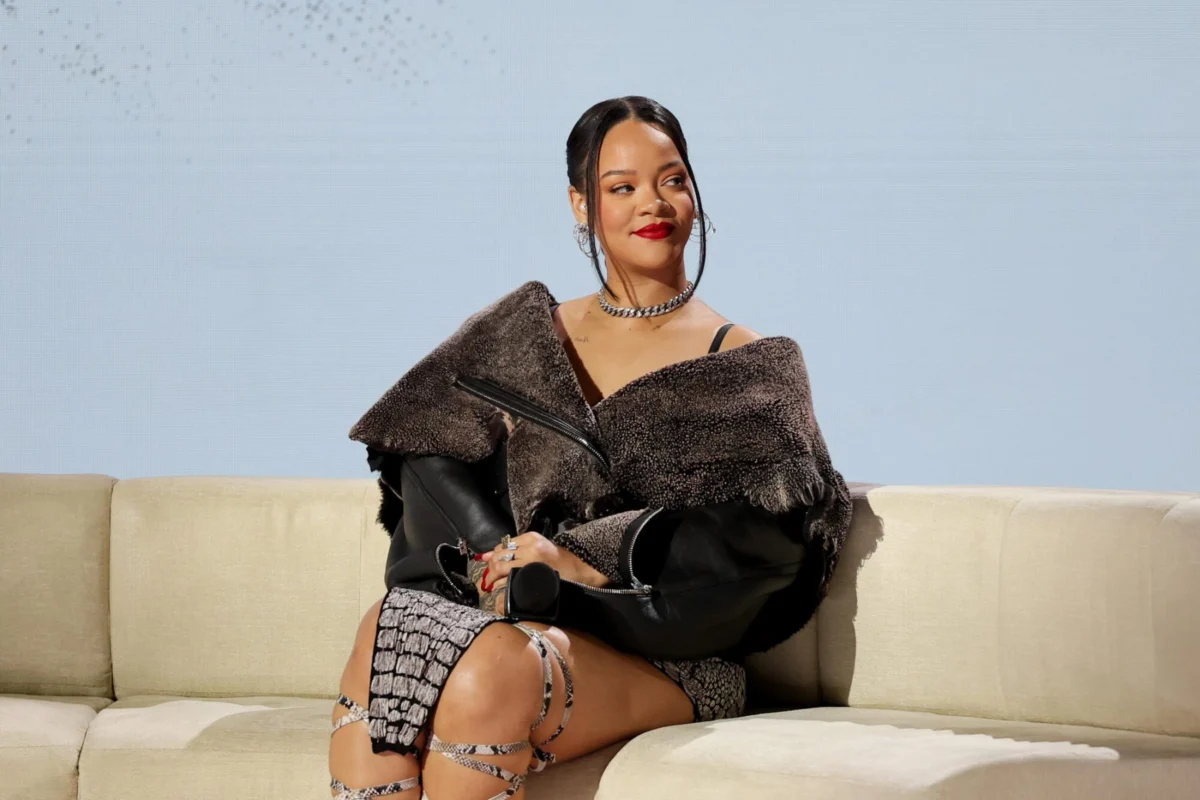
The convergence of global pop culture and reality television reached a high-visibility peak on September 30 during a Fenty Beauty promotional event held backstage at an A$AP Rocky concert in Paris. The encounter, which has since circulated widely across digital platforms, featured billionaire entrepreneur and music icon Rihanna alongside Trinity Tatum, the breakout winner of the eighth season of the hit CBS reality series Love Island USA. The interaction provided a unique window into the intersection of high-fashion branding and the burgeoning influence of reality television stars in the modern celebrity ecosystem.
The event, hosted by Fenty Beauty, served as a strategic marketing activation during the European leg of A$AP Rocky’s current tour. As the rapper continues to promote his January album, Don’t Be Dumb—which reached the summit of the Billboard 200—the presence of his partner, Rihanna, underscored the brand’s ongoing integration with music and touring culture.
Chronology of the Interaction
The exchange began when Tatum, who secured victory on Love Island USA in July alongside partner Bryce Alakai, approached the Fenty founder. Video documentation of the meeting depicts a candid reaction from Rihanna, who visibly expressed surprise and excitement, gesturing with her hands and momentarily turning away before engaging in an extended embrace with the reality star.
Tatum later shared the footage on social media, accompanying the clip with the caption: "When THE fashion icon herself loves you as much as you love her (I’m still screaming right now btw)." The post, which was subsequently amplified by the official Fenty Beauty Instagram account via their Stories, highlighted the reciprocal nature of the "fan-girling" moment. For the brand, the engagement serves as a testament to the efficacy of influencer marketing, leveraging the massive, highly engaged audiences that reality stars like Tatum command in the post-broadcast era of television.
The Evolution of Reality Television and Celebrity Culture
Rihanna’s enthusiastic reception of a Love Island contestant is not an isolated instance of her interest in unscripted television. In a 2024 interview, the singer articulated a clear affinity for the genre, citing Bravo’s The Real Housewives and Vanderpump Rules as primary viewing interests. Her stated obsession with the "Bravo-verse," alongside a vocal appreciation for RuPaul’s Drag Race, positions her as a cultural participant in the same demographic that sustains the popularity of reality programming.
The demographic shift in celebrity status is notable. Reality television stars, once marginalized in traditional media, have become central to the digital marketing strategies of major luxury and beauty conglomerates. By bridging the gap between her status as a global billionaire mogul and her identity as a viewer of mainstream reality television, Rihanna effectively humanizes the Fenty brand, aligning it with the consumption habits of her primary consumer base.
Supporting Data and Market Context
The Fenty Beauty brand, launched by Rihanna in 2017 in partnership with LVMH, has historically relied on a strategy of inclusivity and cultural relevance. Since its inception, the brand has disrupted the beauty industry’s standards for shade ranges and marketing representation. The choice to utilize a reality star such as Tatum—whose audience represents a younger, digitally native cohort—reflects an intentional pivot toward influencer-driven outreach.
According to industry data, the influencer marketing industry is projected to reach approximately $24 billion in valuation by the end of 2024. Within this landscape, reality stars often boast higher engagement rates than traditional A-list celebrities. By hosting an event that places a reality star on an equal footing with the brand’s founder, Fenty Beauty reinforces its position as a "community-first" brand, effectively leveraging the "parasocial" relationships that fans maintain with reality television figures.
Musical Aspirations and Industry Speculation
While the Paris event focused on beauty and fashion, the setting—a concert tour supporting A$AP Rocky’s chart-topping album—reignited long-standing public interest in Rihanna’s musical career. The singer has not released a studio album since the 2016 launch of Anti, a hiatus that has spanned nearly a decade.
In August, A$AP Rocky provided a rare, albeit informal, update regarding his partner’s professional activities during an appearance on The Jason Lee Show. "Yo, she in the studio right now. Yeah, I said it. Sorry, babe," the rapper stated. "Like, bro, she working. She cooking, no funny s—."
While no official release date or title for a new project has been confirmed by Rihanna or her label, Roc Nation, the commentary from within her immediate circle suggests that the transition from beauty mogul back to recording artist may be imminent. This creates a dual-layer marketing environment: the Fenty brand benefits from the current visibility of the couple, while the anticipation for new music keeps Rihanna’s name at the forefront of global entertainment discourse.
Implications of the Viral Encounter
The interaction between Rihanna and Trinity Tatum illustrates a broader trend in the professionalization of reality television fame. Historically, the "fifteen minutes of fame" associated with reality shows has been viewed as fleeting. However, the contemporary landscape allows for sustained, multi-platform careers. By acknowledging and validating Tatum’s status, Rihanna effectively bestowed a level of institutional legitimacy upon the reality star, which in turn enhances the brand’s reputation among Tatum’s followers.
Furthermore, the strategic use of social media to document these "behind-the-scenes" moments serves as a low-cost, high-impact marketing tool. Unlike traditional advertising, which often requires significant capital expenditure, a single viral video of a candid encounter generates organic reach that can be measured in millions of impressions. This approach aligns with the "always-on" nature of modern brand management, where the boundary between personal life and professional endorsement is increasingly porous.
Professional Analysis of Brand Synergy
From a brand management perspective, the alignment between Fenty Beauty and reality television is mathematically sound. Data suggests that the primary consumers of Fenty Beauty products—women aged 18 to 34—overlap significantly with the viewership demographics of Love Island USA. By placing the product in the hands of a current cultural touchstone, the brand avoids the "stiff" nature of traditional corporate endorsements.
The logistical planning behind the Paris meeting—occurring backstage at a concert—also suggests a highly curated approach to public relations. It provides the appearance of spontaneity while ensuring that the visual assets produced are of high quality, consistent with the luxury aesthetic of the Fenty portfolio.
Conclusion
The viral meeting between Rihanna and Trinity Tatum in Paris serves as a case study in contemporary celebrity branding. By leveraging the immense reach of reality television stars and maintaining a presence in the music industry through her partner’s tour, Rihanna continues to navigate the complexities of her dual identity as a business titan and an entertainment icon.
As the public continues to await new music, the singer remains a dominant force in the beauty industry, utilizing strategic, culturally resonant interactions to keep her brand at the center of the conversation. Whether this encounter marks the beginning of a larger campaign or remains a singular moment of celebrity intersection, it underscores the shifting power dynamics of influence in the digital age, where reality stars and global icons share the same stage, the same social platforms, and the same audience.