Johan Budi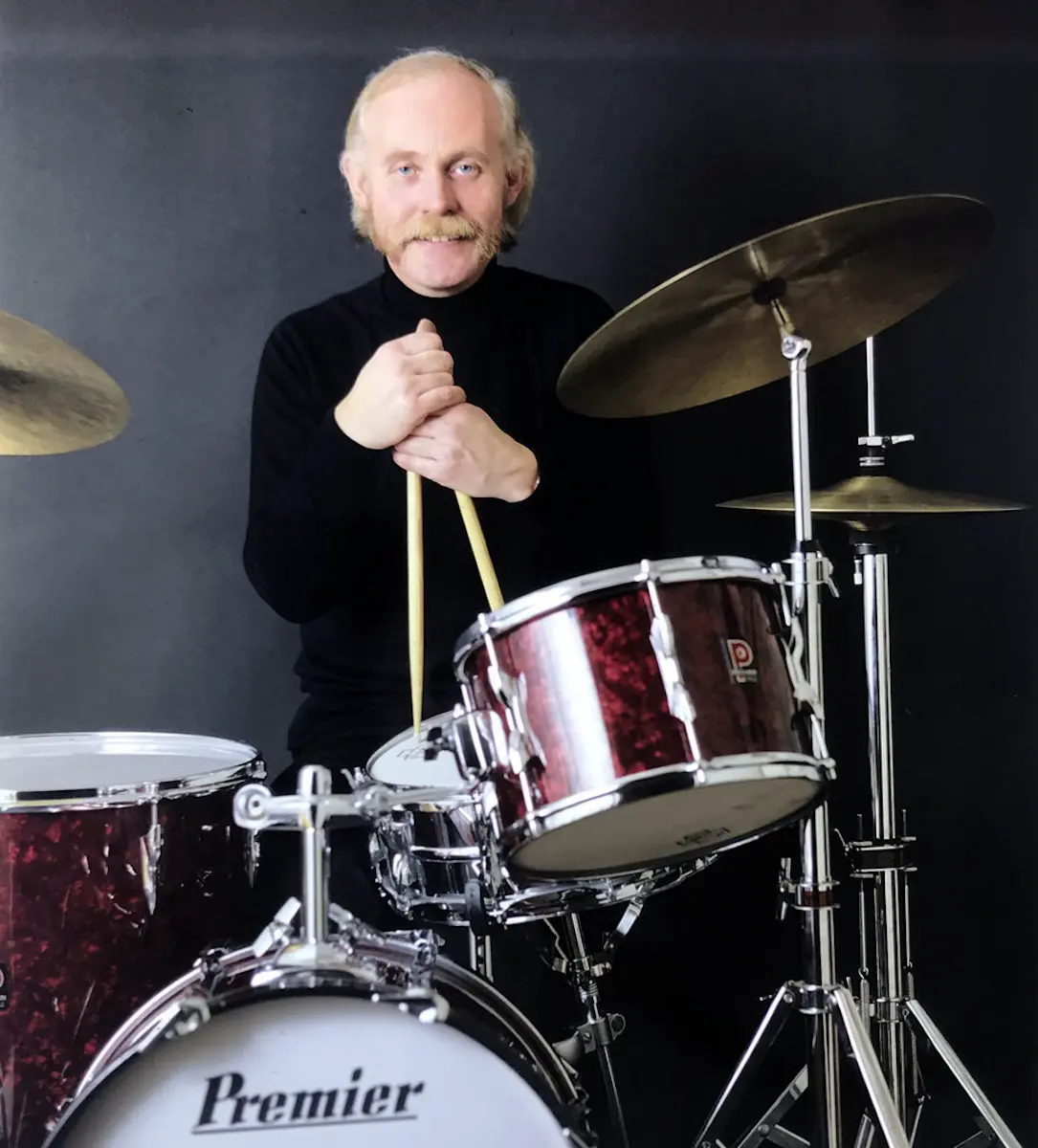
The modern jazz landscape continues to thrive on a delicate balance between historical reverence and avant-garde experimentation, a dynamic underscored by three recent and notable album releases. From the archival reissue of a 1978 Irish jazz-fusion milestone to the contemporary bass-less explorations of a New York piano trio and the deeply cathartic post-bop expressions of a Nashville saxophonist, these recordings offer a comprehensive cross-section of the genre’s enduring versatility. While jazz has historically relied on the strict frameworks of swing, bop, and modal structures, contemporary artists increasingly lean into genre-defying soundscapes that incorporate elements of folk, gospel, rock, and classical composition. This overview examines the artistic merits, historical contexts, and broader industry implications of three significant releases: John Wadham’s Drums And Friends, Nicki Adams’s Arrival, and Rashaan Barber’s Eternal.
Archival Resurgence: John Wadham and the Irish Jazz Renaissance
The release of Drums And Friends by English-born, Dublin-raised drummer John Wadham marks a vital preservation of Ireland’s mid-to-late 20th-century jazz heritage. Originally recorded in 1978 and initially released on Livia Records, the album has received a fresh reissue courtesy of a newly remixed master, updated sleeve notes by drummer Conor Guilfoyle, and previously unseen photographs.
Wadham, an influential mentor within the Dublin jazz scene, carved out a legacy alongside a cadre of European drumming contemporaries such as Daniel Humair, Alex Riel, Spike Wells, and John Engels. His debut album captures a golden era of Irish improvisational music, prominently featuring guitarist Louis Stewart and acclaimed flautist Brian Dunning. The 1978 studio sessions successfully divided the stylistic labor, positioning Dunning on Side A and Stewart on Side B, anchored consistently by bassist Frank Hess.
Musical Architecture of Drums And Friends
Wadham’s compositional and performance choices on the album reflect an eclectic appetite for diverse musical traditions. On Side A, tracks like Floatin’ delve into what can best be described as avant-folk, pairing razor-sharp percussion with Dunning’s fluid, highly adaptable flute lines. Similarly, Wadham’s interpretation of John Surman’s Winter Song and Freddie Hubbard’s Clarence’s Place showcases a rhythmic precision that often outpaces contemporary progressive acts of the era.
Side B transitions into a more intimate, conversational dynamic between Wadham and Stewart. The centerpiece of this side, the freely improvised Improvisation For Guitar And Drums, serves as a masterclass in spontaneous interaction. Rather than falling into the trap of unstructured noise, the piece navigates contrasting sonic textures—evoking imagery ranging from serene rural landscapes to chaotic urban environments. The inclusion of Wayne Shorter’s Footprints further highlights Stewart’s boundless harmonic and melodic creativity.
The reissue is rounded out by bonus tracks, including Victor Feldman’s Seven Steps To Heaven—noted for a rather abrasive bass mix—and a deeply lyrical rendering of John Coltrane’s Naïma. Though these additions arrive late in the listening sequence, they do little to detract from the historical and artistic weight of a record that cements "The Wad" as a foundational pillar of Irish jazz.
The Bass-Less Frontier: Nicki Adams and Arrival
Shifting the geographic and temporal focus to contemporary New York City, pianist Nicki Adams, alongside drummer Francisco Mela and saxophonist Michael Eaton, presents a compelling exercise in minimalist ensemble architecture with the 2025 release Arrival, issued via J-Man Records. Notably omitting a traditional double bass or electric bass from the lineup, the trio relies entirely on Adams’s mastery of the piano’s 88 keys to anchor the harmonic foundation.
Adams, whose prior collaborative credits include jazz luminaries such as David Liebman and Fred Hersch, utilizes multi-note lines and watertight chordal voicings to fill the acoustic space typically occupied by an upright bass. This unorthodox approach directly informs the progressive repertoire featured on Arrival, which spans interpretations of works by Andrew Hill and Wayne Shorter alongside complex original compositions defined by staggered, broken time signatures.
Analytical Critique and Stylistic Contrasts
While the technical proficiency displayed across Arrival is undeniable, the album’s dense concentration of frenzied improvisation and intricate rhythmic patterns invites mixed critical appraisal. Adams’s occasional deployment of stride piano techniques provides a welcome nod to jazz history, yet the unrelenting intensity of the solos occasionally risks fatiguing the listener’s ear.
Critics and purists alike often argue that the most effective improvisational music relies as heavily on silence and space as it does on kinetic execution. Fortunately, the trio offers moments of deliberate respite. Radiohead’s Daily Battles, arranged as a moody, atmospheric breather, demonstrates the ensemble’s capacity for restraint. Furthermore, when the trio finally loosens its grip to swing with unbridled spontaneity on Cole Porter’s It’s Alright With Me, the performance achieves a harmonious equilibrium that validates the group’s avant-garde ambitions.
Catharsis and Social Commentary: Rashaan Barber’s Eternal
Rounding out this trio of releases is Eternal, the latest offering from 46-year-old Nashville-based saxophonist Rashaan Barber. Released on the Jazz Music City label to coincide with its 15th anniversary, the album reflects Barber’s multifaceted upbringing, which was deeply rooted in the musical traditions of gospel and soul, supplemented by a family environment that included a professional classical saxophonist wife and a twin brother who is a prominent trombonist.
Barber’s playing style on Eternal—drawing clear lineage from modern post-bop forebears such as Michael Brecker, Kenny Garrett, and Branford Marsalis—serves as a vehicle for profound personal and emotional processing. Recorded with a band featuring pianist Matt Endahl, guitarist Ted Ludwig, bassist Kevin Beardsley, and drummer Joshua Hunt, the album is heavily influenced by the tragic miscarriage suffered by Barber’s wife, Heidi Radtke, shortly before the May 2025 recording sessions in Nashville.
Emotional Resonance and Sociocultural Context
The title track, Eternal, functions as the emotional nucleus of the album. Rather than yielding to despair, the composition transforms grief into a cathartic explosion of sound, characterized by soaring cries, moans, and Barber’s immaculate articulation. Despite the heavy emotional stakes, the music avoids mawkishness, maintaining structural integrity through disciplined arrangement and execution.
The ensemble expertly navigates the fine line between turbulent uproar and serene introspection. A prime example of the latter is their unexpectedly mellow and tender reinterpretation of Marvin Gaye’s protest and soul classic, What’s Going On.
The album reaches its dramatic climax with Mandela, a high-octane reflection on suffering, resilience, and atonement. Consistent with Barber’s prior discography, Eternal bridges the gap between deeply personal emotional expression and broader sociocultural engagement. In doing so, Barber positions himself alongside contemporary innovators like Immanuel Wilkins and Ambrose Akinmusire, proving that modern jazz remains a vital medium for processing both individual trauma and collective human experience.
Broader Industry Implications and Future Outlook
The simultaneous arrival of these three distinct projects—ranging from the historical excavation of John Wadham’s 1978 sessions to the contemporary deconstruction of the piano trio by Nicki Adams and the deeply narrative post-bop of Rashaan Barber—illustrates the resilient health of the global jazz ecosystem.
As record labels continue to balance archival reissues with support for adventurous, modern idioms, listeners are afforded a panoramic view of the genre’s evolution. Whether through the preservation of regional milestones like Drums And Friends, the boundary-pushing minimalism of Arrival, or the unflinching emotional honesty of Eternal, jazz proves once again that its primary currency is authentic human expression, unbound by time, geography, or instrumentation. Industry analysts note that such releases vitalize niche streaming markets and physical media collectors alike, ensuring that the legacy of improvisational music continues to inspire subsequent generations of musicians and disciples.