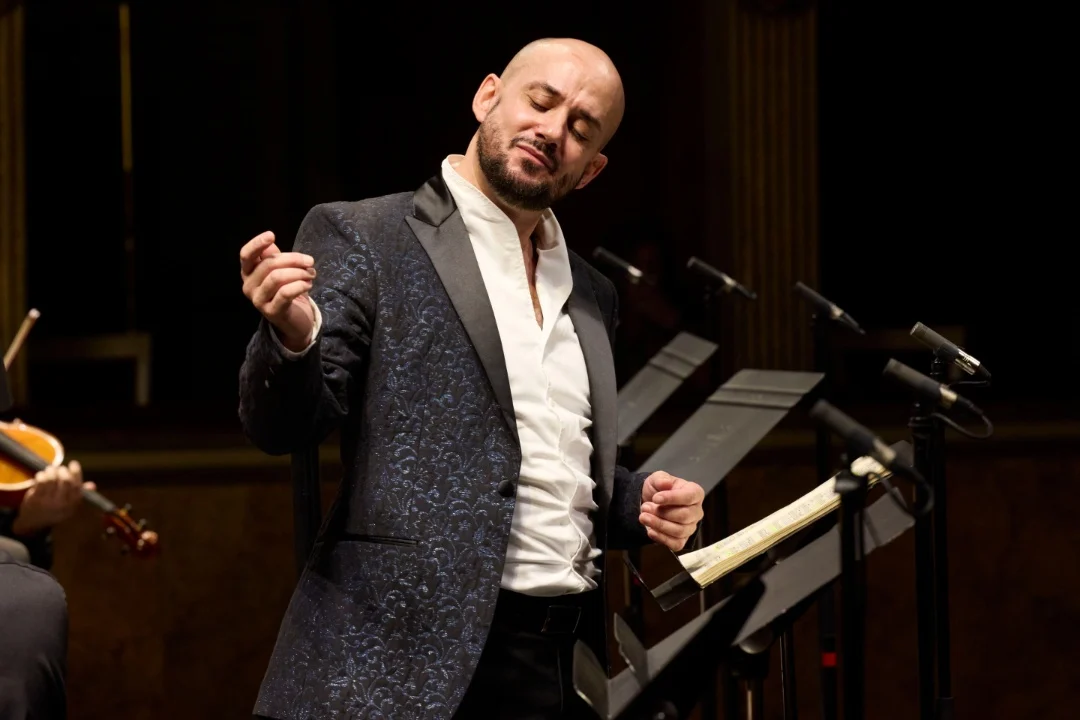
Aveline Kirana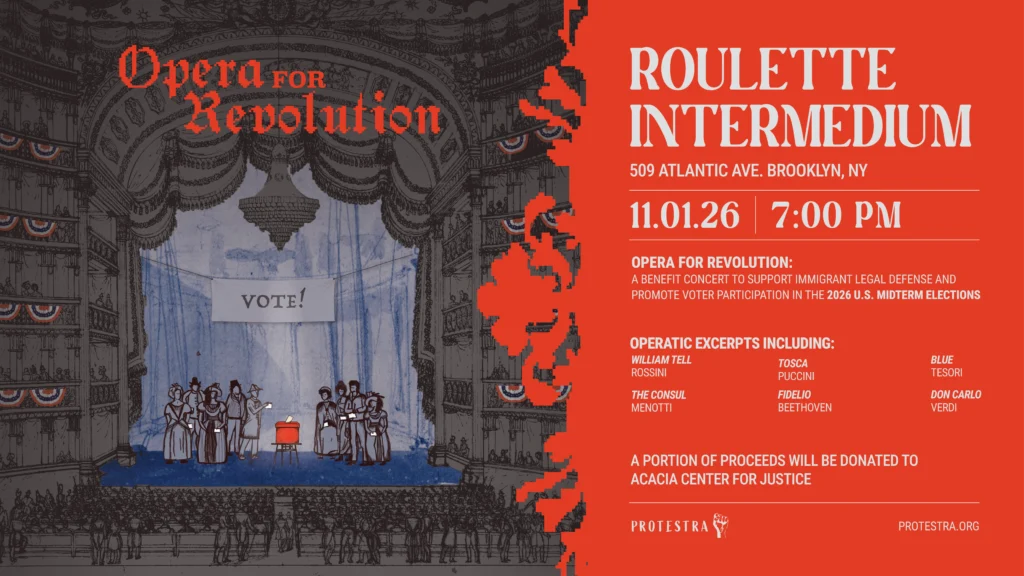
The New York-based orchestral ensemble PROTESTRA, an organization renowned for its unique intersection of social advocacy and classical music, has announced its upcoming concert event, "Opera for Revolution," scheduled for November 1 at Roulette Intermedium in Brooklyn. The performance serves as both a high-caliber showcase of operatic artistry and a strategic fundraising initiative, with a significant portion of ticket proceeds earmarked for the Acacia Center for Justice. This national nonprofit organization plays a critical role in the United States’ legal landscape by supporting human rights defenders who provide legal representation to immigrants facing the risks of detention or deportation.
Artistic Vision and Program Composition
The concert will be under the baton of Music and Artistic Director Michelle Rofrano, with Associate Conductor Kamna Gupta providing additional leadership. Together, they have curated a program that transcends the traditional "greatest hits" recital format, instead selecting works that resonate with the themes of liberty, resistance, and the struggle for human rights.
The repertoire includes excerpts from iconic scores that have historically mirrored societal shifts. Attendees can expect to hear selections from Gioachino Rossini’s "William Tell," a work famously associated with the struggle against oppression; Giacomo Puccini’s "Tosca," a harrowing exploration of political corruption and personal sacrifice; and Giuseppe Verdi’s "Don Carlo," which explores the tension between state power and individual autonomy.
Furthermore, the inclusion of Jeanine Tesori’s contemporary masterpiece "Blue," alongside Gian Carlo Menotti’s "The Consul" and Ludwig van Beethoven’s "Fidelio," demonstrates a deliberate effort to connect historical operatic narratives with contemporary social issues. "Fidelio," Beethoven’s only opera, centers on the themes of political imprisonment and the triumph of the human spirit, providing a poignant thematic anchor for an organization explicitly focused on justice and advocacy.
The Evolution of PROTESTRA: A History of Advocacy
Since its inception in 2017, PROTESTRA has positioned itself as a disruptor in the classical music ecosystem. Rather than adhering to the traditional model of an orchestra as a passive purveyor of heritage art, the organization operates on the belief that music should function as a catalyst for civic engagement.
The organization’s track record over the past seven years provides a clear trajectory of growth and impact. By holding 15 issue-centered benefit concerts, PROTESTRA has bridged the gap between high-level orchestral performance and grassroots activism. The ensemble has successfully reached several thousand viewers, both in the concert hall and through digital platforms, ensuring that their message of social responsibility reaches a diverse audience.
Financial transparency has been a cornerstone of their operations. To date, the organization has raised more than $68,000 in audience donations, all of which have been directed toward nonprofit partners addressing diverse societal challenges. Beyond their philanthropic impact, they have maintained a strong commitment to labor equity in the arts, providing over $79,000 in paid work to more than 300 professional musicians. In an industry often criticized for the precarious nature of freelance labor, this sustained investment in the artistic community underscores the organization’s holistic approach to their mission.
The Partnership with the Acacia Center for Justice
The decision to partner with the Acacia Center for Justice highlights a shift toward addressing the legal intricacies of modern immigration. The Acacia Center, which manages a nationwide network of legal defense programs, serves as a vital firewall against the systemic challenges faced by non-citizens within the U.S. immigration court system.
"The nexus between the arts and legal aid is not merely aesthetic but functional," notes one observer familiar with the intersection of public interest law and the nonprofit arts sector. "When an organization like PROTESTRA highlights the plight of those at risk of deportation through the lens of ‘Fidelio’ or ‘The Consul,’ they are not just performing; they are contextualizing legal injustice within the framework of universal human experience."

By directing proceeds to the Acacia Center, PROTESTRA provides immediate, tangible support to the attorneys and advocates who ensure that due process is upheld. This funding is particularly vital in the current political climate, where legal resources for marginalized populations are often strained by increased demand and fluctuating federal policy.
Civic Engagement Beyond the Concert Hall
Beyond the fiscal support provided through ticket sales, PROTESTRA is leveraging its platform to encourage direct civic participation among its audience base. A primary focus of the November 1 event is voter education. Given the proximity of the concert to the U.S. election cycle, the organization has taken proactive steps to ensure that its attendees are prepared for the ballot box.
The ensemble is disseminating information regarding the New York voter registration deadline, which falls on October 24. By integrating these reminders into their promotional materials and event programming, PROTESTRA fulfills its role as an advocate for democratic participation. This strategy is designed to convert the emotional resonance of the musical performance into practical civic action, encouraging audience members to engage with their local and national representatives.
Implications for the Classical Music Industry
The success of PROTESTRA serves as a case study for the viability of "advocacy-led" arts organizations. In an era where traditional symphony orchestras are often tasked with explaining their relevance to younger, more socially conscious generations, the model pioneered by Rofrano and Gupta offers a template for survival and growth.
The primary implication of this model is the dissolution of the "ivory tower" perception of classical music. By explicitly linking the themes of operatic works to current political realities, the organization creates a feedback loop where the art informs the advocacy, and the advocacy validates the art. This dual-purpose approach is increasingly viewed by industry experts as a necessary evolution for the survival of the classical genre.
Moreover, the financial metrics reported by PROTESTRA—$79,000 in musician fees—demonstrate that social advocacy does not have to come at the expense of professional artistic standards. By prioritizing fair compensation while simultaneously addressing social issues, the organization has created a sustainable model that appeals to both donors and artists who are increasingly looking for ways to align their creative labor with their personal values.
Logistics and Event Details
The concert is set to begin at 7:00 p.m. local time at Roulette Intermedium in Brooklyn. As a venue known for its commitment to experimental and avant-garde performance, Roulette provides an ideal setting for an event that seeks to redefine the operatic experience. The choice of venue also reflects the organization’s commitment to Brooklyn’s vibrant cultural landscape, drawing a diverse crowd of classical music enthusiasts, human rights advocates, and community members.
The logistics of the event are designed to maximize audience engagement. By utilizing a program of excerpts rather than a full-length production, the directors allow for a broader exploration of themes, moving from the political intrigue of the 19th century to the social commentary of modern American works. This pacing is intended to keep the audience focused on the thematic continuity of the concert, moving through the emotional arcs of each piece with a deliberate narrative flow.
Conclusion
As PROTESTRA prepares for the November 1 performance, the intersection of art and justice remains the central pillar of its mission. Through a combination of meticulous musical curation, strategic philanthropic partnerships, and a firm commitment to civic education, the organization continues to challenge the conventional boundaries of what an orchestra can accomplish. "Opera for Revolution" is more than a concert; it is a manifestation of the belief that the performing arts have a profound, active role to play in the pursuit of a more equitable society. Whether through the soaring melodies of Verdi or the urgent, contemporary rhythms of modern composition, PROTESTRA continues to prove that music is a potent vehicle for advocacy, memory, and change.