Aveline Kirana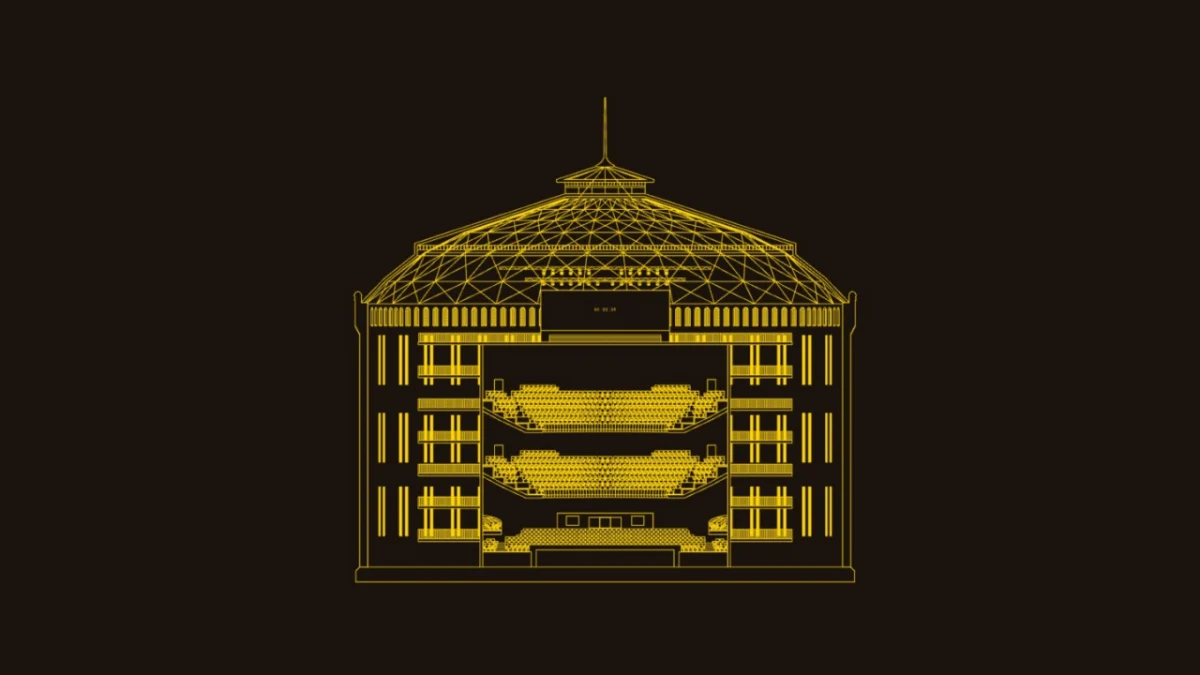
The architectural restoration of Stockholm’s historic 1899 gasholder is nearing its culmination, as officials confirm the venue will officially open its doors to the public on March 17, 2027. This ambitious project, which transforms a relic of the industrial age into a state-of-the-art, pillar-free performance space, represents one of the most significant cultural investments in Sweden’s modern history. By repurposing the iconic structure into a high-capacity dome for concerts, opera, and immersive live productions, the city aims to position itself as a premier destination for global touring acts and avant-garde performance art.
Historical Context and Architectural Innovation
The original gasholder, constructed in 1899, served as a vital component of Stockholm’s industrial infrastructure during the rapid expansion of the city at the turn of the 20th century. For decades, the site stood as a testament to the industrial heritage of the Norra Djurgårdsstaden district. The decision to preserve the exterior shell while completely re-engineering the interior represents a meticulous balance between historical preservation and contemporary engineering.
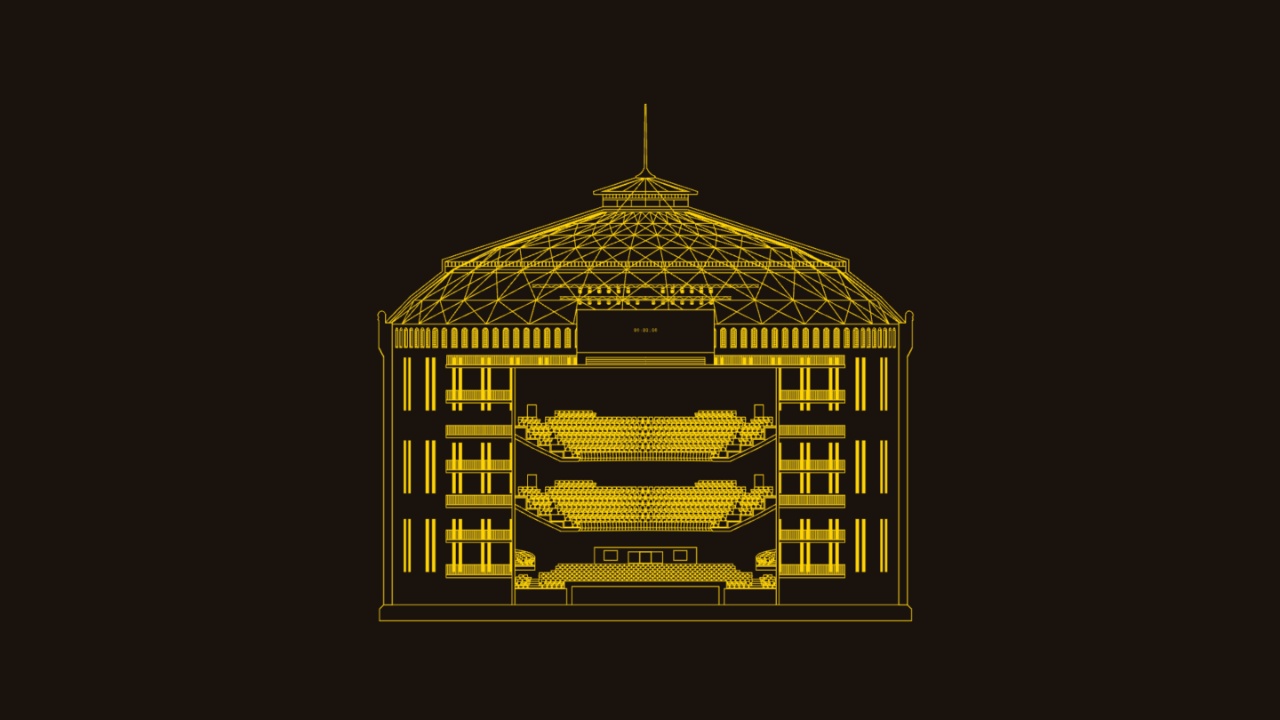
The primary engineering challenge—and triumph—of this project lies in the creation of a massive, pillar-free interior. Traditional performance venues often contend with structural columns that obstruct sightlines and limit stage design; the Gasometer removes these constraints entirely. The interior dome is designed to provide unparalleled acoustics and a 360-degree immersive environment. Architects have integrated advanced climate control and acoustic dampening systems that respect the fragile historical masonry of the outer walls while meeting the rigorous technical demands of modern large-scale productions.
The Inaugural Program: A Four-Act Symphony
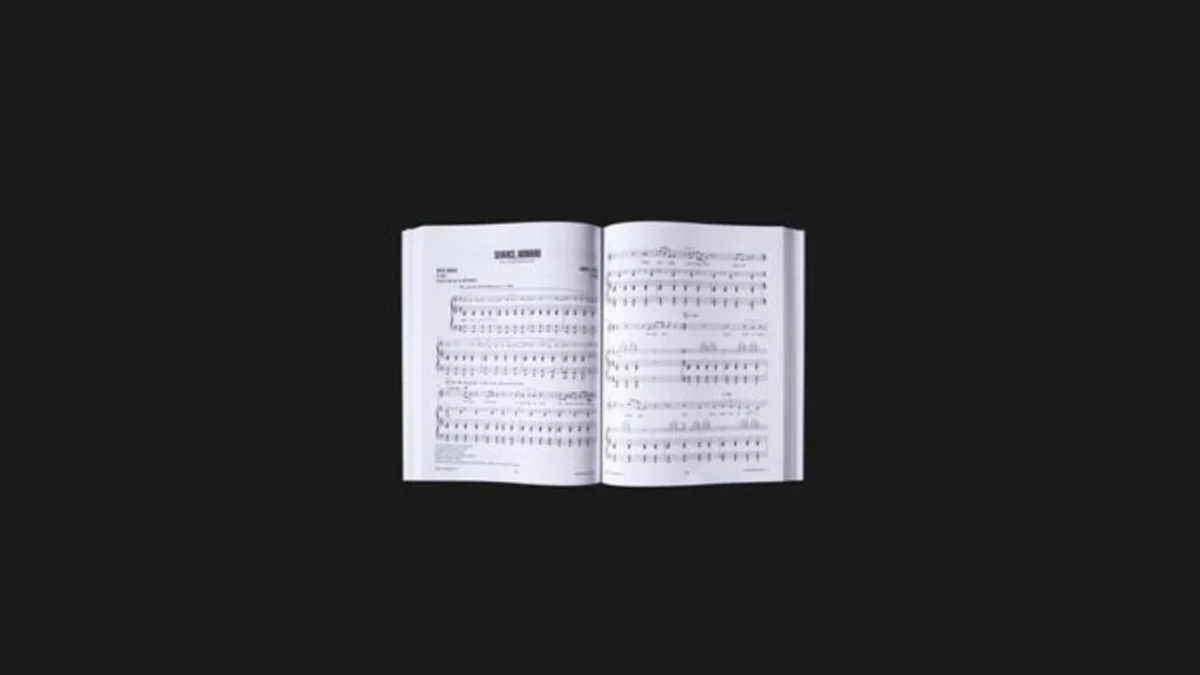
The opening sequence, scheduled to span four consecutive nights beginning March 17, 2027, has been curated to highlight the venue’s versatility. The artistic direction is spearheaded by composer Jacob Mühlrad and creative director Alexander Wessely, a duo recognized for their ability to synthesize traditional orchestral composition with high-concept visual aesthetics.
The program is structured as a "four-act" experience. Each night is intended to demonstrate a different facet of the venue’s technical capabilities, ranging from intimate classical performances to large-scale, high-fidelity light and sound installations. By bridging the gap between classical tradition and contemporary digital art, Mühlrad and Wessely aim to establish the Gasometer as a laboratory for the future of performing arts, rather than a mere rental space for touring acts. This opening cycle is expected to draw international attention from arts critics and venue developers alike, as it serves as a high-stakes proof-of-concept for the facility’s unique spatial geometry.
The Royal Swedish Opera and the Interim Residency
Beyond the celebratory opening, the Gasometer has already secured a significant long-term tenant. The Royal Swedish Opera (Kungliga Operan) has confirmed that it will utilize the Gasometer as its primary stage for the next five seasons. This strategic move is necessitated by extensive, long-planned renovations of the Royal Swedish Opera House in central Stockholm.
The transition of a historic, repertory-based opera company into an industrial-era repurposed dome is an architectural and logistical undertaking of massive proportions. The Royal Swedish Opera plans to leverage the pillar-free space to rethink traditional stagings, potentially moving away from proscenium-heavy productions toward more experimental, audience-integrated experiences. This residency provides the Gasometer with a steady stream of high-caliber programming, ensuring that the venue remains active and economically viable during its critical first years of operation. For the opera company, the temporary relocation represents an opportunity to engage a younger, perhaps more diverse audience in the trendy, developing district surrounding the gasholder.
Supporting Data and Economic Implications
The economic impact of the Gasometer is expected to be profound for Stockholm’s cultural sector. According to preliminary projections from the Stockholm City Planning Office, the venue is expected to generate upwards of 400,000 visitors annually once fully operational. This influx of foot traffic is projected to catalyze further development in the Norra Djurgårdsstaden district, which has been undergoing a green-focused urban renewal.
Market data suggests a growing demand for "experiential" venues in Northern Europe. As stadium-sized concerts become increasingly expensive and difficult to stage due to infrastructure limitations, the mid-to-large-capacity venue market is seeing a surge in investment. With a capacity that fills the void between mid-sized theaters and massive stadiums, the Gasometer is uniquely positioned to capture lucrative international touring contracts that might otherwise bypass the Nordic region.
Official Perspectives on the Venue’s Role
Julien Planté, Head of Entertainment at Miramis, the group overseeing the programming and operations of the venue, emphasized the strategic importance of the launch in a recent press statement. "With the inauguration of the Gasometer, we are not simply opening a new venue; we are establishing a new benchmark for live entertainment in Europe," Planté stated. He noted that the venue’s design philosophy was built upon the concept of "the erasure of boundaries," referring to both the physical removal of pillars and the conceptual blurring of lines between the audience and the performer.
Other stakeholders, including urban planners and cultural heritage groups, have praised the project for its sustainability. By reusing the existing structure rather than demolishing it, the project significantly reduces the carbon footprint typically associated with the construction of large-scale public buildings. This "circular architecture" approach has become a hallmark of Stockholm’s modern development strategy and serves as a blueprint for other European cities looking to repurpose industrial heritage sites.
Chronology of Development
- 1899: Original construction of the Stockholm gasholder as part of the city’s industrial grid.
- 2010s: The district of Norra Djurgårdsstaden begins its transition from an industrial hub to a sustainable residential and commercial neighborhood.
- 2021: Preliminary approval for the conversion of the gasholder into a performance venue is granted by the Stockholm City Council.
- 2023: Full-scale construction and structural reinforcement begin, focusing on the preservation of the exterior masonry.
- 2025: Installation of advanced internal acoustic shells and digital infrastructure.
- March 17, 2027: Official grand opening with the four-act inaugural performance.
- 2027–2032: Five-season residency period for the Royal Swedish Opera.
Broader Impact and Future Outlook
The opening of the Gasometer is not an isolated event but rather a major milestone in Stockholm’s broader strategy to cement its status as a cultural capital. As the city competes with other major European hubs like Berlin, London, and Paris, the ability to host bespoke, technologically advanced productions provides a distinct competitive advantage.
Furthermore, the integration of a major classical institution like the Royal Swedish Opera into a modernized industrial space suggests a trend toward "hybridization" in the performing arts. If the transition proves successful, it may inspire other European cities to seek out similar industrial relics for cultural repurposing. The success of this venue will likely be measured by its ability to balance the high-frequency demands of pop and rock concerts with the acoustic precision required by grand opera.
As the March 2027 date approaches, anticipation is building within the arts community. The combination of historical reverence, cutting-edge engineering, and a robust opening program positions the Gasometer to be more than just a venue; it is intended to function as an architectural landmark and a dynamic engine for the regional economy. Whether it succeeds in setting a new European benchmark for live entertainment will depend on its operational agility in the months following its inauguration. Regardless, the project stands as a clear indicator that Stockholm remains at the forefront of combining architectural heritage with the evolving needs of the global entertainment industry.