 Kholidah
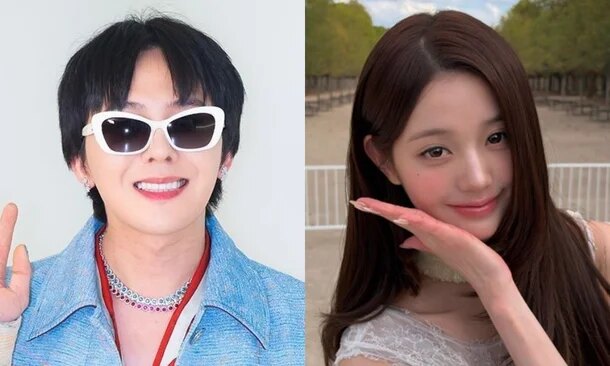
The intersection of digital engagement and celebrity scrutiny has once again come to the forefront of the K-pop industry following recent activity on the social media account of BIGBANG member G-Dragon. On October 2, 2026, observers noted that the veteran artist’s verified Instagram account had interacted with a series of photographs uploaded by IVE member Jang Wonyoung. The images, which documented her attendance at a high-profile fashion brand event, received a “like” from G-Dragon, sparking immediate discourse across social media platforms and digital news outlets.
This interaction marks the second time in recent months that the two artists have been linked through digital activity, following a similar engagement in August. While celebrities frequently interact with one another’s content within the insular ecosystem of the entertainment industry, the high profile of both individuals—representing two distinct generations of K-pop stardom—has amplified public interest in the gesture.
Chronology of Digital Engagement
The timeline of these interactions suggests a sporadic pattern rather than a consistent trend. The initial instance occurred in August 2026, when G-Dragon’s account interacted with a post from Jang Wonyoung’s official feed. At the time, the interaction went largely unnoticed by the mainstream media, remaining a point of discussion primarily among niche fan communities.
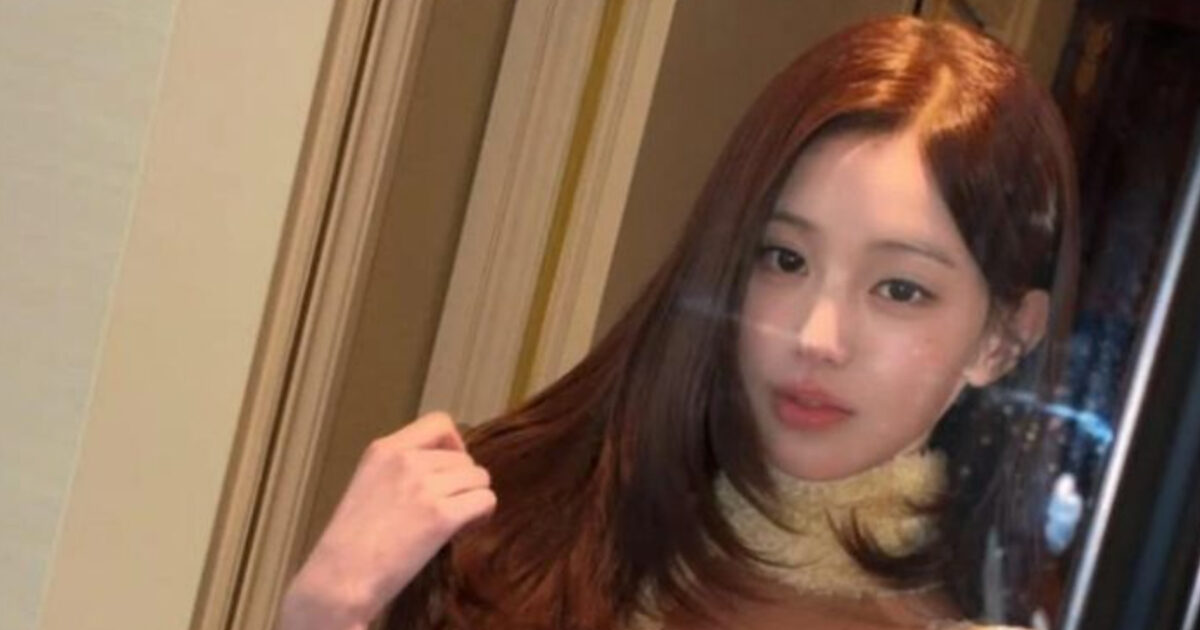
The second instance, occurring on October 2, 2026, coincided with a period of heightened visibility for both artists. Jang Wonyoung, a prominent figure in the fourth generation of K-pop, has become a frequent fixture at global fashion weeks and brand showcases. G-Dragon, having maintained his status as a cultural icon for nearly two decades, remains under constant observation by both fans and industry analysts. The repetition of the “like” prompted a segment of the online community to categorize the activity as a notable pattern, leading to the current wave of public speculation.
Contextualizing Social Media Habits
To understand the weight of such an interaction, it is necessary to consider G-Dragon’s documented history regarding his social media usage. During an appearance on an Epik High-hosted program, the artist addressed the nature of his online presence. He explained that his interaction with social media is often impulsive and driven by the platform’s recommendation algorithms rather than intentional messaging.
"When I am traveling by car or have some free time, I quickly scan my feed and naturally ‘like’ posts that leave an impression," G-Dragon stated during the interview. "As I scroll through my feed following the recommendation algorithm, I sometimes cause unexpected incidents or make mistakes."
This statement serves as a primary point of reference for representatives and observers attempting to contextualize the current situation. It highlights a disconnect between the casual, algorithmic consumption of content by a celebrity and the analytical, often critical, reception by the public. For a public figure of G-Dragon’s stature, every digital footprint is scrutinized, transforming a passive action into a potential subject of public debate.

Industry Data and Public Perception
The K-pop industry operates on a high-stakes model of public image management. According to industry analysts, the "para-social" relationship between idols and their fans creates an environment where any interaction—or lack thereof—is treated as a significant data point. For a fourth-generation idol like Jang Wonyoung, maintaining an image of professional independence is paramount. Conversely, for a veteran like G-Dragon, the expectations regarding his conduct are shaped by his status as an industry pioneer.
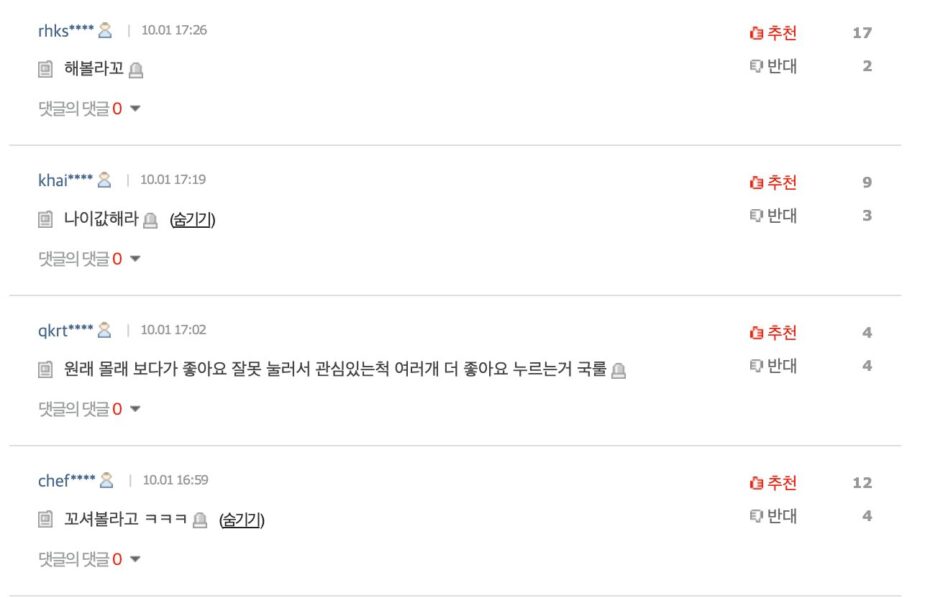
Public reaction has been polarized. On one side, proponents argue that social media interactions are a trivial aspect of modern digital life, suggesting that the frequency of these reports is disproportionate to the action itself. Conversely, critics have argued that high-profile artists should exercise greater caution given their influence. The discourse has reached platforms such as Nate News, where netizens have debated whether the repeated interactions signify a lapse in professional judgment or are simply a reflection of the interconnected nature of the luxury fashion and entertainment industries.
Implications for Celebrity Brand Management
The incident underscores the increasing difficulty of maintaining personal digital boundaries for high-profile celebrities. In the current era, the "like" button has become a symbolic gesture that carries more weight than in the general public. For brand ambassadors like Jang Wonyoung, who represents several global luxury houses, every interaction involving her social media accounts can potentially be interpreted as an endorsement or an association.
Furthermore, the incident raises questions about the responsibility of management agencies in overseeing the social media accounts of their artists. While G-Dragon’s agency has maintained a policy of relative autonomy regarding their artists’ personal accounts, the fallout from this event suggests that management may need to adopt stricter protocols to avoid unnecessary PR challenges.
Analyzing the "Digital Footprint" Phenomenon
Social media platforms have shifted from personal diaries to complex marketing ecosystems. For artists, these platforms are dual-purpose: they serve as a medium for authentic self-expression and as a vital tool for personal branding. When two artists interact, the algorithm often highlights this engagement, bringing it to the front of their followers’ feeds.
Analysts note that the "like" is a low-effort engagement that nonetheless triggers a high-visibility reaction. In the context of the K-pop industry, where fanbases are highly protective and observant, this visibility is amplified. The "mistake" or "unintentional interaction" mentioned by G-Dragon is a common occurrence for many users, yet for an idol, it serves as a reminder that digital privacy is increasingly rare.
Expert Perspectives on Digital Etiquette
Sociologists studying the entertainment industry have suggested that the public’s fixation on such events is a byproduct of the intense parasocial bonds formed in K-pop culture. Fans often feel a sense of ownership over the narratives surrounding their favorite idols. Consequently, when a veteran idol interacts with a younger colleague, it is often filtered through the lens of potential mentorship, professional alignment, or personal connection.
The fact that this incident involved a prominent figure from the second generation of K-pop and a leader of the fourth generation adds another layer of complexity. It reflects the bridging of two distinct eras of the industry, where the standards for "appropriate" social media conduct have evolved significantly.
Conclusion and Future Outlook
As of this report, neither G-Dragon nor Jang Wonyoung has issued an official statement regarding the social media activity. Historically, silence is the standard approach for agencies when dealing with minor digital controversies, as direct responses often serve only to prolong the cycle of public attention.
The incident serves as a case study for the evolving nature of celebrity interaction in the digital age. As social media platforms continue to refine their recommendation algorithms, the likelihood of "unexpected incidents" is statistically higher for all users, regardless of their status. However, for those living under the constant scrutiny of the public eye, the cost of these digital habits remains significantly higher.
Moving forward, it is likely that the industry will see a more concerted effort toward digital literacy and account management among top-tier stars. Whether this results in more curated, restrictive social media policies or simply a shift in how the public perceives these interactions remains to be seen. For now, the "like" on Jang Wonyoung’s post remains a singular event, interpreted by some as a benign gesture and by others as a breach of professional decorum, highlighting the enduring tension between private digital habits and public expectation.