 Kholidah
The Origin of the Dating Rumors
The speculation surrounding BTS member Jungkook and aespa member Winter has persisted for several months, driven largely by fan-driven digital investigations. The narrative gained momentum in the summer of 2026, when social media users began cross-referencing images of the two artists, claiming to identify similarities in body art. Proponents of the theory have focused on specific areas of their arms, alleging that both idols share a matching design.
While entertainment industry observers often note that coincidental similarities in aesthetic choices are common among high-profile celebrities, the digital discourse surrounding these two figures has been particularly persistent. The rumors are not based on official statements from either HYBE or SM Entertainment, the respective management agencies of BTS and aespa. Instead, the discourse has been fueled by the rapid dissemination of cropped images, video stills, and social media commentary that interprets minute visual details as definitive evidence of a personal relationship.
Chronology of the Recent Controversy
The current wave of speculation traces back to the release of "BTS WORLD TOUR ‘ARIRANG’ IN EUROPE Sketch," a behind-the-scenes video documenting the group’s recent tour. In a segment featuring the members dining at a restaurant, viewers noticed an adhesive patch on Jungkook’s arm.
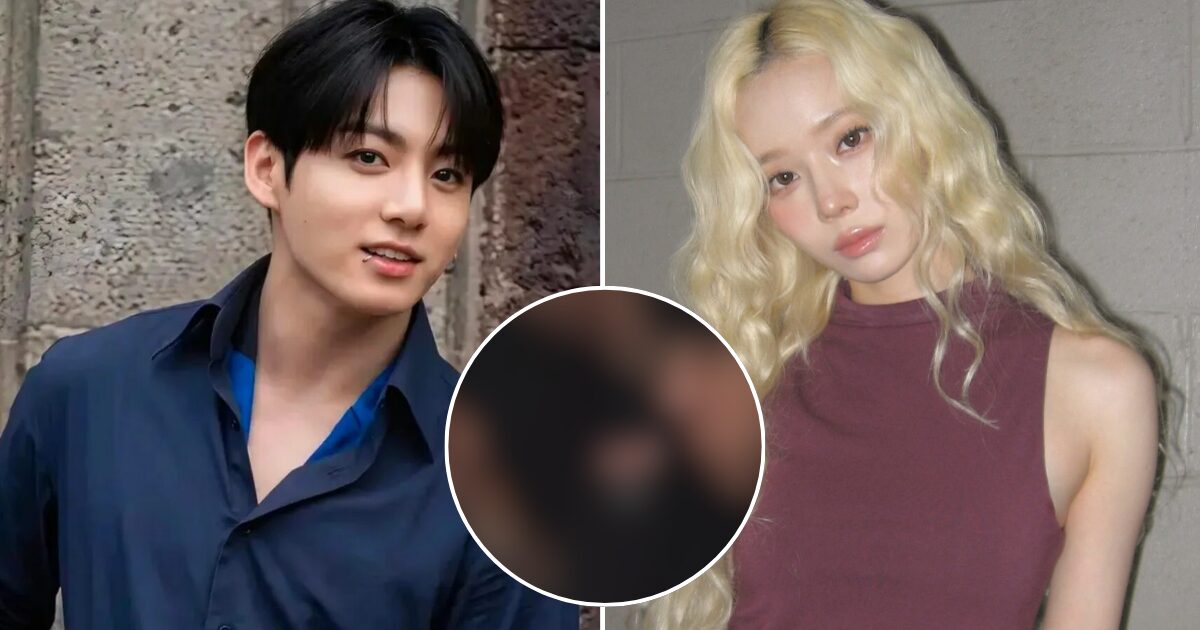
Within hours of the video’s upload, the footage was clipped and analyzed by users on platforms such as X (formerly Twitter) and various online fan forums. The discourse shifted from neutral observation to pointed accusation, with some users alleging that the patch was a strategic cover-up for a tattoo that had been previously discussed in fan circles. The term "coward," used in the context of the alleged concealment, reflects the heightened emotions of a subset of the fanbase that feels invested in the verification of these rumors.
This is not the first time such claims have surfaced. Throughout late 2026, multiple "viral proofs" have emerged, ranging from alleged shared accessories to claims regarding body art. Each iteration of these rumors has been met with varying degrees of skepticism from the general public, yet they continue to command significant engagement within the K-pop community.
Supporting Data and Digital Trends
To understand the scale of this reaction, one must consider the digital footprint of BTS and the nature of modern celebrity culture. As of October 2026, BTS maintains one of the largest and most active digital fanbases in the world. Any content released by the group, including informal "sketch" videos, is subject to frame-by-frame analysis by millions of fans.
In the case of this specific controversy, the engagement metrics are notable. Hashtags related to the rumors have trended in multiple regions, and the specific clips in question have accumulated millions of views within a 24-hour period. Data from social media monitoring tools indicates that the demographic most active in this discussion is comprised of younger, highly engaged followers who prioritize visual analysis as a form of "investigative fandom."

Despite this high level of engagement, there is a distinct lack of corroborating evidence. Independent forensic analysis of the images—often conducted by fans themselves—has frequently resulted in conflicting conclusions, with many observers noting that the "tattoos" in question are often obscured by low-resolution footage, shadows, or simple lighting artifacts.
The Role of Agency and Industry Standards
In the South Korean entertainment industry, the management of private lives is a strictly controlled aspect of an idol’s professional persona. Agencies such as HYBE and SM Entertainment typically maintain a policy of silence regarding unsubstantiated rumors to avoid giving them undue credibility.
Historically, when dating rumors reach a level of public interest that threatens to distract from professional activities, agencies have occasionally issued statements denying the claims or promising legal action against malicious defamation. However, in this instance, no official response has been issued by either party. From a public relations perspective, this silence is standard. By acknowledging the rumor, an agency risks legitimizing speculation that lacks concrete evidence, potentially inviting further scrutiny into the artists’ private lives.
Analysis of Fan Dynamics and Digital Surveillance
The phenomenon of "digital surveillance" regarding K-pop idols has evolved significantly. In the past, fan activities were largely confined to attending concerts and purchasing merchandise. Today, the participatory nature of social media platforms allows fans to act as "citizen journalists." While this has fostered a closer connection between artists and their audience, it has also created an environment where the boundaries of privacy are frequently challenged.

The accusation that Jungkook is hiding a tattoo "like a coward" serves as a poignant example of the projection of fan expectations onto the idol. The intensity of this discourse suggests that for some, the validation of a relationship has become a proxy for the perceived honesty of the artist. When an idol is perceived to be "hiding" something, the reaction is often visceral, manifesting as a sense of betrayal or frustration.
Broader Implications for Celebrity Privacy
The implications of this incident extend beyond the individual artists involved. The case highlights the growing difficulty for global celebrities to maintain a private life in an era of constant surveillance. Every gesture, every wardrobe choice, and every physical movement is subject to immediate, global analysis.
Furthermore, the "tattoo" discourse reflects a trend where physical markers on an idol’s body—such as piercings or tattoos—are treated as public property or "clues" in a larger, fan-constructed narrative. This objectification of the idol’s physical form creates a dynamic where the artist is no longer in control of their own aesthetic identity, as every permanent mark is subjected to speculation regarding its meaning or origin.
Conclusion and Future Outlook
As of now, there is no verified information to support the existence of a "couple tattoo" between Jungkook and Winter, nor is there any evidence that the adhesive patch seen in the recent tour footage is anything other than a standard health-related or personal item, such as a bandage for a minor injury or a skin-care treatment.

The incident serves as a case study in the power of social media to amplify unsubstantiated claims until they appear to be factual. While the discourse surrounding the alleged tattoo will likely persist as long as there is high interest in the private lives of these artists, the lack of official confirmation from their respective agencies suggests that these rumors will remain in the realm of speculation. For the industry, the challenge remains in balancing the fans’ desire for proximity and information with the fundamental right of the artists to maintain a private life, free from the constraints of digital scrutiny and the pressure to account for every aspect of their personal appearance. Moving forward, observers should look toward official releases or statements from management, rather than unverified fan-driven content, to distinguish between speculation and reality.