Johan Budi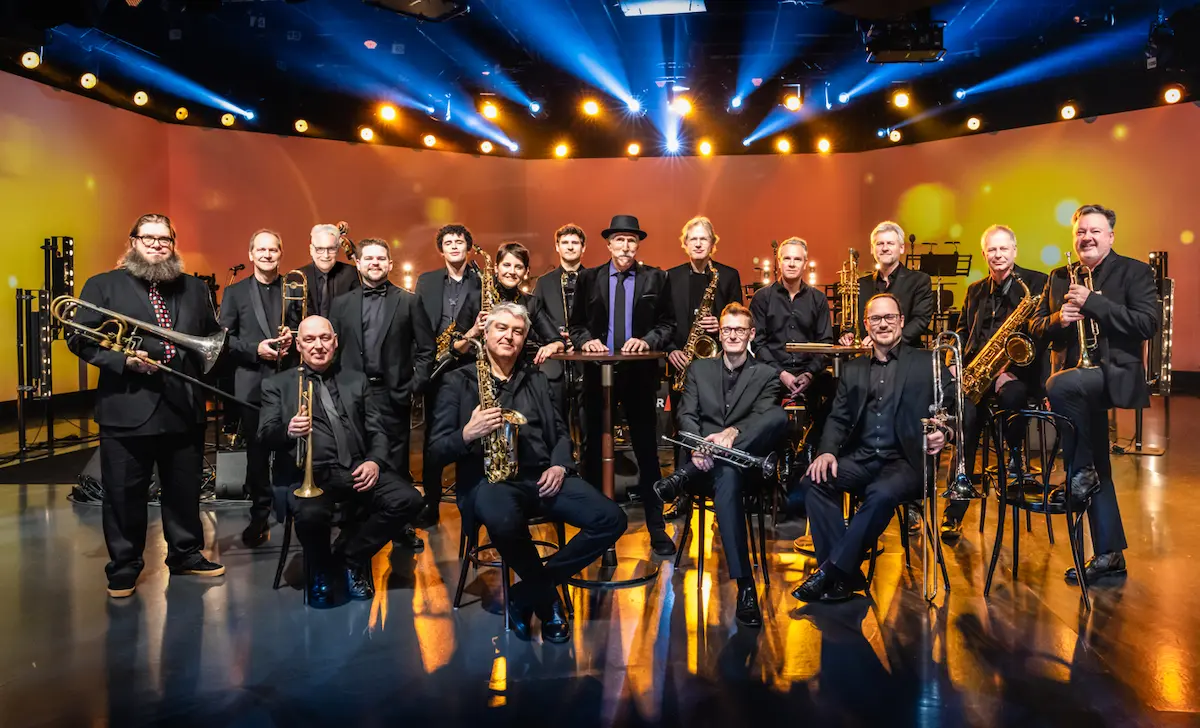
The landscape of contemporary jazz continues to expand through ambitious cross-genre collaborations and the exploration of improvisational boundaries, as evidenced by three significant new releases from the WDR Big Band, guitarist Mike Bruzzese, and the trio of Phil Haynes, Ben Monder, and Peyton Pleninger. These projects, ranging from the structured grandeur of a German radio orchestra to the raw spontaneity of live trio improvisation, underscore the versatility of the genre in the 21st century. By integrating elements of American bluegrass, modal post-bop, and avant-garde soundscapes, these artists are maintaining the historical lineage of jazz while pushing its technical and conceptual limits.
The WDR Big Band and the Evolution of Bluegrass Fusion
The intersection of jazz and country music, often referred to as "Americana" or "New Grass" when fused with bluegrass, has a storied history in American composition. This tradition was famously navigated by Aaron Copland in his 1942 ballet Rodeo, which utilized the folk melody Bonaparte’s Retreat. Over the subsequent decades, jazz luminaries such as Sonny Rollins and Gary Burton further bridged the gap between the Nashville sound and the improvisational rigors of the New York and West Coast jazz scenes. The WDR Big Band’s latest venture, titled Bluegrass, represents a sophisticated continuation of this dialogue.
Arranged and directed by Bob Mintzer, the renowned saxophonist for the Yellowjackets and the WDR Big Band’s chief conductor since 2016, the project features two stalwarts of the bluegrass world: violinist Darol Anger and mandolinist/guitarist Mike Marshall. The collaboration was born from a proposal by the band’s manager, Arnd Richter, and was recorded during a live concert performance in Cologne in December 2021. The resulting 70-minute recording has now been released across multiple formats, including a double vinyl edition, catering to the resurgence of high-fidelity analog interest among jazz aficionados.
Technical Analysis of the Bluegrass Arrangements
The album consists of nine tracks, including two traditional arrangements and seven original compositions by Mintzer, Anger, and Marshall. A notable highlight is the opening track, Slip And Slide, composed by Marshall. The piece serves as a technical showcase for the mandolin—an instrument rarely featured in a big-band setting. The arrangement balances the percussive, bright timbre of the mandolin with the lush, brass-heavy textures of the WDR ensemble, featuring a notable alto saxophone solo by Karolina Strassmayer.
The fusion of styles is perhaps most evident in the medley of traditional tunes Elzic’s Farewell and Yew Piney Mountain. These tracks transition from a contemporary riff reminiscent of the Brecker Brothers to a high-speed reel that pays homage to Scottish and Irish folk traditions. Mintzer’s use of the Electronic Wind Instrument (EWI) on tracks like Emy In The Woods and Borealis adds a modern, synthesized layer to the acoustic foundations of the bluegrass fiddle and mandolin. This juxtaposition highlights the WDR Big Band’s long-standing reputation for versatility, a trait cultivated since its founding in 1956 through collaborations with innovators like Joe Zawinul and Billy Cobham.
Mike Bruzzese and the Montreal Jazz Tradition
While the WDR Big Band explores large-scale fusion, Montreal-based guitarist Mike Bruzzese offers a more intimate look at the evolution of the jazz quartet on his sophomore release, Another Space. Bruzzese, a graduate of McGill University’s prestigious music program, has established himself as a prominent voice in the Canadian jazz scene, having previously worked with legendary drummers Louis Hayes and Lenny White.
Another Space follows his 2022 debut, Even When I’m Dreaming, and features a core quartet consisting of tenor saxophonist Ben Solomon, bassist Mike De Masi, and drummer Adam Arruda. The album is characterized by a relaxed modal approach, particularly evident on the opening track, The Elements. The chemistry between Bruzzese and Solomon is a central pillar of the recording; Solomon, who spent five years in the group of the late trumpeter Wallace Roney, brings a Coltrane-influenced intensity that complements Bruzzese’s sparse, mid-tonal guitar comping.
Standard Interpretations and Original Compositions
The inclusion of Billy Strayhorn’s Lush Life provides a moment of traditional reflection amidst the album’s original instrumental tracks. Featuring guest vocalist Laura Anglade, the track adheres to the "standard" tradition while allowing the quartet to demonstrate their ability to support a vocal narrative. This contrast is balanced by "boppy" originals like Light Bulb, where bassist Mike De Masi contributes a significant pizzicato solo, showcasing the individual virtuosity of the rhythm section.
The album concludes with Solomon’s composition Generalife, a track that utilizes dynamic fading techniques to create an atmospheric ending. Bruzzese’s performance throughout the album is marked by a refusal to overplay, a hallmark of a mature leader who prioritizes the collective sound over individual display. This release on Bent River Records further solidifies Montreal’s status as a hub for sophisticated, high-level jazz production.
The Avant-Garde Exploration of Terra
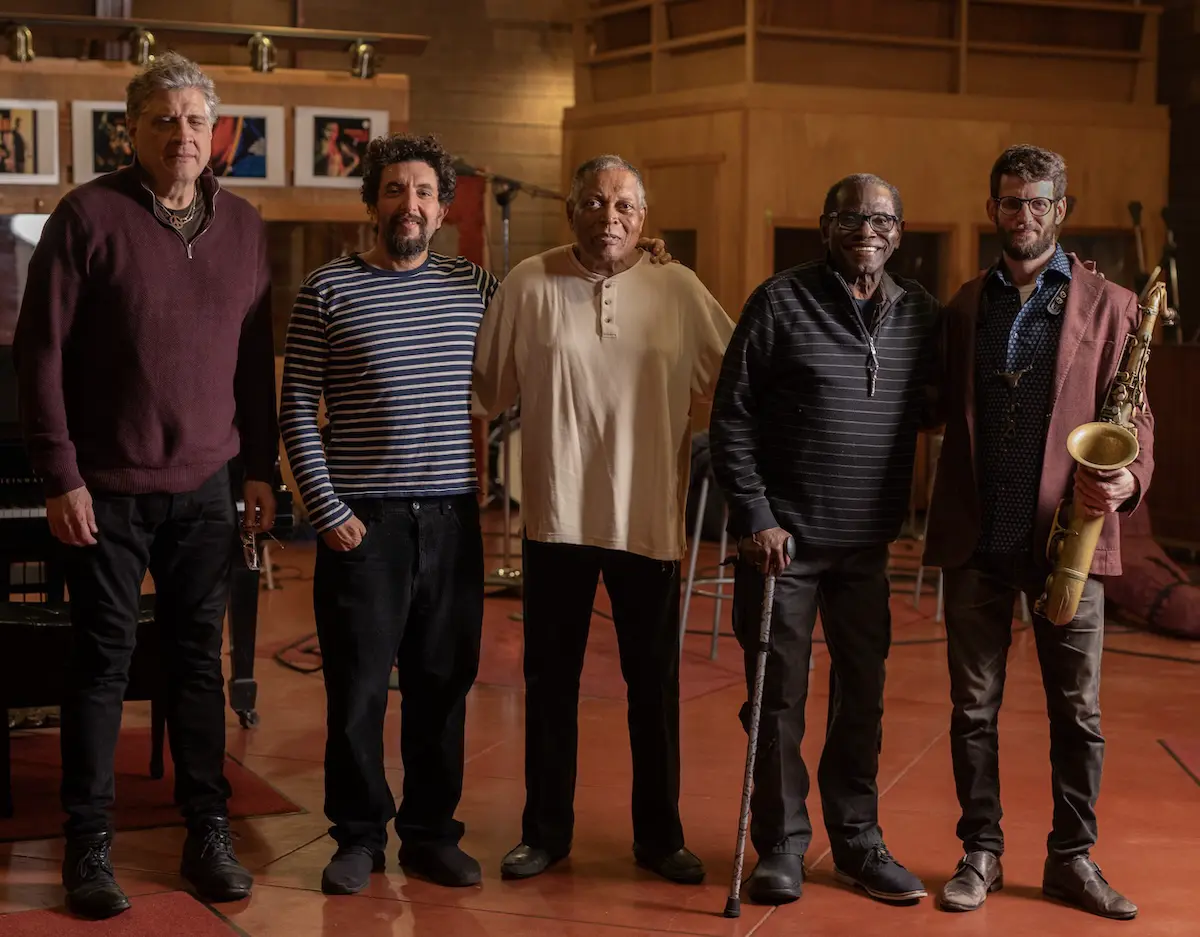
In a stark departure from the structured arrangements of the WDR Big Band or the modal focus of Mike Bruzzese, the trio of Phil Haynes, Ben Monder, and Peyton Pleninger offers a deep dive into spontaneous improvisation with their live recording, Terra. Recorded at Bucknell University’s Natalie Davis-Rooke Recital Hall in March 2025, the album captures the first time these three musicians performed together as a unit.
Phil Haynes, a veteran drummer known for his work with the Paul Smoker trio and Anthony Braxton, serves as the catalyst for this project. He is joined by Ben Monder, a guitarist whose credits include David Bowie’s final album Blackstar, and Peyton Pleninger, a rising tenor saxophonist who was mentored by the legendary Milton Graves. The lineage of Graves, a pioneer of free jazz and polyrhythmic percussion, is palpable in Pleninger’s contributions to the trio.
A Chronology of Spontaneous Sound
The structure of Terra is defined by long-form improvisations, such as the 20-minute suite Moonrise / Aurora / Starlit / Meteor. The performance begins with nearly a minute of silence, emphasizing the trio’s focus on space and listening. As the piece develops, it moves from sparse, fragmented statements to a denser, more cohesive texture characterized by "spectral" saxophone cries and Monder’s use of guitar feedback.
The track Skylark offers the trio’s interpretation of a ballad, though it remains firmly within their experimental framework. Monder’s fingerpicking provides a lithe, rhythmic foundation for Pleninger’s wistful tenor saxophone lines. The recording serves as a document of a specific moment in time, where the chemistry between a veteran rhythm section and a younger, avant-garde-leaning soloist creates a unique sonic environment. Released on Corner Store Jazz, Terra exemplifies the continuing relevance of the free-improvisation movement in academic and recital hall settings.
Broader Implications for the Jazz Industry
These three releases, though distinct in style and origin, point toward several broader trends in the contemporary jazz industry. First, the WDR Big Band’s Bluegrass project demonstrates the continued viability of large-scale, state-funded radio orchestras in Europe. While many large ensembles struggle for funding in the United States, European institutions like the WDR (Westdeutscher Rundfunk) provide the resources necessary to record and tour high-concept projects that bridge disparate genres.
Second, the rise of regional jazz centers, such as Montreal, continues to challenge the historical dominance of New York City. Artists like Mike Bruzzese are utilizing local educational institutions and independent labels to produce work that reaches a global audience without the necessity of a Manhattan base.
Finally, the release of Terra highlights the importance of the live recording as an artifact of the improvisational process. In an era of highly polished studio productions, the raw, unedited captures of live performances at universities and small venues remain essential for the preservation of the avant-garde tradition.
Chronological Summary of Featured Recordings
- 1956: WDR Big Band founded in Cologne, Germany.
- 2016: Bob Mintzer appointed chief conductor of the WDR Big Band; John Scofield releases Country For Old Men, signaling a resurgence in jazz-country fusion.
- December 2021: WDR Big Band records Bluegrass with Darol Anger and Mike Marshall in Cologne.
- 2022: Mike Bruzzese releases his debut album, Even When I’m Dreaming.
- March 1, 2025: Phil Haynes, Ben Monder, and Peyton Pleninger record Terra live at Bucknell University.
- Current Period: Release of Bluegrass on double vinyl and CD; release of Another Space on Bent River Records; release of Terra on Corner Store Jazz.
The convergence of these projects illustrates that whether through the lens of folk tradition, modal structure, or free improvisation, jazz remains a fluid and adaptive medium. The technical proficiency of the performers, combined with the imaginative scope of the arrangers and composers, ensures that the genre continues to offer "another space" for both artists and listeners to explore.