Nana Wu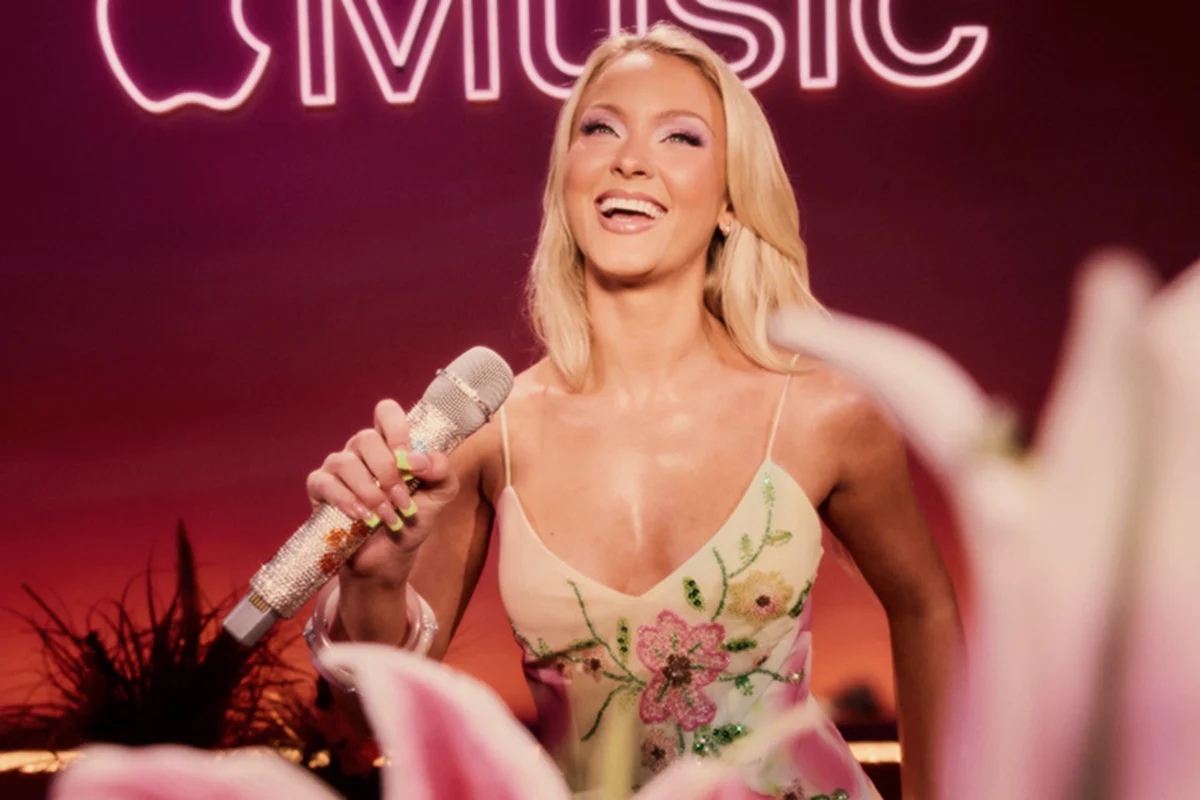
The Swedish pop powerhouse Zara Larsson is currently balancing the momentum of her latest studio album, Midnight Sun, with a strategic vision for her next artistic phase. Despite the relentless pace of the modern music industry—a landscape that often demands rapid-fire releases to maintain relevance—Larsson is choosing to lean into the current cycle, signaling that she believes there is significant narrative and commercial potential left to explore within her recent work. Speaking during a recent Apple Music x Chase Sapphire Experience concert and Q&A, Larsson articulated a philosophy of patience, emphasizing that the "Midnight Sun" era is far from its conclusion.
The Strategic Focus on Blue Moon
Central to Larsson’s current focus is the track "Blue Moon." During her appearance at the event, she described the song as the thematic "sister" to her title track, noting that it has not yet received the full promotional attention it warrants. In an era where streaming platforms and social media algorithms dictate the lifespan of a song, Larsson’s desire to grant "Blue Moon" a formal music video and a dedicated promotional push represents a deliberate attempt to counteract the "disposable" nature of digital-age music consumption.
By advocating for the longevity of specific album cuts, Larsson is positioning herself as an artist who values the integrity of the project over the immediate gratification of a quick viral hit. This approach aligns with broader industry trends where artists are increasingly looking to maximize the return on their album cycles by focusing on "slow-burn" hits that can be nurtured through consistent engagement on platforms like TikTok and through high-concept visual storytelling.
Chart Performance and Market Impact
The commercial performance of Midnight Sun underscores why the artist is keen to maintain its visibility. The project, which showcased a more refined and mature sound for the singer, reached a respectable peak of No. 36 on the Billboard 200. Furthermore, the album’s title track, "Midnight Sun," achieved significant traction, peaking at No. 13 on the Billboard Hot 100. These figures, while impressive, suggest a strong foundation upon which further growth can be built.
Data analysts in the music sector often point to the "long-tail" effect for pop albums of this caliber. By continuing to push singles like "Blue Moon," Larsson is attempting to convert initial chart peaks into sustained cultural relevance. This strategy is critical in an environment where, according to recent Luminate market reports, the majority of music discovery occurs through curated playlists and short-form video content rather than traditional radio rotation.
A Chronology of Artistic Evolution
Zara Larsson’s journey to this point has been marked by a transition from a teenage sensation to an artist in command of her own business and creative destiny. Having emerged from the Swedish music scene—an industry known for its rigorous training and high standards for songwriting—Larsson has spent years navigating the complexities of international superstardom.
Her recent live performances have become a focal point of her brand. During her current tour cycle, she has cultivated a reputation for spontaneous, high-energy shows. Notable incidents, such as the viral drone footage captured during a festival set and the organic, fan-led spectacles at Lollapalooza and in Belgium, have served as potent marketing tools. These moments have proven that Larsson’s connection with her audience is not merely performative but interactive. Her assertion that these moments "cannot be planned" highlights a shift toward authentic, human-centric performance styles that resonate with a Gen Z and Millennial demographic increasingly skeptical of overly polished, manufactured stage shows.
Scaling the Global Festival Circuit
Looking beyond the current album cycle, Larsson has identified clear milestones for her career. When prompted about the prospect of headlining Coachella, one of the most prestigious stages in the global festival circuit, Larsson did not shy away from the ambition. "That’s my dream," she stated, while maintaining a pragmatic perspective on the timing.
Her assessment of her current standing—acknowledging that she is "not quite there yet"—reflects a maturity that is often missing in rising pop stars. She envisions her future headlining slot as a "mega" event, one that is necessitated by overwhelming demand and critical acclaim. This long-term planning suggests that her management team and creative directors are focusing on building a "touring moat," where the production quality of her shows becomes a non-negotiable factor for major festival bookers.
The Intersection of Artistry and Advocacy
A significant component of Larsson’s current public persona is her willingness to engage with socio-political issues. Her recent support for artists like Macklemore, who have faced industry backlash for taking firm public stances, marks a shift in how pop stars are perceived. In the past, the industry standard was to remain neutral to avoid alienating potential listeners. However, Larsson is part of a growing cohort of artists who believe that transparency and value-based messaging foster a more loyal, albeit specific, fan base.
When included on lists of "trustworthy" artists by her fans, Larsson responded with a philosophy centered on basic goodness rather than strategic reputation management. "I just try to be a good person," she noted, expressing a belief that the majority of people are fundamentally well-intentioned. This stance, while seemingly simple, serves as a cornerstone of her brand, allowing her to weather the inevitable controversies that come with being a high-profile public figure.
Operational Independence and Future Outlook
Perhaps the most significant development in Larsson’s career is her increasing involvement in the business side of her artistry. After spending years as a product of the major label system, she is now exercising more control over the decisions that define her output. This shift toward autonomy is a common trajectory for artists who have reached a decade of tenure in the industry, yet it remains a challenging transition to navigate successfully.
Larsson admits that she is still learning, describing the process of taking control as both rewarding and complex. This hands-on approach likely dictates her current release strategy: she is not merely a performer but an active participant in the lifecycle of her music. By prioritizing the "Midnight Sun" album and resisting the pressure to rush into a new cycle, she is demonstrating a confidence that is only possible when an artist feels they are driving the vehicle themselves.
Broader Industry Implications
The implications of Larsson’s approach are noteworthy for the wider pop music industry. As streaming numbers begin to fluctuate and the "viral song" phenomenon becomes increasingly unpredictable, many artists are finding that the traditional album model requires a more thoughtful, extended promotional strategy. By treating "Blue Moon" as a priority even months after the album’s primary release, Larsson is signaling a move away from the "fast-fashion" model of music consumption toward one that treats albums as living, breathing entities.
As she moves forward, the combination of her fan-centric live performances, her evolving business acumen, and her commitment to authentic messaging will likely serve as the blueprint for her next phase. For now, however, the spotlight remains firmly on the "Midnight Sun" era. Whether or not this extended focus results in a major chart resurgence for the album, it serves as a testament to an artist who is no longer willing to let the industry dictate her pace. Larsson’s strategy is clear: she intends to hold the space she has earned, ensuring that every song on her latest project is given the light it deserves before the sun finally sets on this chapter of her career.