Reynand Wu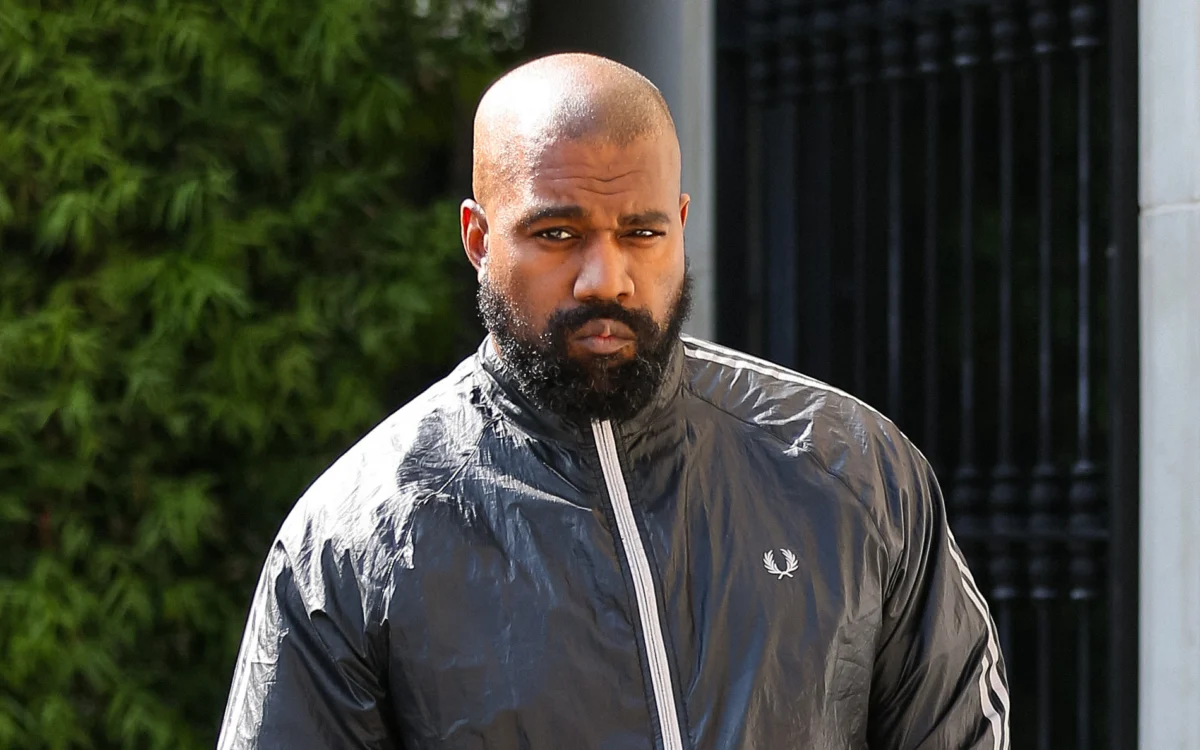
Wireless Festival, one of the most prominent fixtures in the United Kingdom’s summer music calendar, has been officially canceled following the British Home Office’s decision to deny entry to the event’s sole headliner, Kanye West, professionally known as Ye. The cancellation, announced on Tuesday, April 7, marks a significant inflection point in the ongoing global debate regarding the boundaries of artistic freedom, corporate social responsibility, and the authority of national governments to regulate the entry of controversial public figures. The decision leaves thousands of ticket holders with automatic full refunds and concludes a tumultuous period of mounting pressure from political leaders, commercial sponsors, and civil society groups.
A Chronology of the Controversy
The path to the cancellation began months prior to the announcement, escalating rapidly as the festival’s marketing campaign for the July 10–12 dates intensified. The booking of Ye as a triple-night headliner became the focal point of a national conversation in the UK, centering on his history of antisemitic rhetoric and public admiration for Adolf Hitler.
The chronology of events highlights the accelerating friction between the festival’s organizers and the public:
- Initial Announcement: Festival organizers, led by Melvin Benn of Festival Republic, unveiled Ye as the exclusive headliner for all three nights of the festival, framing the booking as an opportunity for artistic expression.
- Mounting Social Backlash: Following the announcement, various advocacy groups, including the Board of Deputies of British Jews, raised formal objections to the booking, citing the artist’s well-documented history of hate speech.
- Corporate Withdrawal: As the public outcry grew, major sponsors including Pepsi, PayPal, and Diageo issued statements severing their ties with the event, citing alignment with their internal values and corporate social responsibility mandates.
- Political Intervention: Prime Minister Sir Keir Starmer publicly addressed the situation, labeling the decision to provide a high-profile platform to an individual with a track record of promoting hate speech as "deeply concerning."
- The Visa Application: On Monday, April 6, Ye submitted an Electronic Travel Authorisation (ETA) application to enter the UK.
- The Home Office Ruling: By Tuesday, April 7, the Home Office had formally rejected the application, citing that the artist’s presence in the country would not be "conducive to the public good."
- Festival Cancellation: Within hours of the Home Office ruling, Wireless Festival issued a definitive statement confirming the total cancellation of the event.
The Home Office Mandate and Public Policy
The refusal of entry by the UK Home Office is rooted in the "conducive to the public good" clause of the UK Immigration Act. This provision grants the government the authority to bar individuals whose presence, conduct, or influence is deemed likely to cause public disorder, incite hatred, or undermine the values of a cohesive society.
Legal analysts note that while the UK has a robust tradition of free speech, the threshold for entry into the country is distinct from the domestic right to hold opinions. By denying the ETA, the Home Office effectively determined that the risk associated with the artist’s potential to incite division outweighed the commercial and cultural benefits of the festival. This move aligns with a broader trend in UK immigration policy, where the government has increasingly utilized character-based assessments for high-profile international travelers, particularly when their past behavior involves documented instances of discriminatory speech.
The Stance of Festival Republic
Prior to the government’s intervention, Melvin Benn, managing director of Festival Republic, stood firmly by the decision to host the rapper. Benn’s defense rested on a separation between the artist’s public statements and his musical catalog. In a statement released before the cancellation, Benn argued that the festival was not providing a platform for political discourse, but rather a venue for the performance of music already widely consumed on British radio and streaming platforms.
"What Ye has said in the past about Jews and Hitler is as abhorrent to me," Benn stated. "However, forgiveness and giving people a second chance are becoming a lost virtue in this ever-increasingly divisive world." Benn’s argument centered on the idea that if an artist’s music is deemed commercially acceptable by major streaming platforms and public broadcasters, their physical presence should not be barred from a stage. This perspective highlights the tension between the "cancel culture" debate and the role of commercial promoters as gatekeepers.
Impact on the Music Industry and Corporate Sponsors
The withdrawal of major corporate sponsors represents a significant financial blow to the festival industry. The exodus of brands such as Pepsi and Diageo suggests a shift in how major corporations calculate the risk of association with controversial artists. In recent years, companies have become increasingly sensitive to the "guilt by association" narrative, where sponsoring an event featuring a polarizing figure can lead to immediate social media boycotts and long-term damage to brand equity.
Data from the live music sector suggests that the cancellation will result in a multimillion-pound loss, impacting not only the promoters but also local London businesses, vendors, and hospitality providers that rely on the influx of tourists during the festival period. Furthermore, the cancellation sets a precedent for how future festivals may evaluate international headliners, likely leading to more rigorous "morality clauses" in performance contracts.
Ye’s Attempted Reconciliation
In the final hours before the Home Office reached its decision, Ye attempted to mitigate the backlash. In a public statement, the artist promised that his performances would focus on "change" and "unity, peace and love." He further offered to engage in face-to-face meetings with members of the British Jewish community to listen and participate in a "journey of healing."
The Board of Deputies of British Jews, however, maintained a firm stance. In a formal response, they stated, "We are willing to meet Kanye West as part of his journey of healing, but only after he agrees not to play the Wireless Festival this year." This reaction underscored a common sentiment among advocacy groups: that public apologies or promises of change are often viewed as transactional when linked to the pursuit of a lucrative tour or festival appearance.
A Comparative Context: Domestic vs. International Reception
The backlash in the UK contrasts sharply with the artist’s recent experience in the United States. Following the release of his latest album, Bully, Ye performed two sold-out shows at Los Angeles’ SoFi Stadium. These performances were attended by thousands, with appearances by prominent industry figures such as Lauryn Hill, Travis Scott, and Don Toliver.
This discrepancy illustrates a geographical divergence in how the consequences of hate speech are applied. While the US legal system offers broad protection under the First Amendment, the UK’s legal framework—specifically regarding public order and visa entry—provides the government with more direct tools to act against individuals whose rhetoric is deemed harmful to social cohesion. The contrast between the sold-out shows in Los Angeles and the entry ban in London highlights the complex regulatory landscape that international touring artists must navigate in an era of heightened political sensitivity.
Broader Implications for the Future of Live Entertainment
The cancellation of Wireless Festival serves as a case study for the evolving relationship between private enterprise and state regulation. As the music industry continues to globalize, artists often operate under the assumption that their commercial success acts as a buffer against political fallout. However, the events of April 7 suggest that national governments are increasingly willing to prioritize social cohesion over the commercial interests of private promoters.
For the music industry, this development necessitates a reevaluation of artist selection. Future high-profile events are likely to implement more stringent background vetting processes to avoid the financial instability of late-stage cancellations. Moreover, the incident serves as a reminder that in the modern digital age, the global reach of an artist’s rhetoric can have immediate, tangible consequences for their ability to perform on the international stage.
As the dust settles, the focus remains on whether this incident will lead to a broader dialogue on the nature of accountability for artists, or if it will simply be viewed as an isolated regulatory decision. For now, the cancellation of Wireless Festival stands as a testament to the fact that, in the eyes of the UK government, the "public good" remains a non-negotiable threshold that no level of commercial success can bypass.