 Aveline Kirana
A Legacy of Drama: The Significance of Tosca at the Met
Tosca, with its libretto by Luigi Illica and Giuseppe Giacosa, is an opera defined by political intrigue, religious tension, and raw, visceral human emotion. Set in Rome in 1800, the narrative follows the tragic intersection of the famous singer Floria Tosca, the painter Mario Cavaradossi, and the sadistic Chief of Police, Baron Scarpia. Since its premiere at the Teatro Costanzi in Rome, the opera has been a barometer for a soprano’s dramatic range and a baritone’s capacity for villainy.
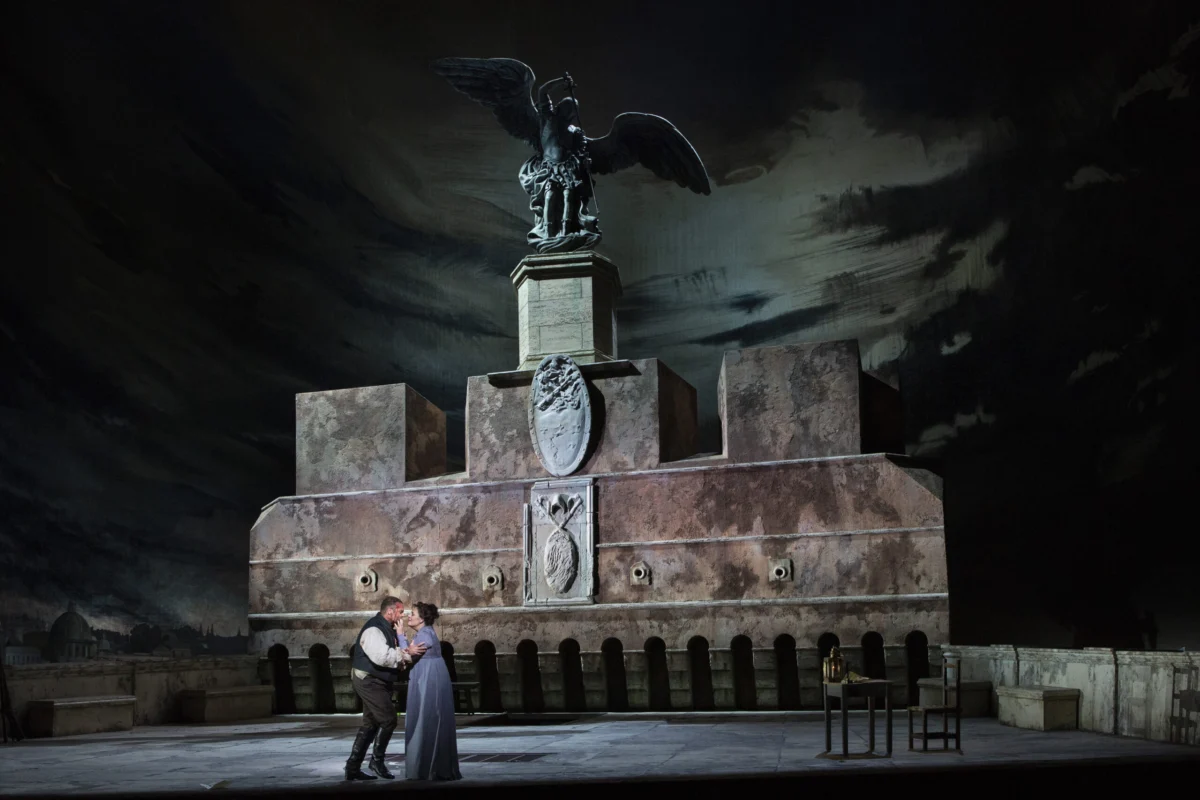
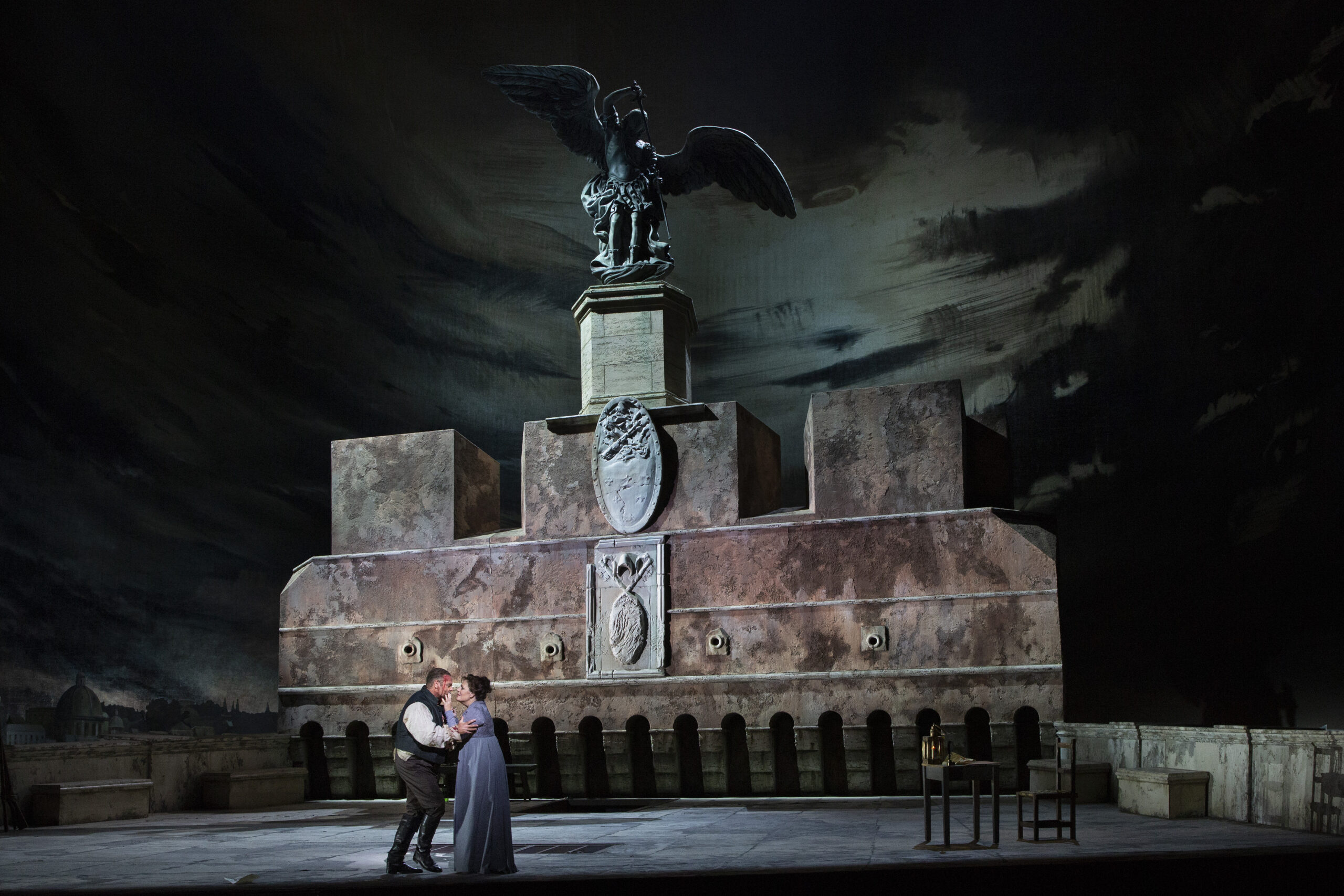
For the Metropolitan Opera, Tosca is more than a crowd-pleaser; it is a technical showcase. The production requires precise staging to handle the dramatic shifts between the serene atmosphere of the Church of Sant’Andrea della Valle, the oppressive authority of the Palazzo Farnese, and the stark, bleak reality of the Castel Sant’Angelo. By mounting 25 performances over several months, the Met is signaling a return to the long-form repertory cycles that defined the company’s programming prior to the operational disruptions of the early 2020s.
The Autumn Opening: A New Generation of Leads
The season’s initial phase, beginning November 1, introduces a highly anticipated company debut: Spanish soprano Saioa Hernández. Known for her powerful vocal projection and nuanced dramatic interpretations in Europe’s premier houses, Hernández steps into the title role during a period of transition for the company. She is paired with tenor SeokJong Baek, who takes on the role of the revolutionary sympathizer Mario Cavaradossi, and baritone Quinn Kelsey, an established presence at the Met, who portrays the menacing Baron Scarpia.
Providing the musical architecture for these opening performances is conductor Oksana Lyniv. Her involvement marks a notable highlight of the season; as one of the few women currently holding high-profile positions in the global conducting circuit, her leadership is expected to bring a fresh, perhaps more lean and driving, perspective to Puccini’s lush orchestrations. Lyniv will preside over the first six performances, establishing the tonal palette for the remainder of the autumn run.
Winter Transitions and Continued Excellence
As the production transitions into the new year, the Met will shift its cast to highlight established favorites and rising stars. On January 6, the company welcomes back soprano Aleksandra Kurzak. Having previously demonstrated a deep affinity for the verismo style, Kurzak’s return is expected to draw significant interest from the opera’s core subscriber base. She will be joined by tenor Piotr Beczała, a mainstay of the Met’s stage whose technical proficiency and lyrical phrasing remain among the finest in the industry.
The role of Scarpia during this winter period will be shared between two formidable baritones: George Gagnidze and Željko Lučić. Both singers have extensive histories with this specific production, bringing a level of consistency and dramatic weight that is essential for the second act’s high-stakes confrontations. The conducting duties will be handled by Principal Guest Conductor Daniele Rustioni and the Met’s Music Director, Yannick Nézet-Séguin. The presence of Nézet-Séguin, in particular, underscores the institutional importance of this revival, as he continues to shape the sonic identity of the Metropolitan Opera Orchestra.
The Spring Conclusion: A Multi-Generational Finale
The final leg of this Tosca cycle, beginning April 28, represents a ambitious conclusion to the run. The Metropolitan Opera has opted to rotate three distinct sopranos through the title role: Natalya Romaniw, who will be making her company debut, Eleonora Buratto, and the celebrated Sondra Radvanovsky. This rotating cast strategy is a deliberate programming choice, allowing the audience to experience the opera through different vocal registers and interpretive lenses.
The tenor roles during this final stretch will be filled by Roberto Alagna and Matthew Polenzani, two tenors whose careers have been inextricably linked with the Metropolitan Opera for decades. Their participation provides a sense of continuity, bridging the gap between the traditional Met sound and the evolving demands of modern staging. They will be accompanied by the vocal power of baritone Amartuvshin Enkhbat and the return of Željko Lučić as Scarpia. The conductors for this final block, Karel Mark Chichon and Marco Armiliato, are both seasoned veterans of the Italian repertoire, ensuring that the musical standards of the production remain high through the May 27 closing night.
Accessibility and Global Reach
The Metropolitan Opera’s strategy for this production extends beyond the physical walls of the opera house. In an era where digital engagement is paramount, the company has scheduled five performances for broadcast via the SiriusXM app. These broadcasts—occurring on November 6, January 9, April 28, May 4, and May 27—are designed to capture a global audience that may not be able to attend in person.
Furthermore, the January 9 broadcast will be distributed via The Robert K. Johnson Foundation–Metropolitan Opera International Radio Network. This distribution channel is a vital component of the Met’s long-standing mission to democratize access to world-class opera. By leveraging satellite and international radio networks, the organization ensures that the artistic output of its singers and musicians reaches a demographic far exceeding the 3,800-seat capacity of the house.
Implications for the Metropolitan Opera
The decision to commit to such a robust schedule for Tosca suggests several things about the current state of the industry. First, the Met is banking on the "star power" of its lead singers to drive ticket sales. The reliance on established names like Alagna and Radvanovsky, while simultaneously introducing new talent like Hernández and Romaniw, suggests a balanced approach to risk management.
Second, the involvement of multiple conductors indicates an effort to maintain artistic rigor over a long period. Conducting a major production for 25 performances can lead to complacency; by rotating the podium, the company ensures that the orchestra and the singers remain engaged and that the interpretation stays dynamic.
Finally, the inclusion of Tosca in this capacity serves as an economic anchor. While the Met has made significant strides in commissioning new, contemporary works, the traditional repertoire remains the engine that sustains the institution’s operating budget. Tosca is, by almost every metric, the safest and most reliable investment in the operatic canon. Its ability to sell out houses while providing a platform for complex, emotive performances remains unparalleled.
As the Metropolitan Opera moves toward the 2026 conclusion of this run, the production will likely be assessed not just by the individual performances, but by the company’s ability to manage such a complex logistical operation. The coordination required to manage three different sets of leads and multiple conducting transitions is significant. Should this model prove successful, it may well define the blueprint for how the Met manages its "big-ticket" revivals in future seasons. For the audience, the result is a rare opportunity to witness the evolution of a single production over two calendar years, offering a comprehensive look at how different artists interact with one of the most demanding roles in the soprano repertoire.