 Aveline Kirana
On December 6, 2026, the cultural landscape of New York City will witness a significant convergence of classical music and civic engagement as The Orchestra of The Bronx, under the baton of founder and conductor Michael Spierman, returns to the Lovinger Theater at Lehman College. The ensemble is set to perform George Frideric Handel’s timeless masterpiece, "Messiah," in a production that emphasizes the intersection of high art and local community identity. This specific iteration of the oratorio distinguishes itself through a unique collaborative format, featuring more than 20 guest speakers drawn from the fabric of Bronx society who will intersperse the musical movements with readings of the work’s foundational scriptural passages.
The Historical Significance of Handel’s Messiah
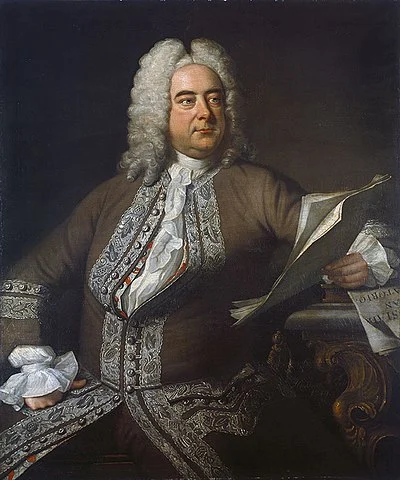
George Frideric Handel’s "Messiah" occupies a singular position in the Western canon. Composed in 1741, the work premiered in Dublin on April 13, 1742, at the New Music Hall on Fishamble Street. The libretto, compiled by Charles Jennens, serves as a meticulous arrangement of texts from the King James Bible and the Book of Common Prayer. Jennens, an English landowner and patron of the arts, intended the work to provide a comprehensive narrative of the Christian theological arc—encompassing prophecy, birth, sacrifice, and eventual triumph.
The work’s longevity is attributed to its structural brilliance and emotional resonance. Unlike standard operatic forms of the 18th century, "Messiah" functions as a concert oratorio, eschewing theatrical staging in favor of musical narrative. By integrating guest speakers into the 2026 production, The Orchestra of The Bronx is, in effect, returning to the spirit of public proclamation that characterized the work’s earliest performances, albeit through a modern lens that prioritizes community inclusivity over ecclesiastical tradition.
The Vision of Michael Spierman and The Orchestra of The Bronx
For Michael Spierman, this concert represents more than a seasonal staple; it is an exercise in institutional philosophy. As the founder of The Orchestra of The Bronx, Spierman has spent decades cultivating an organization dedicated to bringing symphonic music to the outer boroughs, often defying the prevailing trend that positions such performances exclusively within Manhattan’s elite venues.
The decision to invite a diverse array of guest speakers—ranging from local political figures and university presidents to waiters, small business owners, and honor students—serves a dual purpose. First, it democratizes the performance, shifting the focus from the virtuosity of the ensemble alone to the collective voice of the neighborhood. Second, it mirrors the diverse socio-economic reality of the Bronx, a borough that has historically been underserved by major cultural institutions. By positioning a local student alongside a university administrator, the production asserts that the "Messiah" belongs to the public domain in the truest sense.
Chronology and Logistics
The December 6 performance is the culmination of months of logistical coordination. Preparation for a work as massive as "Messiah" typically involves rigorous orchestral rehearsals, choral preparation, and the synchronization of the spoken word components.
- October 2026: Initial rehearsals for the orchestral score begin, focusing on the specific Baroque performance practices favored by Spierman.
- November 2026: Guest speakers are finalized, and workshops are conducted to ensure that the rhythmic cadence of the readings complements the pacing of the score.
- Early December 2026: Final technical rehearsals at the Lovinger Theater, including acoustic balancing between the orchestra and the amplified speakers.
- December 6, 2026: The performance takes place, with doors opening to the public for a non-ticketed, free-admission event, emphasizing accessibility.
Analysis of the Community-Centric Model
The choice of venue, the Lovinger Theater at Lehman College, is significant. As a hub of higher education within the City University of New York (CUNY) system, the theater provides a neutral, intellectually stimulating environment that welcomes both the academic community and the general public.

From an economic perspective, the decision to offer free admission is a bold statement on the accessibility of classical music. In an era where ticket prices for major orchestral performances in New York City have risen significantly, The Orchestra of The Bronx is challenging the "pay-to-play" model of classical arts consumption. By removing the financial barrier, the organization is testing the hypothesis that community engagement is the most effective path toward long-term institutional sustainability.
Furthermore, the participation of local Bronx stakeholders—specifically those outside the professional music or political sphere, such as service industry workers—adds a layer of social commentary to the performance. It suggests that the "Messiah," often viewed as a lofty or exclusionary artifact of European history, remains relevant to the daily lives of 21st-century urban residents. This approach aligns with the growing "arts for all" movement, which advocates for the integration of high-culture institutions into the daily social fabric of diverse neighborhoods.
Broader Impact and Cultural Implications
The impact of this production extends beyond the evening of December 6. By involving local leaders and residents as active participants, the project builds institutional goodwill. For the students involved, the experience of sharing a stage with professional musicians provides a tangible link between their local education and global artistic traditions.
From a sociological standpoint, the inclusion of such a broad cross-section of the Bronx population acts as a microcosm of the borough’s resilience. The Bronx has seen significant demographic and economic shifts over the last decade; by centering the performance on the voices of those who live and work in the area, the production honors the continuity of the community.
Official Perspectives and Artistic Intent
While specific statements from the participants remain private until the performance date, the ethos of the event is clear. Representatives from The Orchestra of The Bronx have frequently noted that their mission is to "bring the music to the people." This is not a passive concert; it is a collaborative project. The juxtaposition of professional classical music with the voices of local residents is intended to highlight the universality of the themes presented in Jennens’ libretto.
The integration of speakers also serves to break the traditional silence of the concert hall. In most classical music settings, the audience remains a silent observer. Here, the speakers represent the audience, bridging the gap between the conductor’s podium and the seats. It is an acknowledgment that the "Messiah" is a living, breathing work that evolves with the people who perform and listen to it.
Conclusion: A Landmark Event for the Bronx
As the date approaches, the anticipation surrounding the event highlights the hunger for high-quality, accessible cultural programming in the Bronx. The Orchestra of The Bronx, under Michael Spierman’s leadership, has once again demonstrated that artistic excellence does not require exclusion.
By combining the structural majesty of Handel’s 1742 masterpiece with the lived experiences of the 2026 Bronx community, the upcoming performance at the Lovinger Theater is poised to be a landmark moment in the borough’s cultural calendar. It serves as a reminder that the most powerful performances are those that connect the historical past with the present-day realities of the people they are intended to serve. As the city looks forward to the December 6 performance, the event stands as a testament to the enduring power of collaborative, community-focused art. The Orchestra of The Bronx has effectively created a space where the divine echoes of the 18th century meet the urgent, vibrant voices of the 21st-century Bronx.