 Aveline Kirana
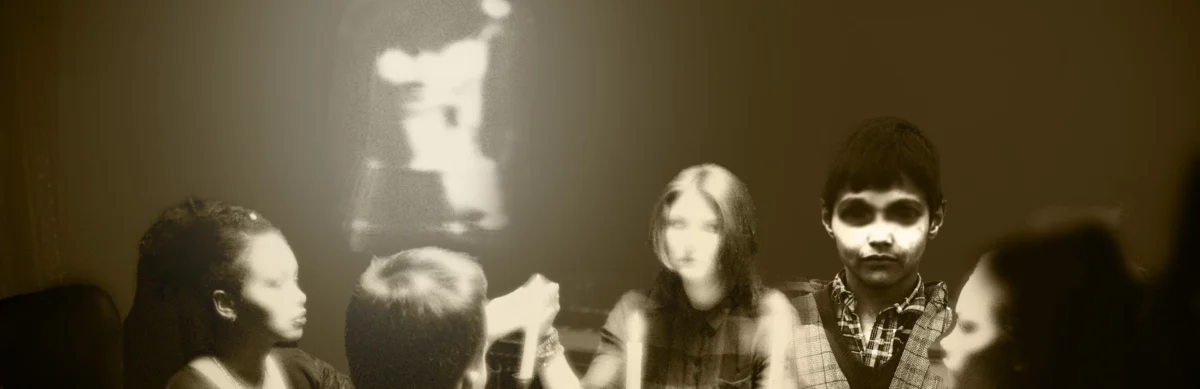
The production represents a significant milestone for the Universidad Nacional de las Artes (UNA), as it continues its mission to bridge the gap between academic musical training and professional-level operatic performance. By selecting Gian Carlo Menotti’s 1946 masterpiece, The Medium, the institution provides its students and resident artists with an opportunity to engage with one of the most psychologically complex chamber operas of the 20th century. The performances, which run through October 30, are offered to the public free of charge, reflecting the university’s commitment to community engagement and cultural accessibility in the heart of Buenos Aires.
Artistic Leadership and Production Design
The success of a chamber opera—a genre defined by its intimacy and intense dramatic focus—relies heavily on the synergy between the musical direction and the staging. In this production, the leadership team is comprised of seasoned professionals tasked with guiding the students of the DAMus opera company. Marta Blanco assumes the role of musical director, overseeing the sonic architecture of the piece, while Bea Odoriz serves as the stage director. Odoriz is tasked with navigating the dark, suspenseful terrain of Menotti’s libretto, which explores themes of deception, faith, and the fragility of the human psyche.
The production is bolstered by the presence of guest conductor Samuel Valenzuela Díaz, who will lead the UNA Symphony Orchestra. The orchestra, which functions under the guidance of principal conductor Fernando Albinarrate, serves as the engine of the performance. The score of The Medium is notoriously demanding, requiring precise timing to match the shifting moods of the characters. Pianists Aldo Ayala and Sebastián Napolitano contribute further to the textural complexity of the production, providing the percussive and harmonic backbone required for Menotti’s specific brand of musical tension.
Visual continuity is managed by designer Mariela Daga, who is responsible for both the costumes and the set. Given the claustrophobic nature of the opera—which takes place almost entirely within the cramped, spirit-filled living room of Madame Flora—Daga’s work is instrumental in establishing the atmosphere. Her design choices are expected to reflect the mid-century grit of the play while allowing the performers the necessary space to execute the intricate physical demands of their roles.
A Diverse Cast of Emerging Talent
The casting for this production is notable for its double-casting approach, allowing multiple students the opportunity to inhabit the challenging roles written by Menotti. This pedagogical strategy ensures that the university maximizes its training output, offering young vocalists a chance to master the nuances of character development.
The central figure of Madame Flora will be portrayed by Agostina Paula Tudisco and Sabrina Contestabile. The role is a tour-de-force for a mezzo-soprano or contralto, requiring a performer to convey both the performative deception of a fake medium and the eventual unraveling of her mental stability. The role of Mónica, Flora’s daughter and unwitting accomplice, will be shared by Sofi Di Nicola and Marianella Nervi Fadol.
The supporting characters, which provide the external pressure that leads to the story’s tragic climax, include Mr. and Mrs. Gobineau, played by Nacho Suares Christiansen, Félix Cordero, Lara Pizarro, and Ximena Bazán. The role of the grieving Mrs. Nolan will be performed by Lucía Cuesta Lazzaro and Melisa Rulli. Finally, the non-speaking, physically demanding role of Toby—the mute boy who acts as the primary catalyst for the final act’s violence—will be played by Matias Pollitzer. This ensemble of performers represents a cross-section of the talent currently emerging from the DAMus program.
Contextual Background of The Medium
Gian Carlo Menotti’s The Medium first premiered at Columbia University in 1946 before moving to Broadway in 1947. It is widely considered one of the most successful examples of 20th-century American opera, specifically designed to be accessible to audiences who might not have been traditional opera-goers.
The plot centers on Madame Flora, a charlatan who conducts fake séances for grieving parents. When she begins to experience genuine supernatural phenomena during a session, her skepticism turns into paranoia, leading to a violent and tragic conclusion. The opera’s brevity—it typically runs under an hour and a half—and its intense, cinematic score made it a staple of the repertoire. For the students at UNA, performing this work is an exercise in "verismo" or realism, requiring them to balance vocal technique with a high degree of dramatic naturalism.
Institutional Objectives and Academic Impact
The Universidad Nacional de las Artes has long functioned as a primary incubator for classical music talent in Argentina. The Compañía de Ópera del DAMus serves as the practical laboratory for these students, allowing them to move beyond the practice room and into the collaborative environment of a staged production.
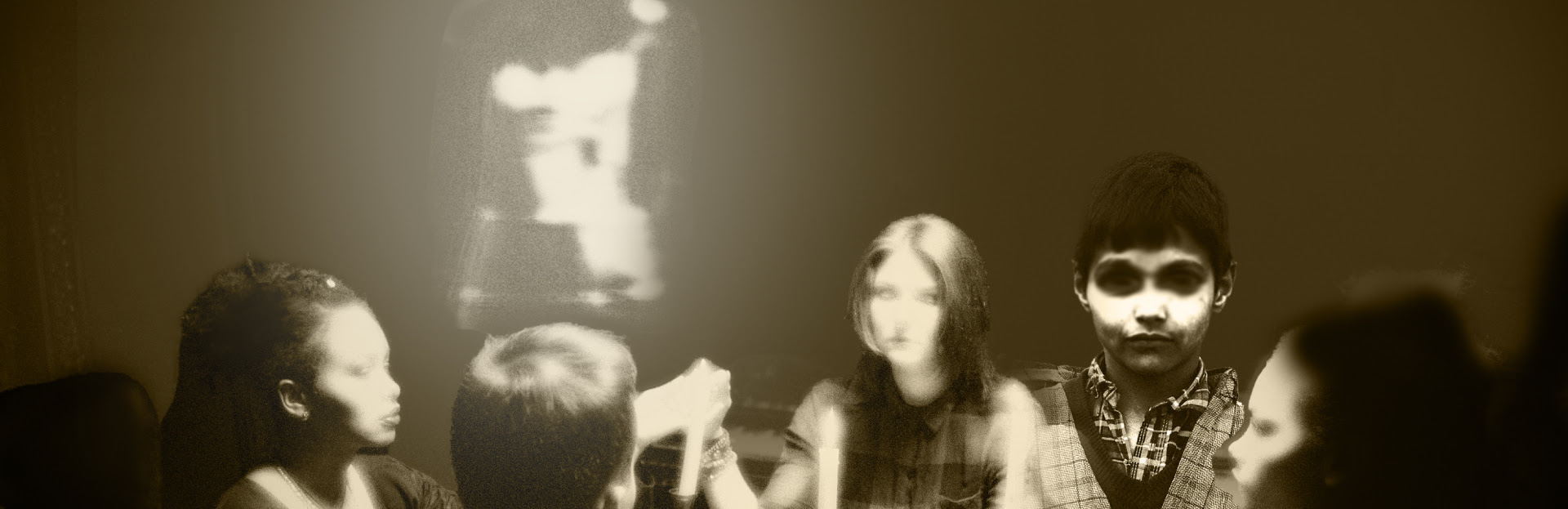
The decision to offer these performances for free is a key component of the university’s outreach strategy. By removing the financial barrier to entry, the institution invites a wider demographic of the Buenos Aires public to engage with the operatic form. This is particularly relevant in the context of the current economic climate in Argentina, where access to high-culture performances can often be restricted by rising costs.
Furthermore, the involvement of the UNA Symphony Orchestra under the direction of Fernando Albinarrate highlights the interdisciplinary nature of the school. The collaboration between instrumentalists and vocalists is essential for the development of professional-grade musicians. By placing these students in an environment where they must manage rehearsals, technical setups, and public performances, the university is effectively bridging the gap between student status and professional readiness.
The Chronology of the Production
The performance schedule is condensed into a four-day window:
- October 27: Opening night, setting the stage for the limited engagement.
- October 28–29: Mid-run performances, allowing for cast rotations and performance refinement.
- October 30: Final performance, marking the conclusion of the production cycle for this semester.
This short, intensive run is common in academic settings, forcing performers to quickly internalize the staging and maintain consistency across a short period. It also allows the university to rotate cast members efficiently, ensuring that as many students as possible receive credit for their participation in the production.
Analytical Implications: The Future of Operatic Training
The staging of The Medium at the Auditorio Julio García Cánepa serves as a barometer for the current state of vocal and theatrical training at the university level in Buenos Aires. Analysis of such productions suggests that there is a growing trend toward "chamber-scale" works, which are more sustainable to produce than grand operas and often provide a more intimate, effective training environment for young artists.
The use of guest conductors and professional-level designers indicates that the university is not operating in a vacuum. By inviting external professionals like Samuel Valenzuela Díaz into the academic space, the university facilitates a mentorship model. Students learn not just from their professors, but from those currently working in the professional opera industry. This exposure is vital, as it provides students with networking opportunities and a realistic view of the industry’s standards and expectations.
Moreover, the psychological depth required to perform Menotti’s characters pushes these students to develop their acting skills alongside their vocal technique. The modern opera industry increasingly demands singers who are also capable actors, and The Medium provides the perfect vessel for this integration. The ability to convey silence, fear, and desperation—as is required of the character Toby, for instance—is as important as the ability to project a clear tone.
Community and Cultural Significance
The choice of the Auditorio Julio García Cánepa as the venue is significant. It is a space designed for acoustic clarity, making it ideal for the chamber-sized orchestra and vocal ensemble required for Menotti’s score. The accessibility of the venue and the free admission policy are deliberate choices to cultivate new audiences for opera. In an era where many institutions are struggling to maintain relevance with younger generations, the DAMus program’s focus on intense, dark, and compelling stories like The Medium is a tactical move to maintain engagement.
As the production prepares for its late-October debut, the surrounding community of arts enthusiasts and students looks to this event as a showcase of the talent residing within the UNA. The success of this endeavor will likely influence the university’s future programming choices and its continued efforts to support the development of the next generation of Argentine operatic talent. By maintaining this commitment to excellence, the university ensures that it remains at the center of the regional conversation on classical arts, demonstrating that even with limited resources, a high-quality production can be achieved through disciplined preparation, academic rigor, and a commitment to the craft.
The performances, therefore, are not merely an academic requirement for the participants; they are a public declaration of the vitality of the opera program at the Universidad Nacional de las Artes. As the curtains rise on October 27, the audience will witness the culmination of months of rigorous rehearsal, marking another successful chapter in the history of the DAMus company.