 Johan Budi
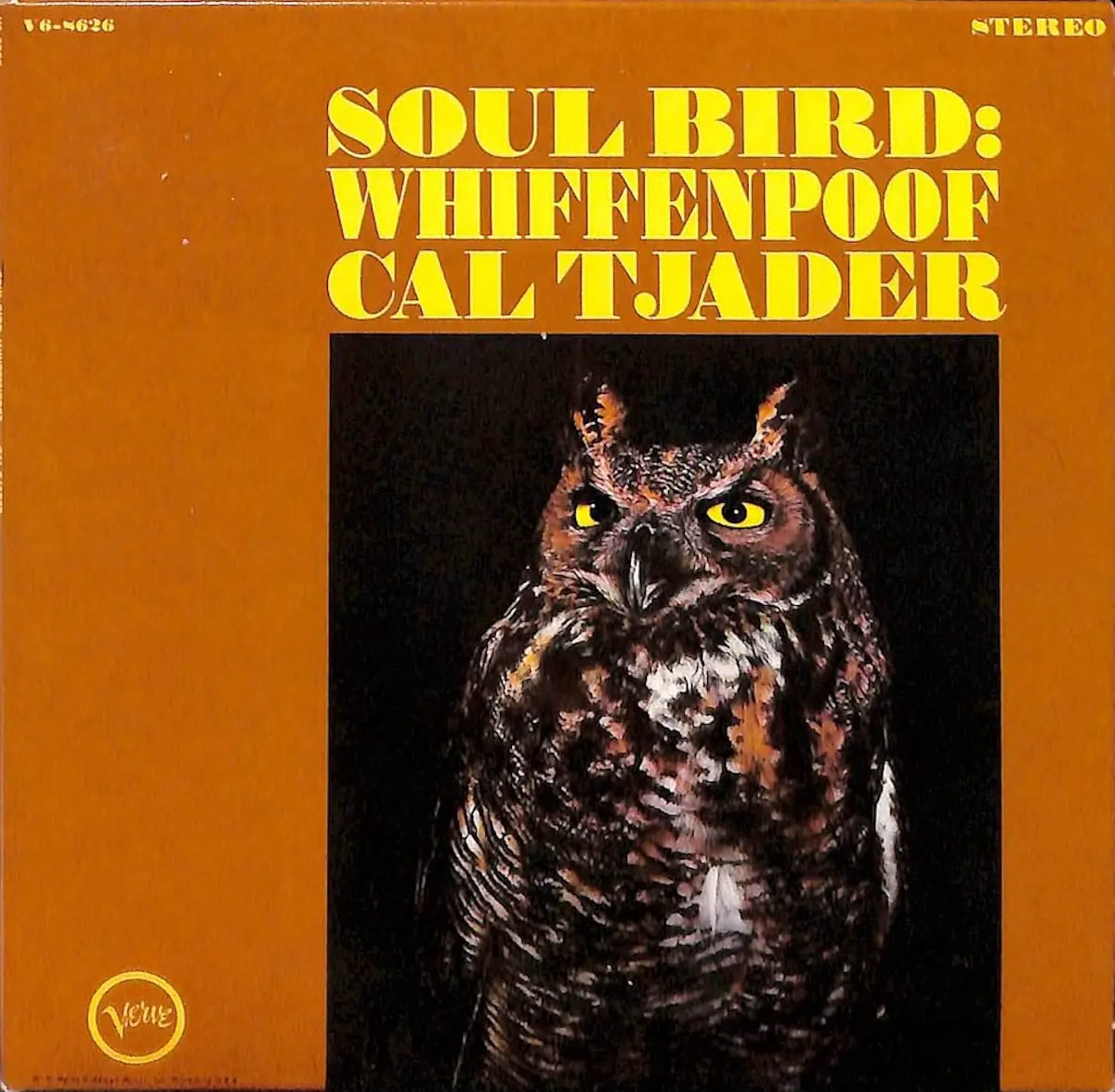
In the mid-1960s, the landscape of American jazz was undergoing a profound and contentious transformation. As commercial pressures mounted and popular music shifted toward rock, soul, and pop sensibilities, record labels increasingly sought crossover appeal. Among the most prominent figures navigating this turbulent artistic intersection was vibraphonist Cal Tjader. Six decades ago, writing in the October 1966 issue of Jazz Journal, critic Michael Shera did not mince words regarding Tjader’s output, specifically targeting his album Soul Bird and the broader commercial strategies employed by Verve Records producer Creed Taylor.
Shera’s review captured a pivotal ideological battleground within jazz criticism: the friction between artistic purism and commercial viability. While mainstream audiences embraced the infectious rhythms of Latin-soul and pop-jazz hybrids, traditional critics often viewed these developments as a dilution of the art form. This retrospective examination explores the historical context of Shera’s critique, the production philosophy of Creed Taylor, the specific anatomy of the Soul Bird recording sessions, and the lasting implications of the 1960s pop-jazz movement on the genre’s evolution.
The Ideological Divide: Jazz Criticism in the Mid-1960s
During the autumn of 1965 and throughout 1966, jazz publications on both sides of the Atlantic were forced to reckon with a changing marketplace. The rise of rock and roll, spearheaded by the British Invasion and the explosion of Motown, had severely eroded the market share of traditional jazz. Record executives faced a stark choice: adapt to shifting consumer tastes or watch their labels become financially unviable.
Creed Taylor, serving as a master architect at Verve Records during this era, chose adaptation. Taylor possessed an uncanny instinct for commercial trends, recognizing that pairing jazz virtuosos with accessible pop melodies, bossa nova rhythms, and soul-jazz grooves could capture a broader, younger demographic. However, this strategy drew sharp rebukes from critics like Michael Shera. For purists of the period, jazz was expected to maintain a rigorous intellectual and harmonic standard. When artists like Cal Tjader, Kai Winding, and Stan Getz recorded material tailored for easy listening or dance floors, traditionalists perceived a betrayal of the genre’s core aesthetic values.
Shera’s review of Soul Bird epitomized this orthodox viewpoint. Declaring the record to be "not of the slightest concern to readers of Jazz Journal," Shera dismissed the music as harmless background sound rather than demanding art. His critique was not merely directed at Tjader as a performer, but at the systematic commercialization of jazz under corporate directives.
Anatomy of a Session: Behind the Making of Soul Bird
Recorded across two distinct phases in the summer of 1965, Soul Bird represented the quintessential Verve production formula of the era. The sessions took place in New York City on June 1 and 2, 1965, followed by follow-up dates at Rudy Van Gelder’s renowned studios in Englewood Cliffs, New Jersey, on July 21 and 22, 1965.
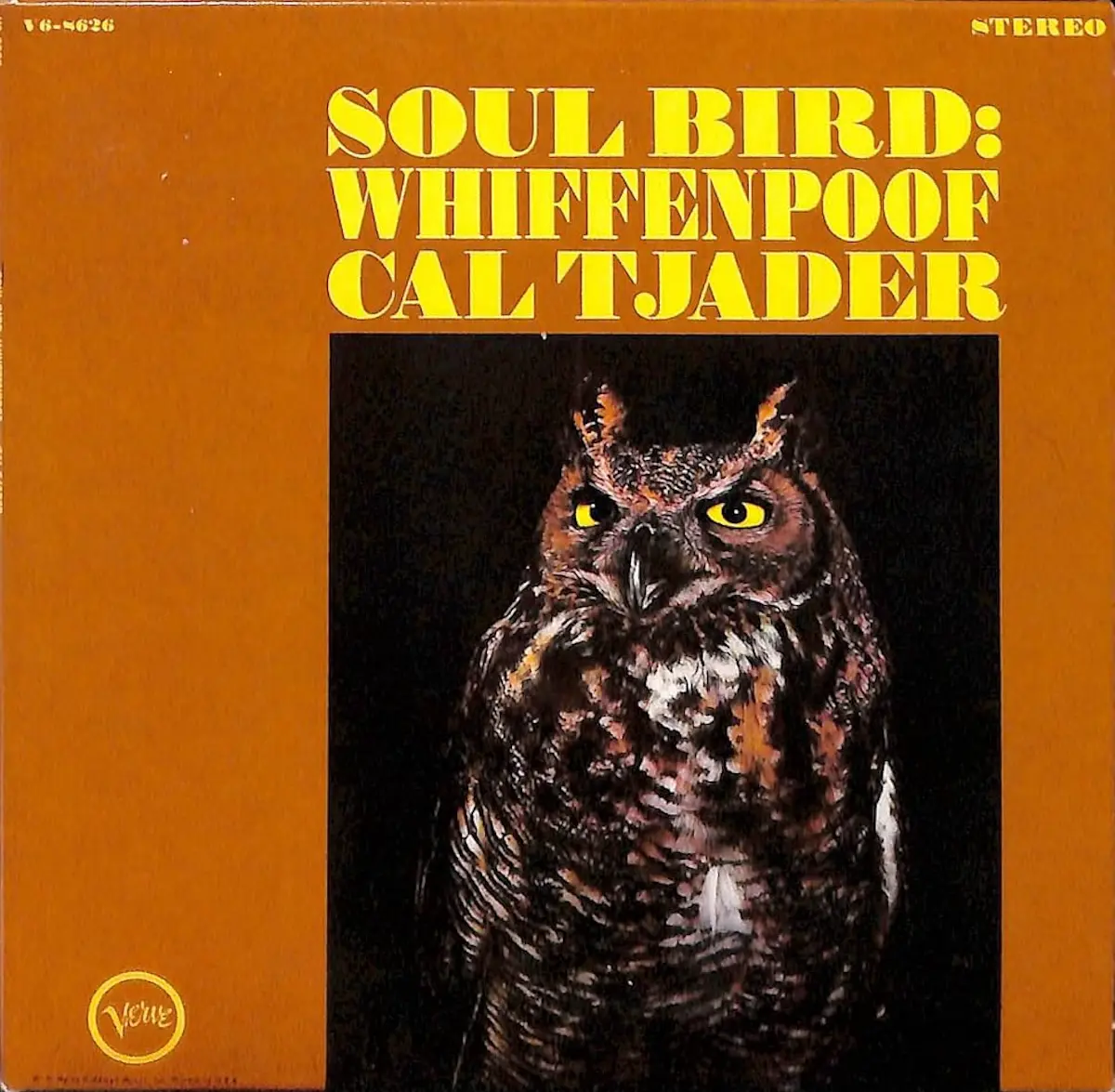
The album featured an elite ensemble of session players who balanced technical proficiency with commercial adaptability. The core lineup featured Cal Tjader on vibraphone, supported by pianists Paul Griffin and Lonnie Hewitt, bassists Richard Davis and Terry Hilliard, drummers Sol Gubin and Grady Tate, and percussionist Armando Peraza. The inclusion of heavyweights like Richard Davis and Grady Tate ensured a formidable rhythmic foundation, even as the arrangements leaned into lighter, more approachable textures.
The track listing itself reflected a diverse repertoire designed to appeal to varied listener preferences, blending contemporary pop covers, jazz standards, and Latin-infused compositions:
-
Side One (approx. 18½ minutes):
- The Whippenpoof Song
- Soul Bird
- How High The Moon
- That’s All
- Soul Motion
- Reza
-
Side Two (approx. 20½ minutes):
- The Prophet
- Sonny Boy
- Doxy
- Samba De Orfeu
- Shiny Stockings
- Daddy Wong Legs
Released under Verve Records with the catalog number VLP 9136 and retailed at the time for 32 shillings and sixpence, the album aimed squarely at the crossover market. The juxtaposition of sophisticated modal and bop vehicles—such as Sonny Rollins’s "Doxy" and Frank Foster’s "Shiny Stockings"—alongside pop-inflected Latin grooves illustrated the balancing act Tjader and his producers attempted to maintain.
Creed Taylor and the Verve Production Philosophy
At the heart of Michael Shera’s 1966 critique was an indictment of Creed Taylor’s overarching recording policy. Taylor, who would later go on to found CTI Records, was arguably the most influential jazz producer of the 1960s in terms of commercial impact. His philosophy rested on the belief that jazz could be dressed in accessible arrangements—utilizing lush strings, bossa nova beats, and contemporary pop tunes—without losing its inherent groove.
Under Taylor’s direction, Verve achieved massive commercial success. Stan Getz’s collaborations with Antônio Carlos Jobim, particularly Getz/Gilberto, brought bossa nova to the forefront of American popular culture and yielded global hit records. Similarly, Cal Tjader’s exploration of Latin jazz found a welcoming home at Verve, where his recordings bridged the gap between Afro-Cuban percussion and easy-listening jazz sensibilities.

However, critics argued that this formulaic approach compromised artistic integrity. Shera contended that Taylor’s primary consideration was volume of sales, writing that big sales were "no matter who is sacrificed." In the view of contemporary critics, artists of the caliber of Tjader, Winding, and Getz were being steered away from innovative, challenging improvised music toward predictable, easily digestible formulas designed for background entertainment rather than active listening.
Industry Implications and Commercial Realities
From a financial perspective, Creed Taylor’s strategy was entirely vindicated by the marketplace. The mid-1960s consumer market demanded mood music, cocktail jazz, and danceable beats. Albums like Soul Bird found an appreciative audience among young adults who enjoyed the sophisticated timbre of the vibraphone and saxophone, but preferred infectious Latin-soul grooves over abrasive free jazz or complex modal explorations.
Yet, the tension highlighted by Shera underscores a permanent schism in music history: the eternal debate between commercial survival and artistic purity. Record labels functioned as corporate entities requiring profitability to survive, a reality that often put producers at odds with critical gatekeepers. While critics guarded the intellectual boundaries of jazz, producers and artists negotiated the economic realities of the recording industry.
Cal Tjader himself remained largely unperturbed by such critical gatekeeping. Throughout a career spanning decades, he successfully popularized Latin jazz in the United States, introducing countless listeners to Afro-Cuban rhythms, bossa nova, and tropicalia. His ability to straddle the worlds of jazz club sophistication and accessible Latin groove made him a unique figure in 20th-century American music, even if it occasionally drew the ire of orthodox critics.
Retrospective Analysis: Re-evaluating the Pop-Movement Era
Six decades after Michael Shera’s review was first published in Jazz Journal, the critical consensus surrounding the pop-jazz movement of the 1960s has undergone a quiet evolution. What was once dismissed by contemporaries as "musical rubbish" or mere background noise is now frequently appreciated for its sophisticated craftsmanship, impeccable musicianship, and distinctive production aesthetic.
Today, crate-diggers, hip-hop producers, and contemporary jazz enthusiasts routinely re-examine albums like Soul Bird. The seamless fusion of Latin percussion, soulful piano voicings, and pristine Rudy Van Gelder engineering is recognized not as a betrayal of jazz, but as a vital stepping stone in the genre’s ongoing cross-pollination with global musical traditions.
Michael Shera’s 1966 critique remains a fascinating historical artifact—a window into a moment when the boundaries of jazz were fiercely contested. While his dissatisfaction with the commercialization of artists like Cal Tjader reflected the genuine concerns of a dedicated jazz press, history has proven that the pop-jazz movement left an enduring legacy of rhythm, accessibility, and cross-cultural exchange that continues to resonate across the musical landscape today.