 Kholidah
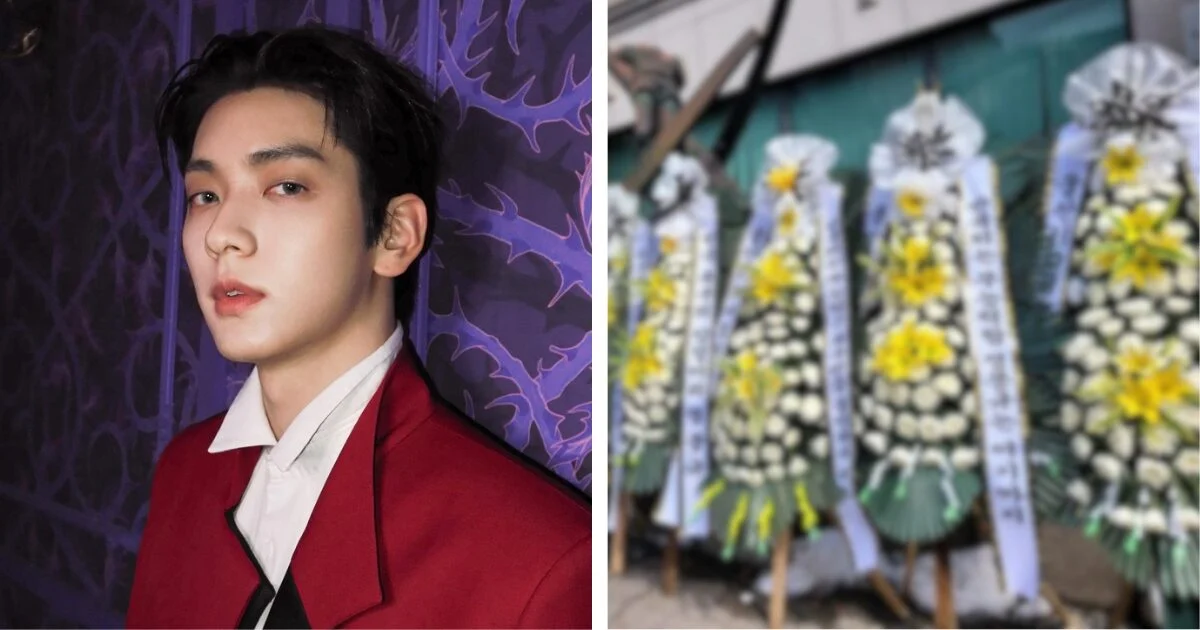
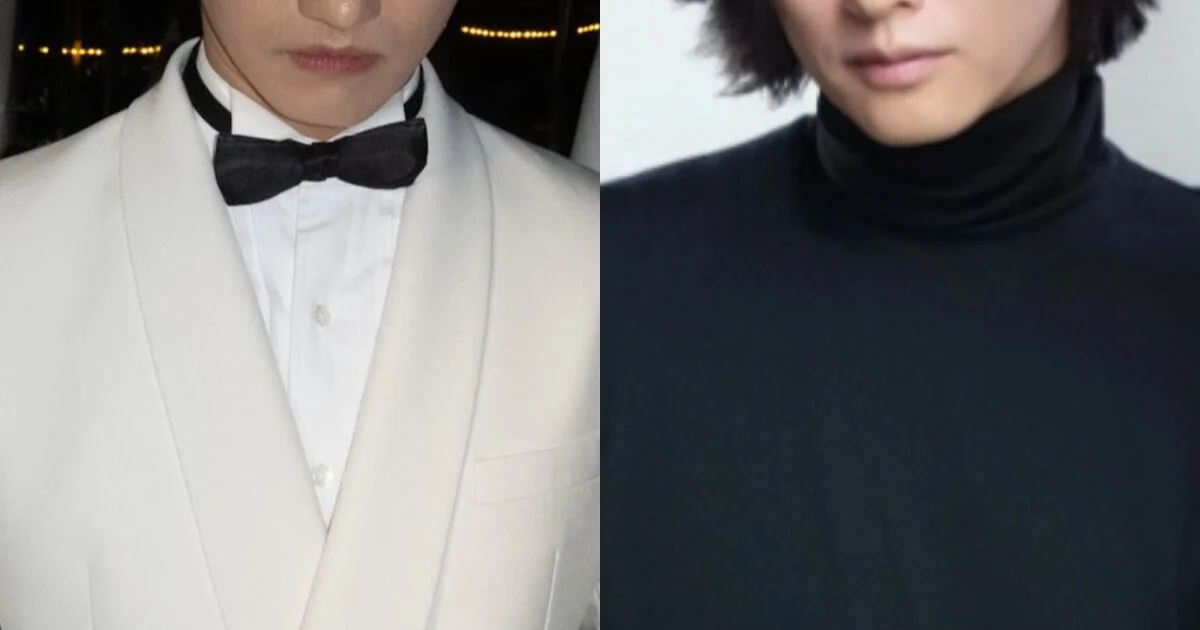
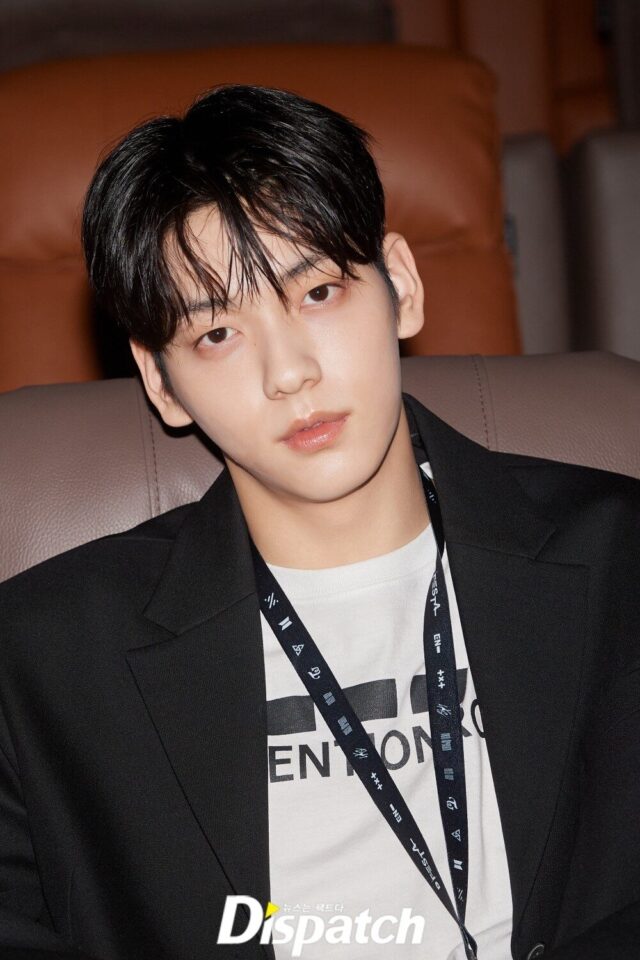
The K-pop industry is currently grappling with a significant escalation in digital harassment, centering on a series of malicious deepfake images targeting Soobin, a prominent member of the boy group Tomorrow X Together (TXT). As the controversy unfolds, a growing segment of the fan base has vocalized profound dissatisfaction with the management response provided by HYBE and its subsidiary, BIGHIT MUSIC. The situation, which involves the non-consensual synthesis of sexually suggestive imagery, has evolved from a matter of digital privacy to a broader debate regarding corporate accountability and the protection of artists in an era of advanced artificial intelligence.

Chronology of the Controversy
The incident originated with the circulation of AI-generated imagery depicting Soobin in compromised and disparaging contexts. The emergence of these images triggered an immediate and widespread outcry among the fan community, commonly known as MOA. As these images proliferated across social media platforms, fans began to demand that the agency take decisive legal action to identify the perpetrators and remove the infringing content.
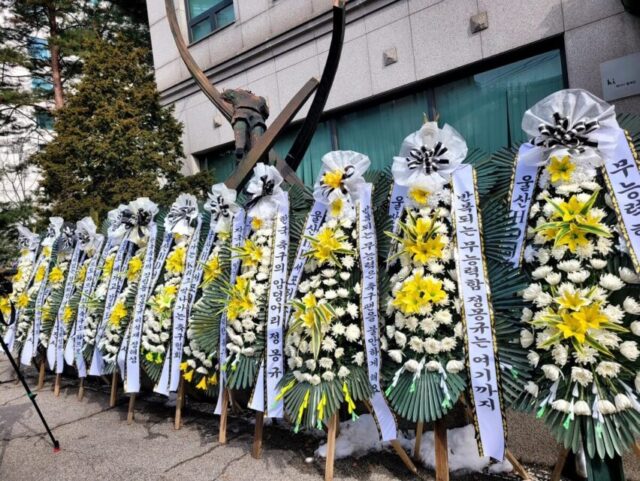
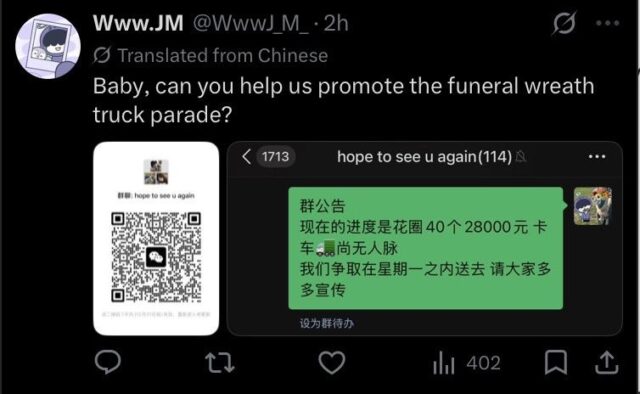
On October 26, 2026, tensions reached a critical inflection point when reports surfaced concerning organized plans for a formal protest. These plans, which allegedly involve the use of funeral-style flower wreaths and protest trucks, are intended to signal the intensity of fan disappointment regarding what is perceived as a sluggish or inadequate response from the company. The emergence of donation drives, particularly those circulating on platforms in Chinese, suggests a coordinated effort to mobilize physical pressure against the HYBE headquarters in Seoul.

Throughout this period, the members of TXT themselves have appeared to acknowledge the strain caused by these digital intrusions. During a recent live stream, subtle references to the current state of affairs further galvanized the fan base, leading many to believe that the impact of these malicious acts is being felt personally by the artist, rather than being treated strictly as an administrative issue by the company.
The Rise of Deepfake Harassment in K-Pop
The targeting of Soobin is not an isolated event but rather a symptomatic development in the broader landscape of digital abuse facing South Korean entertainment figures. Deepfake technology, which allows for the realistic overlay of faces onto existing videos or photographs, has lowered the barrier to entry for malicious actors seeking to harass, defame, or sexually objectify public figures.
According to data from cybersecurity researchers tracking digital violence in South Korea, the number of reported cases involving non-consensual AI-generated content has seen a year-over-year increase of approximately 40% in the entertainment sector. The anonymity provided by decentralized social media platforms often complicates legal efforts to trace these images to their source, creating a "whack-a-mole" scenario for legal teams tasked with protecting their artists’ reputations.
Corporate Response and Institutional Challenges
HYBE, as one of the largest entertainment conglomerates in the world, maintains a dedicated legal department specifically tasked with monitoring and addressing the defamation of its artists. However, the current criticism highlights a fundamental disconnect between the expectations of the fan base and the operational pace of corporate legal proceedings.
BIGHIT MUSIC has previously issued statements regarding its commitment to protecting its artists. These statements typically outline a multi-pronged approach: constant monitoring of online communities, the collection of evidence through fan-submitted reports, and the filing of criminal complaints against individuals identified as spreading harmful content. Despite these assurances, the fans’ move to initiate a physical protest indicates that these standard measures are, in the eyes of the supporters, insufficient to curb the immediate damage caused by the deepfake scandal.
The use of funeral wreaths—a traditional, albeit grim, method of protest in South Korean corporate culture—carries heavy symbolic weight. By deploying these at the company’s office, protesters are signaling that they view the agency’s lack of visible, rapid results as a failure that effectively "kills" the artist’s digital safety and public image.
Legal and Ethical Implications
The legal framework surrounding digital deepfakes is currently undergoing significant scrutiny in South Korea. The government has signaled intentions to implement stricter penalties for the production and distribution of such content, recognizing that current defamation laws may not fully account for the psychological and reputational harm caused by advanced AI.
For agencies like HYBE, the dilemma is multifaceted. While they are bound by the need to protect their talent, the nature of internet-based harassment means that aggressive legal action can sometimes inadvertently draw more attention to the malicious content, a phenomenon known as the Streisand Effect. Consequently, agencies often prefer quiet, behind-the-scenes legal action. However, when the content is as explicit and violating as that involving Soobin, this quiet approach is increasingly viewed by fans as complicity or negligence.

Analysis of Fan Activism and Industry Trends
The current protest serves as a case study in the power dynamics of modern K-pop fandom. Fans are no longer passive consumers; they are active stakeholders who hold the agency accountable for the well-being of the artists. This transition has shifted the burden onto companies to be more transparent about their legal progress.
Analysts suggest that for firms like HYBE, the path forward requires a more robust "Crisis Communication" strategy. Merely stating that legal action is being taken is no longer sufficient; there is a demand for regular updates, clearer timelines, and more proactive engagement with digital security experts to prevent the creation of such content before it reaches a viral state.

Furthermore, the situation underscores the urgent need for a collaborative effort between entertainment companies and social media platforms. Without the cooperation of platforms like X (formerly Twitter), Telegram, and various forum sites to remove the offending content at the source, the burden on legal teams to remove individual instances of deepfakes remains unsustainable.
Future Outlook and Conclusion
As the situation continues to develop, the primary concern remains the welfare of Soobin and the potential for long-term psychological impact caused by the non-consensual use of his likeness. The upcoming days will be pivotal in determining whether the planned protests will proceed and how HYBE will respond to this escalation.

The industry at large will be watching this case closely. It represents a potential turning point where the standard "monitoring and legal action" response may be replaced by more radical demands for transparency and active protection. The intersection of AI, celebrity culture, and organized fan activism is proving to be a volatile environment, one that requires a swift re-evaluation of how corporations define and fulfill their duty of care toward their artists.
As of the latest reports, fans continue to urge others to report the malicious content to the appropriate authorities and to the agency’s official tip lines, while maintaining that the focus of the discourse must remain on the victimization of the artist and the necessity for a safer digital environment. The pressure is now firmly on HYBE to reconcile the requirements of a complex legal process with the urgent, protective demands of a global fan base that feels its favorite artist has been left vulnerable to an evolving digital threat. Whether the agency opts for a more communicative approach or doubles down on its existing protocols will likely set a precedent for how future digital abuse cases are handled across the K-pop industry.