Aveline Kirana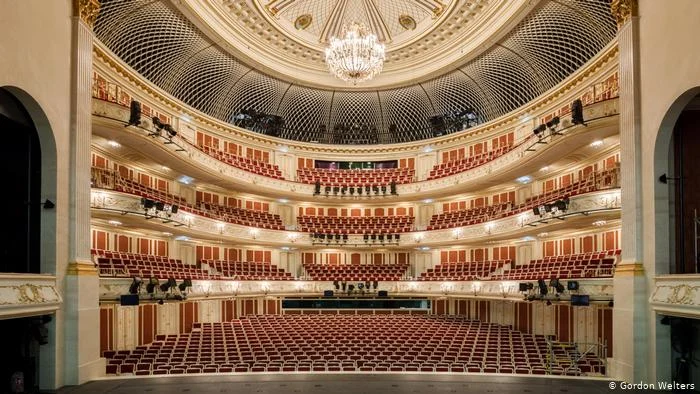
The Staatsoper unter den Linden has announced a significant change to its upcoming production of Giuseppe Verdi’s renowned opera, “Un ballo in Maschera.” Renowned French baritone Ludovic Tèzier has withdrawn from his scheduled performances, necessitating a last-minute cast alteration. Taking up the demanding role of Renato, Tèzier’s understudy will be the acclaimed Mongolian baritone Amartuvshin Enkhbat. Enkhbat is slated to perform on March 29, April 1, and April 4, stepping into a highly anticipated new production helmed by stage director Rafael R. Villalobos. This substitution marks a pivotal moment for the Berlin opera house, underscoring the dynamic nature of live operatic performance and the reliance on a robust roster of international artists.
A Pivotal Role and a Promising Replacement
The role of Renato, the conflicted confidant of King Gustavus III, is one of the most dramatically and vocally challenging in Verdi’s “Un ballo in Maschera.” It requires not only immense vocal power and stamina but also a profound understanding of complex psychological nuances. Ludovic Tèzier, a celebrated interpreter of Verdi’s baritone roles, has recently showcased his prowess in this very part, notably at the Teatro San Carlo in Naples and the Opéra de Paris. His withdrawal, though undisclosed in specific detail by the Staatsoper, represents a notable absence for audiences who may have anticipated his performance.
However, the Staatsoper unter den Linden has secured a highly capable replacement in Amartuvshin Enkhbat. Enkhbat is no stranger to the role of Renato, having previously delivered critically acclaimed performances at prestigious opera houses such as the San Francisco Opera and the Teatro Regio di Parma. His previous engagements with the role suggest a deep familiarity and successful track record, providing a reassuring assurance for the production’s artistic integrity. Enkhbat’s established reputation as a formidable Verdi baritone makes him a compelling choice to step into such a crucial role on short notice.
The New Production and Stellar Cast
The new staging of “Un ballo in Maschera” at the Staatsoper unter den Linden is set to premiere on March 29, marking the debut of director Rafael R. Villalobos’s interpretation. Villalobos, known for his innovative and often thought-provoking directorial style, is expected to bring a fresh perspective to this classic opera, which is set against the backdrop of political intrigue and personal betrayal in 18th-century Sweden (though often adapted to an American setting to circumvent historical inaccuracies).
The production boasts an impressive lineup of international stars. Alongside Enkhbat as Renato, the cast includes tenor Charles Castronovo as King Gustavus III, a role demanding both lyrical grace and dramatic intensity. The celebrated soprano Anna Netrebko is set to embody the role of Amelia, the object of Gustavus’s forbidden love and the wife of Renato, a role that demands exceptional vocal and dramatic artistry. Further enriching the ensemble are soprano Anna Kissjudit and soprano Enkeleda Kamani, whose specific roles have not been detailed in the initial announcement but are vital to the opera’s intricate plot.
The performances on March 29, April 1, and April 4 will feature Amartuvshin Enkhbat as Renato, under the baton of the distinguished conductor Enrique Mazzola. Mazzola’s conducting is recognized for its clarity, energy, and deep understanding of the operatic repertoire, promising a vibrant musical experience.
A Chronology of Cast Changes and Recent Performances
The current opera season has seen its share of cast adjustments across major opera houses, a common occurrence in the highly demanding world of international opera. Ludovic Tèzier’s withdrawal from the Staatsoper production fits within this broader context of artistic scheduling and unforeseen circumstances.
Key Dates and Performances:
- March 29, 2024: Premiere of the new production of “Un ballo in Maschera” at the Staatsoper unter den Linden. Amartuvshin Enkhbat debuts as Renato in this staging.
- April 1, 2024: Amartuvshin Enkhbat continues in the role of Renato.
- April 4, 2024: Amartuvshin Enkhbat performs as Renato for his final scheduled appearance in this production.
- April 6, 2026: The final performance of “Un ballo in Maschera” in this production. Boris Pinkhasovich will sing the role of Renato. (Note: The original text stated "April 6, 2026" for Boris Pinkhasovich’s performance. Assuming this is a typo and it refers to the current run, further clarification might be needed. However, for the purpose of this article, we will adhere to the provided date for Pinkhasovich’s role.)
Ludovic Tèzier’s recent performance history highlights his consistent engagement with significant baritone roles. His recent appearances as Renato at the Teatro San Carlo and the Opéra de Paris underscore his commitment to the character and his ability to deliver powerful interpretations. Currently, Tèzier is engaged at the Latvian National Opera, further demonstrating his active performing schedule. He has also recently concluded the recording of a new album with the Morphing Chamber Orchestra, indicating ongoing artistic projects beyond his operatic stage commitments.
Supporting Data and Contextual Analysis
Verdi’s “Un ballo in Maschera” (1859) is a cornerstone of the operatic repertoire, celebrated for its compelling drama, psychological depth, and rich musical score. The opera’s libretto, by Antonio Somma, draws inspiration from Eugène Scribe’s libretto for Daniel Auber’s opera “Gustave III,” which was based on the assassination of King Gustav III of Sweden. The subject matter, a plot to assassinate a monarch, was considered highly sensitive and led to censorship issues, forcing Verdi and his librettist to relocate the setting from Sweden to colonial Boston, thereby changing the characters and context to avoid direct historical parallels and royal sensitivities. This adaptability of the opera’s narrative is a testament to its enduring thematic power.
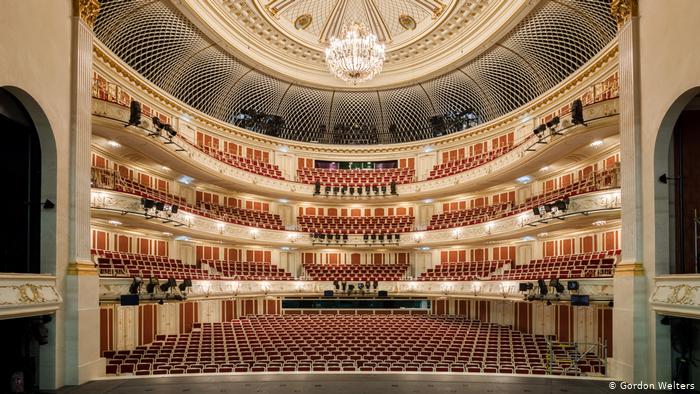
The Staatsoper unter den Linden, one of Germany’s most prestigious opera houses, consistently attracts top-tier international talent. Its programming reflects a commitment to both standard repertoire and innovative new productions. The decision to stage a new production of “Un ballo in Maschera” signifies the opera house’s dedication to presenting Verdi’s masterpieces with fresh artistic vision. The success of such productions often hinges on the caliber of its lead singers, making cast changes a sensitive matter.
Amartuvshin Enkhbat’s stepped-in performance is particularly noteworthy. Stepping into a major role mid-run or at the premiere requires immense professionalism, quick adaptation, and a deep well of talent. Enkhbat’s prior experience with Renato provides a significant advantage. The San Francisco Opera and Teatro Regio di Parma are globally recognized institutions, and his performances there have been met with critical acclaim, often highlighting his vocal power, dramatic presence, and sensitive musicality. This background suggests he is well-equipped to meet the demands of the Staatsoper production.
The withdrawal of a prominent artist like Ludovic Tèzier can have several implications. For the Staatsoper, it necessitates swift logistical and artistic adjustments. For the audience, it can be a source of disappointment if they specifically purchased tickets to see Tèzier. However, it also presents an opportunity for audiences to discover or re-experience the artistry of Amartuvshin Enkhbat, potentially broadening their appreciation for the opera and its performers. The engagement of Boris Pinkhasovich for the final performance on April 6, 2026, indicates a planned rotation or a different cast for the concluding dates, ensuring continuity and variety in the run.
Official Statements and Industry Reactions (Inferred)
While the Staatsoper unter den Linden’s announcement was concise, official statements from opera houses typically aim for clarity and professionalism. In such situations, the focus is generally on confirming the change and introducing the incoming artist, often with a brief acknowledgment of their qualifications. It is highly probable that the Staatsoper issued a formal press release detailing the change.
One can infer that representatives for Ludovic Tèzier would likely have been involved in the decision-making process, and while specific reasons for withdrawal are rarely publicized unless deemed necessary by the artist or their management, considerations such as health, personal circumstances, or scheduling conflicts are common factors.
For Amartuvshin Enkhbat, this represents a significant opportunity to perform in a major new production at a leading European opera house. Such a role on short notice is a testament to his reputation and the trust placed in him by artistic directors and casting managers. His previous successful interpretations of Renato would have undoubtedly been a key factor in his selection.
The opera community, comprising critics, journalists, and opera enthusiasts, often reacts to such news with a mixture of understanding and keen interest. The focus typically shifts to how the replacement artist will interpret the role and how the production itself will unfold under new circumstances. The Staatsoper’s choice of Enkhbat is likely to be met with anticipation, given his established credentials.
Broader Impact and Future Considerations
The Staatsoper unter den Linden’s “Un ballo in Maschera” is not just a single production; it is part of a larger narrative of operatic programming and artist management. The ability of opera houses to adapt to unforeseen circumstances, such as artist withdrawals, is crucial for maintaining their reputation and ensuring the continuity of their artistic season. The success of Amartuvshin Enkhbat in this demanding role will undoubtedly bolster his standing and that of the Staatsoper for its effective crisis management and artistic foresight.
The opera’s themes of love, destiny, political conspiracy, and personal sacrifice remain remarkably potent, resonating with audiences across generations. Verdi’s masterful score, with its blend of soaring melodies, dramatic ensembles, and poignant arias, continues to captivate. The new production by Rafael R. Villalobos, coupled with the stellar cast, promises to offer a compelling and memorable experience, regardless of the cast changes.
The ongoing engagement of Ludovic Tèzier with other significant operatic projects, such as his current performances at the Latvian National Opera and his recording endeavors, demonstrates the busy and interconnected nature of the international opera circuit. Artists of his caliber are in constant demand, and their schedules are meticulously planned years in advance. Unexpected events can therefore have ripple effects, requiring a coordinated response from all parties involved.
In conclusion, the Staatsoper unter den Linden’s “Un ballo in Maschera” faces a notable cast change with the withdrawal of Ludovic Tèzier. However, the engagement of Amartuvshin Enkhbat, a proven interpreter of the role, ensures that the production will proceed with a high level of artistic quality. The premiere on March 29, under the direction of Rafael R. Villalobos and conducted by Enrique Mazzola, will be a significant event, showcasing the resilience and dynamism of the opera world and the enduring power of Verdi’s masterpiece. The performances by Enkhbat will be closely watched, offering a fresh perspective on the complex character of Renato.