Johan Budi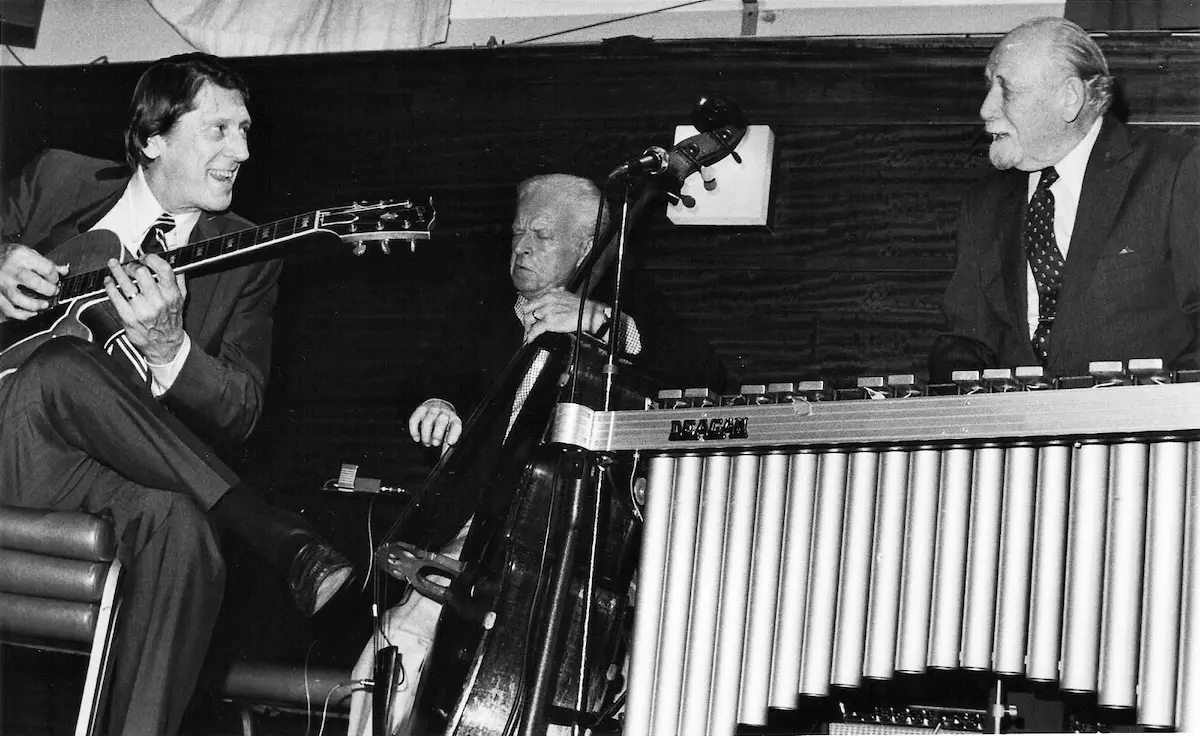
The 1942 Recording Ban and Red Norvo’s Clandestine Masterpiece
The release of Red Norvo’s "The Secret Session" by Dot Time Records (DT8023) serves as a vital historical document, filling a gap in the discography of one of jazz’s most influential mallet percussionists. Born Kenneth Norville, Red Norvo was a central figure in the transition from the swing era to more modern forms of jazz. His career saw him collaborate with legends such as Benny Goodman, Charlie Barnet, and Woody Herman, as well as providing accompaniment for iconic vocalists like Billie Holiday and Frank Sinatra. However, the newly unearthed 1942 recordings represent a specific moment of defiance against the industrial constraints of the time.
On August 1, 1942, the American Federation of Musicians (AFM), led by the formidable James Petrillo, initiated a strike against the major record companies. The dispute centered on the non-payment of royalties for radio broadcasts and jukebox plays, which the union argued was depriving live musicians of their livelihoods. This strike effectively halted all commercial recording activities in the United States for over two years. It was during this period of enforced silence that Norvo, then leading a newly formed septet, bypassed the blockade. By persuading a studio technician to grant him after-hours access, Norvo recorded a series of tracks that have remained unheard by the public for 84 years.
Personnel and Musical Significance of the 1942 Septet
The 1942 septet featured a lineup of young talent that would later define the sound of post-war jazz. Shorty Rogers, then an emerging trumpeter, would eventually become a primary architect of West Coast Jazz. The ensemble also included Eddie Bert on trombone, Aaron Sachs on clarinet, Clyde Lombardi on bass, and Specs Powell on drums, with Hank Kahout likely occupying the piano chair.
The eight tracks, totaling approximately 45 minutes, include interpretations of standards such as Irving Berlin’s "Russian Lullaby" and George Gershwin’s "Liza." Despite the technical limitations of a surreptitious midnight session, the recordings capture a transition in Norvo’s style. Known as "Mr. Swing," Norvo’s work with this septet shows the beginnings of the more intricate, harmonically advanced textures that would characterize his later trios with Charles Mingus and Tal Farlow. Collectors and historians have noted that while the sound quality reflects the era’s clandestine recording conditions, the proficiency and "keen" energy of the young musicians provide invaluable insight into the development of the small-group jazz idiom during the "recording blackout."
Jesper Thorn and the Pursuit of "Stille" in Modern Denmark
While Red Norvo’s archival release looks back at a moment of industrial strife, Danish double-bassist Jesper Thorn’s fourth studio album, "Stille" (April Records APR156CD), looks inward at the psychological landscape of the modern world. Thorn, a product of the prestigious Copenhagen music conservatory, has built a reputation as a cornerstone of the Nordic jazz scene, having studied under masters such as Arild Andersen and Anders Jormin.
The title "Stille," which translates to "quiet" or "calm" in Danish, is not merely a description of the album’s tempo but a thematic mission statement. In an era defined by digital noise and geopolitical instability, Thorn utilizes the double bass as a tool for meditation and social commentary. Recorded in Copenhagen on March 31, 2025, the album features a quintet including Maj Berit Guassora on trumpet, Cecilie Strange on tenor saxophone, Marc Méan on piano, and Andreas Bernitt on violin.
Compositional Inspiration and Social Commentary
The eight original compositions on "Stille" are deeply rooted in contemporary events. Thorn has described the album as a series of instrumental commentaries on global and personal crises. For instance, the track "Run" was composed in response to the catastrophic wildfires that devastated California, serving as a sonic representation of environmental fragility. Conversely, "Stilleben" (Still Life) captures a moment of domestic serenity, reflecting the bassist’s personal life after the morning routine of sending his son to school.
Thorn also addresses the political climate in "Concession," a piece written following the 2024 U.S. Presidential election. The track explores the emotional weight of political shifts and their global ramifications. The subsequent tracks, "Recover" and "Rebuild," function as a diptych on resilience, framing the act of making music as a form of "hymn to resistance." This approach aligns Thorn with a long tradition of jazz musicians using their art to process and protest the complexities of the human condition.
Wild Blue Herons: Bridging Gospel, Funk, and Jazz in Vancouver
The third pillar of this new wave of jazz releases is "It’s All About Love" by the Canadian duo Wild Blue Herons. Comprising pianist Bill Sample and vocalist Darlene Cooper, the Vancouver-based ensemble represents the intersection of professional pedigree and genre-blending accessibility. Since their formation in 2017, the duo has released a series of projects that draw from a diverse array of North American musical traditions.
Bill Sample’s background is steeped in the highest echelons of the industry; he was an early teacher of Diana Krall and has performed with legends ranging from Ray Charles to Art Pepper. Darlene Cooper brings a deep knowledge of vocal traditions, having directed the Marcus Mosely Chorale and led workshops on the history of gospel music. Their collaborative history includes work with Eric Bibb and Dee Daniels, ensuring that their "funky jazz" approach is grounded in authentic technique.
Technical Fusion and Musical Philosophy
The new 13-track album marks a departure from their previous, more traditional jazz outings. According to Sample, the duo made a conscious decision to lean into a "full out funky jazz" sound, citing the influence of iconic horn-heavy bands such as Earth, Wind & Fire, Tower of Power, and Chicago. This shift is evident in the album’s instrumentation, which includes a robust horn section featuring Steve Hilliam on tenor sax and Jim Hopson on trombone.
Thematically, the album balances the titular focus on love with a pragmatic view of aging and mortality. Cooper has noted that many of the songs, such as "Live in the Moment" and "Whatcha Gonna Do With Your Life," are intended to encourage listeners to embrace life fully. The inclusion of a reimagined "You Are My Sunshine" (the 1940 Jimmie Davis classic) serves as a bridge between the duo’s gospel roots and their contemporary jazz-funk aspirations.
Broader Impact and Industry Implications
The release of these three distinct projects highlights several key trends in the current music industry. First, the "Secret Session" by Red Norvo underscores the ongoing importance of archival restoration. As streaming platforms and digital archives make it easier to distribute rare recordings, the "archival jazz" market continues to thrive, providing a more nuanced understanding of the genre’s history.
Second, the work of Jesper Thorn illustrates the strength of the European jazz tradition, particularly the "Nordic Tone" which prioritizes space, atmosphere, and social consciousness. Thorn’s ability to weave political commentary into instrumental music demonstrates that jazz remains a potent medium for intellectual and emotional discourse.
Finally, Wild Blue Herons exemplify the trend of genre-fluidity. By merging the sophisticated harmonies of jazz with the rhythmic drive of funk and the emotional resonance of gospel, Sample and Cooper are reaching audiences beyond the traditional jazz purist demographic. This inclusivity is vital for the genre’s survival in a competitive global market.
Conclusion
From the clandestine studio sessions of 1942 to the reflective compositions of 2025, jazz continues to serve as a mirror to the world. Whether it is Red Norvo defying a national strike to document the birth of a new septet, Jesper Thorn seeking silence in a chaotic political landscape, or Wild Blue Herons celebrating the intersection of funk and love, these releases prove that the genre’s vitality is rooted in its history and sustained by its willingness to evolve. As these albums reach the public, they offer not only musical enjoyment but a deeper appreciation for the resilience and creativity of the artists who define the jazz tradition.