Nayara Elvina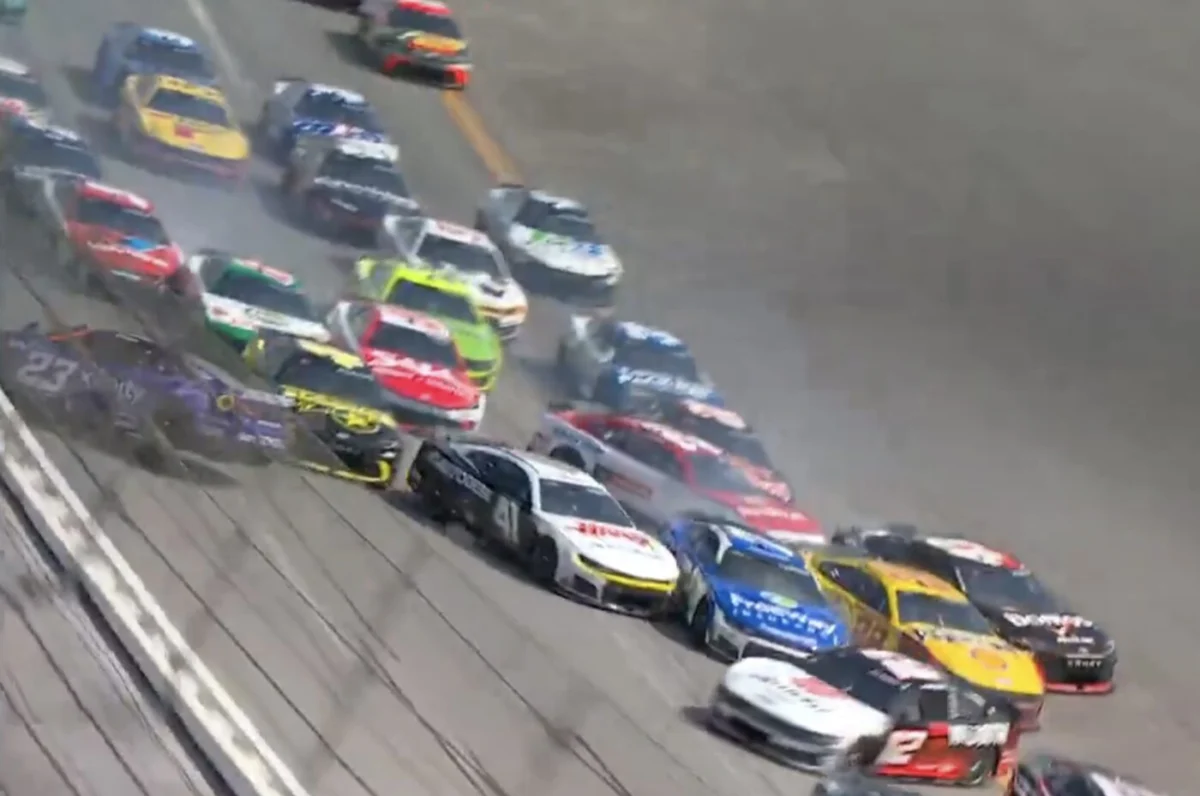
The high-velocity environment of the Talladega Superspeedway once again lived up to its reputation for unpredictability and high-stakes drama during this weekend’s Jack Link’s 500. As the NASCAR Cup Series descended upon the 2.66-mile tri-oval in Lincoln, Alabama, the tension was palpable among drivers and teams alike. Talladega is renowned as the largest and fastest track on the NASCAR circuit, characterized by its 33-degree banking and the necessity of pack racing, where cars travel at speeds exceeding 190 mph just inches apart. In such an environment, the margin for error is non-existent, and the inevitable "Big One"—a massive multi-car accident—is often a matter of when, not if.
The event began with a tactical display of fuel conservation and manufacturer cooperation. During the opening stage of the 188-lap race, the field was largely defined by a strategic "fuel mileage game." Drivers were tasked with balancing the need for track position against the necessity of saving fuel to minimize time spent on pit road. This stage saw a dominant showing by the Ford contingent. Ryan Preece, piloting the #41 Ford Mustang, orchestrated a disciplined line of blue ovals to secure the Stage 1 victory. The Fords demonstrated a clear aerodynamic advantage when running in a nose-to-tail formation, a tactic designed to maximize efficiency and control the tempo of the race. However, as the field transitioned into the second stage, the disciplined cooperation of the opening laps gave way to the aggressive maneuvers typical of superspeedway competition.
The complexion of the race changed fundamentally during the second stage when a catastrophic collision involving the leaders decimated the field. Bubba Wallace, driving the #23 Toyota Camry for 23XI Racing, had established himself at the front of the pack. Wallace, a veteran with a proven track record on superspeedways including a prior victory at Talladega, was being aggressively pushed by Ross Chastain in the #1 Chevrolet Camaro. Chastain, known for his high-risk, high-reward driving style, initiated a lane change to the middle groove to find a faster line. Wallace, attempting to maintain his lead and block the advancing momentum, followed Chastain into the middle lane.
The rapid movement of the two lead cars created a vacuum and a subsequent "stacking" effect for the cars following closely behind. As the field compressed, a surge of momentum from approximately four cars back surged through the line. This aerodynamic and physical pressure sent Chastain’s car into the rear of Wallace’s vehicle with significant force. The impact destabilized Wallace’s Toyota, sending him sideways across the track and directly into the outside retaining wall. Because the field was still tightly bunched following a recent restart, the spinning #23 car became an unavoidable obstacle for the dozens of cars trailing within a two-second window.
The Anatomy of the Big One and Its Immediate Impact
The resulting "Big One" was one of the most comprehensive accidents seen at the track in recent years. In a matter of seconds, the championship hopes of several top-tier contenders were severely dented. The carnage collected a significant portion of the entry list, leaving the track littered with debris and forced NASCAR officials to deploy the caution flag immediately.
Among the primary victims of the incident was Kyle Larson, the driver of the #5 Chevrolet. Larson, a perennial championship favorite on intermediate tracks, has historically struggled with the volatility of superspeedway racing. His involvement in the wreck continued a frustrating trend of DNFs (Did Not Finish) at Talladega and Daytona. Other notable drivers caught in the melee included Ryan Blaney, Brad Keselowski, and Joey Logano—all of whom are considered masters of drafting but found themselves with nowhere to go as the track was blocked by spinning cars. Ty Gibbs, the rising star for Joe Gibbs Racing, was also involved, ending what had been a promising run for the young driver.
The attrition rate of the Jack Link’s 500 reached a critical level following this incident. Only four cars at the very front of the pack, including Ross Chastain, managed to navigate through the chaos unscathed. A handful of cars at the tail end of the lead lap were also able to check up in time to avoid terminal damage. For the rest of the field, the race became a desperate battle against the "Damage Vehicle Policy" (DVP) clock, as crews scrambled to make repairs in the pit box to keep their cars on the track and salvage whatever points possible.
Official Responses and Driver Accountability
In the immediate aftermath of the accident, Bubba Wallace was vocal regarding his role in the incident. In a sport where drivers often deflect blame onto "racing deals" or atmospheric conditions, Wallace took a direct and professional stance on the error. Speaking to media members after being released from the infield care center, Wallace expressed a need for internal review and technical adjustment.
"I take responsibility on that," Wallace stated. "We’ll have a good debrief and figure out what we can do to make our Toyotas a little bit better being pushed and maybe not have that happen."
Wallace’s comments highlight a technical nuance of the "Next Gen" car currently used in the Cup Series. The car’s bumpers and aerodynamic profile make it sensitive to "bump drafting," particularly when the cars are not perfectly aligned. Wallace’s admission suggests that the 23XI Racing team will focus on the mechanical setup of the car to ensure it remains more stable when receiving high-speed pushes from behind. This level of accountability is crucial for a team co-owned by NBA legend Michael Jordan and veteran racer Denny Hamlin, as they continue to build a program capable of consistent championship contention.
Statistical Shifts and Betting Implications
The mass exit of favorites caused a dramatic shift in the live betting markets and the projected outcome of the race. Prior to the green flag, Ross Chastain was viewed as a significant longshot. DraftKings and other major sportsbooks had listed Chastain at +2500 odds to win, reflecting his recent struggles during the current season. Chastain and his Trackhouse Racing team entered the weekend 20th in the points standings, a position that would see them miss the playoffs if the post-season were to begin today.
However, having survived the wreck that eliminated many of his fastest competitors, Chastain’s odds plummeted to +700, positioning him as the mid-race favorite. This shift underscores the unique nature of Talladega, where survival is often more important than raw speed. The ability to miss the "Big One" can transform a struggling team’s season in a single afternoon. For Chastain, a win at Talladega would not only provide a massive boost in points but would also secure an automatic berth in the NASCAR Playoffs, regardless of his standing in the top 20.
Historical Context and Technical Analysis
The incident at the Jack Link’s 500 adds another chapter to the storied history of "The Big One" at Talladega. Since the introduction of restrictor plates (and later, tapered spacers) to control speeds at the track, the field has been forced into tight packs. This style of racing creates a high-pressure environment where the actions of one driver can have a recursive effect on thirty others.
From a technical standpoint, the wreck also tested the durability of the Next Gen chassis. Unlike previous iterations of the Cup car, the current model features modular construction, allowing teams to replace entire front or rear clips if the center safety tub remains intact. This was evidenced earlier this season at Atlanta Motor Speedway, where Tyler Reddick was involved in a significant wreck, lost a right-front fender, and yet managed to claw his way back to a victory. This precedent gave hope to the teams of Blaney, Keselowski, and others who remained on the track with battered machines, hoping for more cautions to allow them to regain lost laps through the "Lucky Dog" rule.
Broader Implications for the Cup Series Season
The ramifications of the Talladega wreck extend far beyond the Alabama borders. With the NASCAR playoffs looming, the points standings are under intense pressure. Drivers like Kyle Larson, who already have wins this season, can afford the points hit, though it hurts their quest for the Regular Season Championship and the valuable 15 bonus points that come with it. However, for drivers like Bubba Wallace and Ty Gibbs, who are on the "bubble" of the playoff cutoff, a DNF at Talladega is a significant setback.
The race also highlights the ongoing struggle between the different manufacturers. The Fords showed immense strength early on, but the wreck decimated their ranks, leaving the Toyotas and Chevrolets to battle for the win. The strategic alliance seen in Stage 1 suggests that manufacturer-specific drafting lines will continue to be a dominant storyline in the remaining superspeedway races of the year, including the upcoming events at Daytona and the playoff race back at Talladega in the fall.
As the race moved into its final stages, the remaining field was a mix of unexpected leaders and wounded contenders. The Jack Link’s 500 served as a reminder that at Talladega, the checkered flag is never guaranteed until the final tri-oval stretch. While the "Big One" in Stage 2 removed several heavy hitters, it opened the door for a potential underdog story, reinforcing the "wild card" status that this track holds in the American racing landscape. The resilience of the teams and the raw honesty of drivers like Wallace continue to define the narrative of a season that remains one of the most competitive in recent NASCAR history.