 Aveline Kirana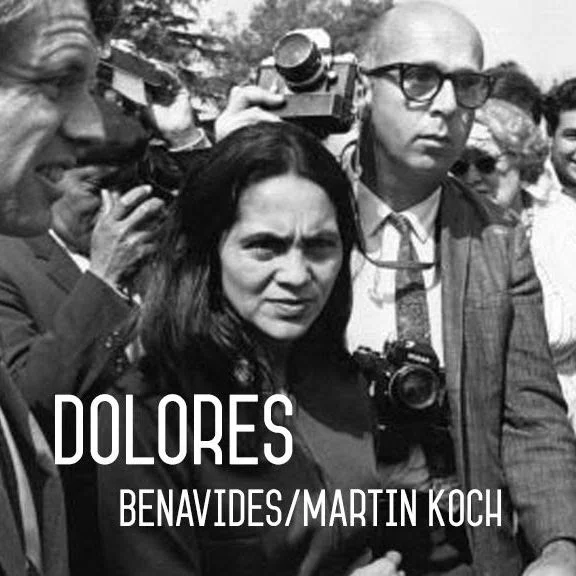
The creators of the opera "Dolores," composer Nicolás Lell Benavides and librettist Marella Martin Koch, have issued a joint statement addressing the recent, deeply troubling allegations of rape and sexual molestation against the iconic Latino civil rights leader Cesar Chavez. The revelations, detailed in a comprehensive five-year investigation by The New York Times, have cast a dark shadow over Chavez’s legacy and prompted a significant reckoning within the historical narratives that have shaped public perception of the farmworker movement.
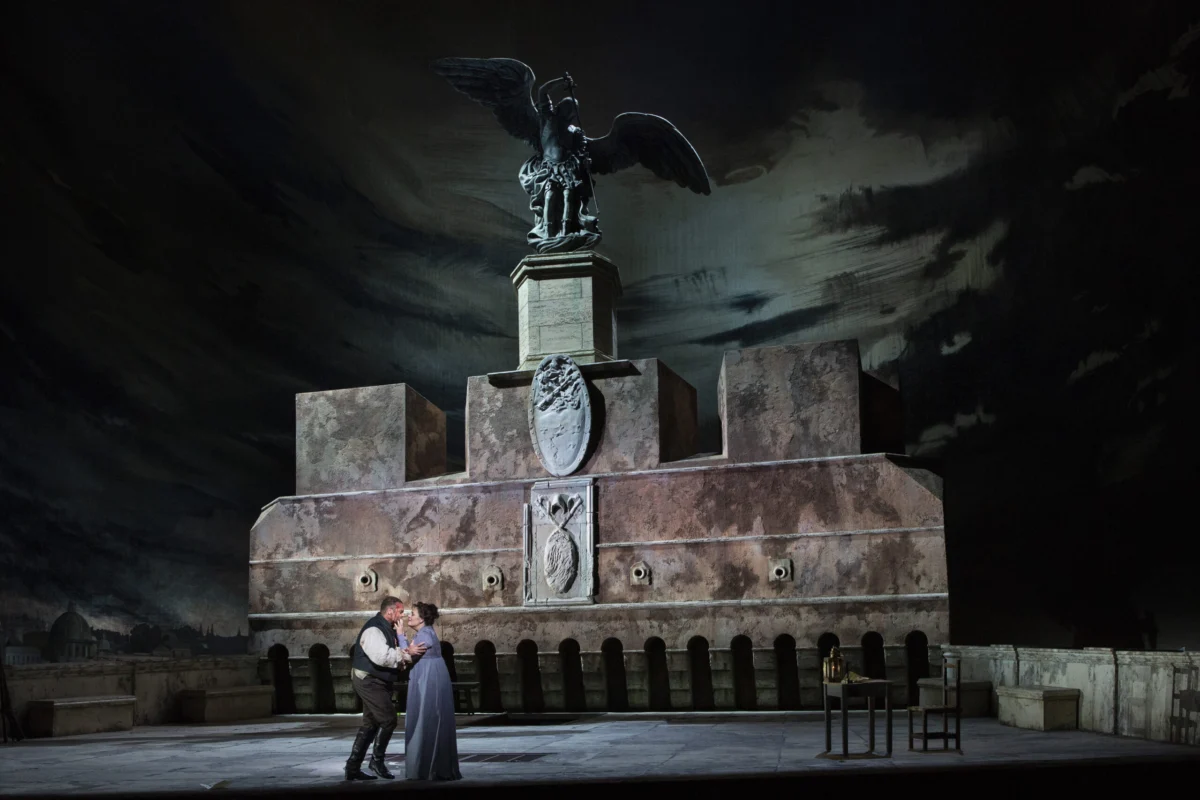
The opera "Dolores," which premiered in 2025 at West Edge Opera and has since been performed by Opera Southwest and San Diego Opera, centers on the life and contributions of Dolores Huerta, a pivotal figure in the United Farm Workers (UFW) alongside Chavez. The opera portrays Chavez as a significant character, described on its official website as "self-sacrificing, soft-spoken, flinty." However, the emergence of these allegations necessitates a profound re-evaluation of the historical context and the personal experiences of those involved in the movement.
The New York Times Investigation: A Five-Year Deep Dive into Allegations
The groundbreaking report, published on March 18, 2026, by The New York Times, is the result of an exhaustive, five-year investigation helmed by reporters Manny Fernandez and Sarah Hurtes. Their meticulous work involved interviews with more than 60 individuals, including alleged victims of Chavez’s predatory behavior, former aides, and relatives. The scope of the investigation aimed to provide a comprehensive and unvarnished account of these allegations, many of which had reportedly been suppressed or ignored for decades.
Central to the report’s devastating revelations is the testimony of Dolores Huerta herself. Huerta, a co-founder of the UFW and a legendary labor leader, spoke to The New York Times, disclosing that Chavez had raped her on two separate occasions. Her decision to remain silent, she explained, was driven by a desire not to undermine the burgeoning farmworker movement and a fear that her accusations would not be believed or accepted by those within the movement who were eager to protect Chavez’s image and authority. Huerta further revealed that following both assaults, she became pregnant, concealed her pregnancies, gave birth to two children, and subsequently placed them for adoption. This deeply personal account underscores the immense personal cost and the culture of silence that often pervaded such powerful movements.
Creators’ Statement: Dismay, Empathy, and a Commitment to Processing
In their official statement, Benavides and Koch expressed profound dismay at the allegations. "We are deeply dismayed by the news of the indefensible and predatory behavior of the late Cesar Chavez," they stated. Their immediate focus, they emphasized, is with Dolores Huerta and the other survivors, some of whom were reportedly children at the time of their assaults. "Our hearts, first and foremost, are with Dolores Huerta and the other survivors, some of whom were children when they were sexually assaulted. It must have been horrible to carry that burden, unable to speak the truth because of Cesar’s sway and power," the duo continued.
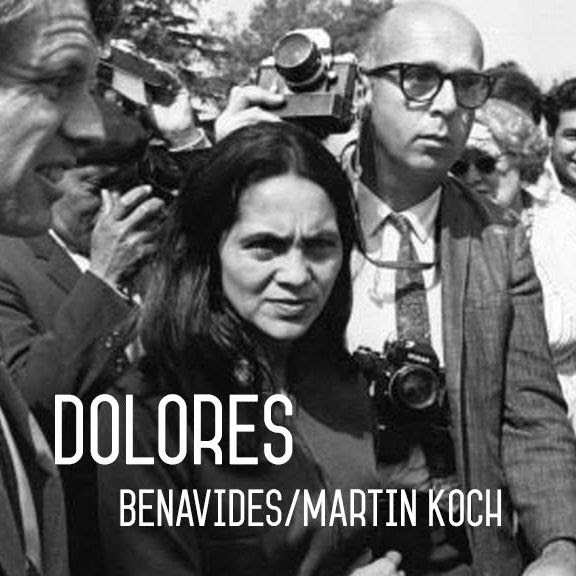
The creators acknowledged that the revelations introduce a new and challenging layer of context to their opera. "Our opera centers Dolores: her leadership, her resilience, and the many personal sacrifices she made on behalf of the union and the farm workers. That has not changed. However, the release of this disturbing information about Cesar Chavez brings new context that will take us time to process. Today our focus is with the survivors, and the many thousands of people whose lives will be affected by these revelations." This statement reflects a commitment to acknowledging the gravity of the new information while reaffirming the opera’s primary artistic intent and its dedication to honoring Dolores Huerta’s experiences and strength.
Historical Context: The Rise of Cesar Chavez and the UFW
Cesar Chavez (1927-1993) rose to prominence in the 1960s as a charismatic and influential leader of the American labor movement. Alongside Dolores Huerta, he co-founded the National Farm Workers Association (NFWA) in 1962, which later merged with the Agricultural Workers Organizing Committee to become the United Farm Workers (UFW). The UFW became a powerful force, organizing agricultural laborers, many of whom were migrant workers, often of Mexican descent, facing exploitative working conditions, low wages, and dangerous environments.
Chavez’s methods, including nonviolent protests, strikes, and boycotts, garnered national attention and support. His advocacy for fair treatment and dignity for farmworkers resonated deeply, making him a folk hero and a pivotal figure in the Chicano movement and broader civil rights struggles. His image as a selfless, dedicated leader was instrumental in mobilizing support and achieving significant legislative and contractual victories for agricultural laborers. The narrative of Chavez as an unwavering moral compass and a tireless advocate for the downtrodden became deeply ingrained in American historical consciousness.
Timeline of Key Events and Revelations
- 1962: Cesar Chavez and Dolores Huerta co-found the National Farm Workers Association (NFWA), later the United Farm Workers (UFW).
- 1965-1970: The Delano grape strike and boycott, a seminal event in the UFW’s history, brings national attention to the plight of farmworkers and elevates Chavez and Huerta to national prominence.
- 1970s-1980s: The UFW continues its organizing efforts, achieving various labor agreements and advocating for legislative changes. Chavez remains a central figure, facing challenges and controversies, but largely maintaining a revered public image.
- 2014: The U.S. Congress officially designates March 31st as Cesar Chavez Day, a federal holiday in some states, recognizing his contributions to civil rights and labor.
- 2020-2026: The New York Times conducts a five-year investigation into allegations of sexual abuse against Cesar Chavez.
- March 18, 2026: The New York Times publishes its investigative report, detailing decades of alleged rape and sexual molestation by Chavez, including testimony from Dolores Huerta and other alleged victims.
- March 2026: Creators of the opera "Dolores," Nicolás Lell Benavides and Marella Martin Koch, issue a statement acknowledging the report and expressing dismay and solidarity with survivors.
- 2025: The opera "Dolores" has its world premiere at West Edge Opera. It is later presented by Opera Southwest and San Diego Opera.
Broader Implications and Impact
The revelations concerning Cesar Chavez have far-reaching implications, extending beyond the immediate impact on historical memory.
- Re-evaluation of Historical Narratives: This investigation compels a critical re-examination of widely accepted historical figures and movements. It highlights the necessity of moving beyond idealized portrayals to acknowledge the complexities and potential darkness that can coexist within even the most celebrated narratives. The legacy of Chavez, long held as an unimpeachable icon of justice, now faces the profound challenge of reconciling his activism with these disturbing accusations.
- Empowerment of Survivors: The courage of Dolores Huerta and other alleged victims in coming forward, even decades later, is a testament to their resilience and a significant moment for survivors of sexual assault. The report’s publication may empower others who have experienced similar traumas to share their stories and seek justice, or at least acknowledgment.
- Impact on the Arts and Culture: The opera "Dolores" now exists within a dramatically altered historical landscape. The creators’ statement indicates a commitment to engaging with this new context, suggesting that future productions or discussions surrounding the opera may need to address these allegations. This event also serves as a reminder for artists and storytellers to critically engage with the source material and historical figures they choose to represent.
- Lessons for Social Movements: The alleged behavior of Chavez, if true, raises critical questions about power dynamics within social movements. The pressure to maintain unity and protect a charismatic leader could, as Huerta suggested, create an environment where abuse is tolerated or concealed. This serves as a somber lesson for contemporary and future social justice movements, underscoring the importance of robust accountability mechanisms and a commitment to protecting vulnerable individuals within the movement itself.
- The Role of Investigative Journalism: The New York Times’ five-year investigation exemplifies the crucial role of in-depth journalistic inquiry in uncovering truths that have been hidden or suppressed. Such reporting is vital for historical accuracy and for holding powerful figures, even those deceased, accountable to the fullest extent possible.
The allegations against Cesar Chavez are a stark reminder that history is rarely simple and that the figures we elevate often carry burdens and secrets that complicate their legacies. The coming days, weeks, and years will undoubtedly involve further processing, discussion, and a continued effort to understand the full truth and its enduring impact on the individuals and movements involved.