Aveline Kirana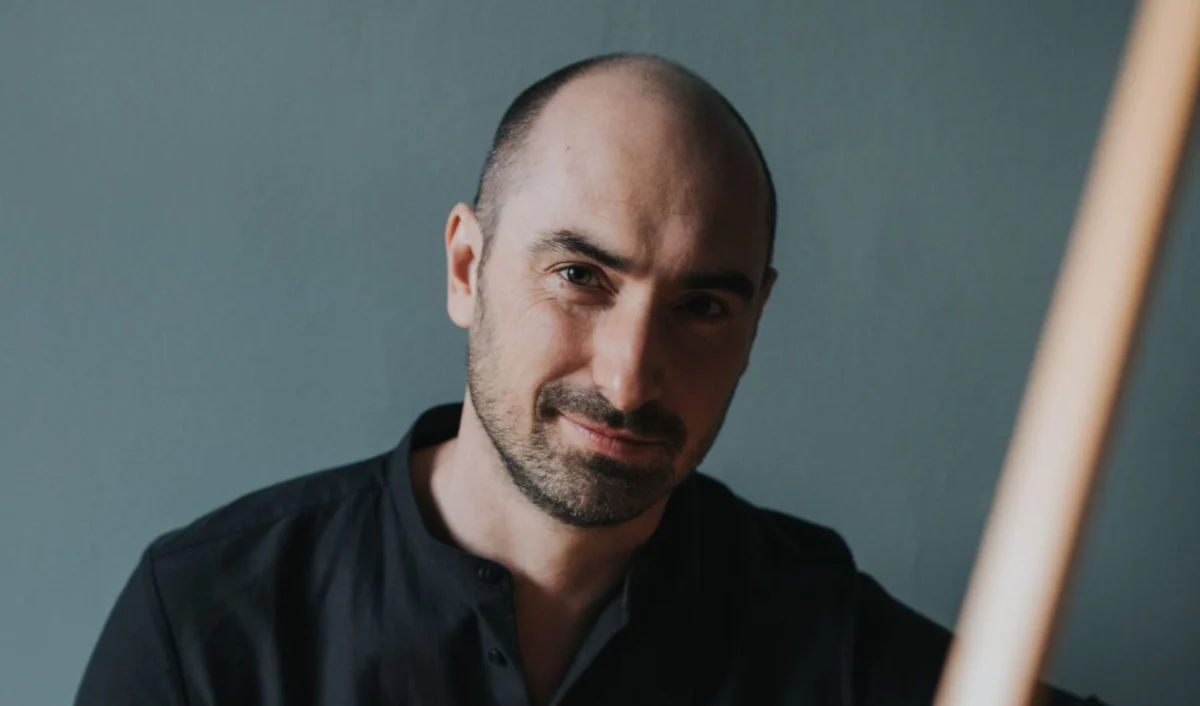
The Philharmonia Baroque Orchestra & Chorale has unveiled its highly anticipated 2026-27 season, marking a significant new chapter under the leadership of its recently appointed Music Director, Peter Whelan. This inaugural season under Whelan’s baton promises a dynamic exploration of historical performance, characterized by a commitment to both uncovering neglected repertoire and breathing new life into familiar masterpieces. Whelan envisions the ensemble as a vibrant laboratory for musical discovery, aiming to forge a profound connection with modern audiences by demonstrating the enduring relevance and emotional power of Baroque music.
A Vision for a "Living, Breathing Force" of Music
Peter Whelan, already a respected figure in the early music world, brings a wealth of experience to his new role. His artistic philosophy for Philharmonia Baroque centers on the concept of "musical time-travelers," a description he uses to capture the ensemble’s ability to imbue historical scores with a visceral, theatrical energy that resonates deeply with listeners. He has spoken enthusiastically about the unique dynamic he has already observed within the Bay Area community, highlighting a palpable curiosity and a rare sense of genuine connection between the performers on stage and the audience in the hall.
"What excites me most is the fearless spirit of Philharmonia Baroque Orchestra & Chorale," Whelan stated in a recent interview. "This isn’t just an ensemble that plays old music; it’s a group of ‘musical time-travelers’ who bring a visceral, theatrical energy to every note. I’ve been struck by the warmth of the Bay Area community—there is a genuine sense of curiosity and connection between the stage and the audience that is rare to find."
Whelan’s vision is explicitly rooted in building upon the esteemed legacies of the orchestra’s founding conductor, Nicholas McGegan, and his successor, Richard Egarr. He aims to position Philharmonia Baroque at the forefront of the "next generation" of historical performance. This involves a dual approach: diligently unearthing and presenting lesser-known works that deserve wider recognition, while simultaneously reinterpreting beloved compositions with a freshness that allows audiences to experience them as if for the first time.
"My vision is to build on the incredible legacy of Nicholas McGegan and Richard Egarr by positioning Philharmonia Baroque at the vanguard of the ‘next generation’ of historical performance," Whelan elaborated. "I want us to be a laboratory for discovery, uncovering neglected masterpieces and revitalizing the ‘hits’ with the sense of hearing them for the first time. We aren’t just preserving a museum piece; we are proving that this music is a living, breathing force that can speak directly to the modern soul."
This approach signifies a departure from the notion of historical performance as a purely academic or archival pursuit. Whelan is dedicated to demonstrating that Baroque music, when performed with passion and intelligence, possesses a direct and potent emotional language capable of engaging contemporary listeners on a profound level.
The 2026-27 Season: "The Power of Music"
The upcoming 2026-27 season, aptly titled "The Power of Music," is designed as an explicit invitation to audiences to engage with this philosophy. The programming reflects Whelan’s commitment to dramatic intensity, vocal brilliance, and cross-cultural exploration.
The season opens with a compelling presentation of George Frideric Handel’s opera Tolomeo, re d’Egitto. This choice immediately underscores the ensemble’s inherent strength in dramatic repertoire and its capacity for vocal virtuosity, both hallmarks of Philharmonia Baroque’s tradition. Whelan sees this work as embodying the "high drama and vocal virtuosity that is our DNA."
A significant highlight and a clear indicator of Whelan’s broader artistic scope is the program "Vivaldi and the Oud." This collaboration with virtuoso oud player Joseph Tawadros is intended to illuminate the often-overlooked global connections and dialogues that characterized Baroque music. By juxtaposing Antonio Vivaldi’s vibrant scores with the ancient sounds of the oud, Whelan aims to demonstrate that Baroque music was not an insular European phenomenon but a dynamic exchange of ideas and influences across diverse cultures.
"Programs like ‘Vivaldi and the Oud’ with Joseph Tawadros demonstrate my commitment to cross-cultural dialogue, showing how Baroque music wasn’t a monolith, but a conversation," Whelan explained. "It’s about breaking down the ‘fourth wall’ of the concert hall." This sentiment reflects a broader trend in the performing arts to dissolve traditional barriers and create more immersive and engaging experiences for audiences.
Expanding the Boundaries of Historical Performance
Looking beyond the inaugural season, Whelan articulates a clear trajectory for Philharmonia Baroque. Future seasons are slated to delve even deeper into theatrical and immersive experiences. This includes an increased focus on semi-staged productions and interdisciplinary collaborations designed to challenge the conventional concert format.
Central to this expansion is the continued development of the orchestra’s "SESSIONS" programs. These informal and experimental series provide a crucial platform for innovation, allowing the ensemble to move beyond the perceived strictures of the traditional concert hall. Whelan envisions these SESSIONS as evolving into community hubs where historical accuracy seamlessly integrates with contemporary relevance.
"In future seasons, you can expect us to push further into the theatrical and the immersive," Whelan stated. "I want to explore more semi-staged productions and interdisciplinary collaborations that challenge the traditional concert format. Central to this is the expansion of our SESSIONS programs, our informal and experimental series. These sessions allow us to strip away the formalities of the concert hall and create a community hub where historical accuracy meets contemporary relevance."
This commitment to experimentation and risk-taking is a deliberate strategy to redefine the role and perception of a period-instrument ensemble in the 21st century. Whelan is eager to explore the "kinks and quirks" of the repertoire, embracing the unique character and expressive potential of historical instruments and performance practices.
Key Performances and Personal Connections
When asked to highlight specific performances that ignite his enthusiasm for the 2026-27 season, Whelan identifies three particular programs that hold special significance.
First among these is Handel’s Alexander’s Feast. Whelan expresses a deep personal connection to this work, having conducted it to acclaim at the BBC Proms in London the previous year. The upcoming season will feature the USA premiere of the Dublin 1742 version of Alexander’s Feast. Handel meticulously prepared this version specifically for the acoustic and performance conditions encountered during his celebrated tour of Ireland. Notably, it incorporates three parts, deviating from the more common two-part structure, and is considered an ideal vehicle for showcasing the combined strengths of both the Philharmonia Baroque orchestra and its chorale, perfectly embodying the season’s theme of "The Power of Music."
Second, the "Vivaldi and the Oud" program continues to be a source of excitement for Whelan. He anticipates an "electric" collaboration with Joseph Tawadros. The program’s aim to meld the "Mediterranean heat of Vivaldi’s L’Olimpiade with the ancient, resonant soul of the oud" is designed to vividly illustrate the globalized musical landscape of the 18th century. Whelan reiterates his core message: the Baroque era was not a self-contained artistic movement but a vibrant, interconnected global conversation.
Finally, the season concludes with a performance of Joseph Haydn’s The Creation. Whelan views this masterpiece as an incredibly poignant closing statement for his inaugural season. Performing The Creation with the Philharmonia Chorale and a distinguished roster of soloists, including Lucy Crowe, Nicholas Phan, and Enrico Lagasca, allows the ensemble to fully embrace Haydn’s genius. The iconic musical depiction of the "Big Bang"—the explosive moment of creation of "Light"—serves as a powerful and fitting metaphor for the vibrant energy and expansive future Whelan envisions for Philharmonia Baroque.
Whelan’s Esteemed Background
Peter Whelan’s appointment as Music Director of Philharmonia Baroque Orchestra & Chorale follows a distinguished career marked by collaborations with leading ensembles and orchestras worldwide. He currently serves as Artistic Director for the Irish Baroque Orchestra and holds the position of Curator for Early Music at the Norwegian Wind Ensemble. His extensive conducting credits include engagements with prominent organizations such as the Scottish Chamber Orchestra, Beethoven Orchester Bonn, Netherlands Chamber Orchestra, Royal Northern Sinfonia, Orchestra della Svizzera Italiana, Kristiansand Symphony Orchestra, Lahti Symphony Orchestra, Orchestra of the Age of Enlightenment, The English Concert, Dunedin Consort, Monteverdi Choir, and English Baroque Soloists, among many others. This broad experience across various musical traditions and geographical locations provides him with a unique perspective and a deep understanding of the diverse landscape of early music performance.
Context and Implications
The announcement of Peter Whelan’s first season as Music Director for Philharmonia Baroque Orchestra & Chorale arrives at a time when the field of historical performance is undergoing significant evolution. Audiences are increasingly seeking not just accurate interpretations of historical scores but also performances that offer emotional resonance and contemporary relevance. Whelan’s vision directly addresses this demand, aiming to bridge the perceived gap between historical music and the modern listener.
The emphasis on "musical time-travelers" and the pursuit of "visceral, theatrical charge" suggests a move towards more engaging and dynamic concert experiences. This could attract new audiences to early music, potentially expanding the subscriber base and overall cultural footprint of the organization. Furthermore, the commitment to uncovering neglected masterpieces holds the promise of enriching the standard repertoire performed by period instrument ensembles, offering audiences fresh discoveries and contributing to the ongoing scholarship and appreciation of Baroque music.
The strategic focus on cross-cultural dialogue, exemplified by the "Vivaldi and the Oud" program, also reflects a broader trend in the arts towards greater inclusivity and global interconnectedness. By highlighting the international influences that shaped Baroque music, Philharmonia Baroque can position itself as a leader in presenting a more nuanced and comprehensive understanding of this historically rich period.
The expansion of the "SESSIONS" program and the embrace of more informal and experimental formats indicate a forward-thinking approach to audience engagement and artistic development. This flexibility is crucial for an organization aiming to remain vital and relevant in the 21st century, allowing for experimentation and fostering a closer relationship with its community.
The appointment of Peter Whelan and the unveiling of his ambitious 2026-27 season signal a new era for Philharmonia Baroque Orchestra & Chorale, one poised to redefine expectations for historical performance and solidify its position as a leading voice in the global early music scene. The ensemble’s commitment to making Baroque music a "living, breathing force" promises an exciting and impactful future for both the orchestra and its dedicated audience.