Lana Akmaluna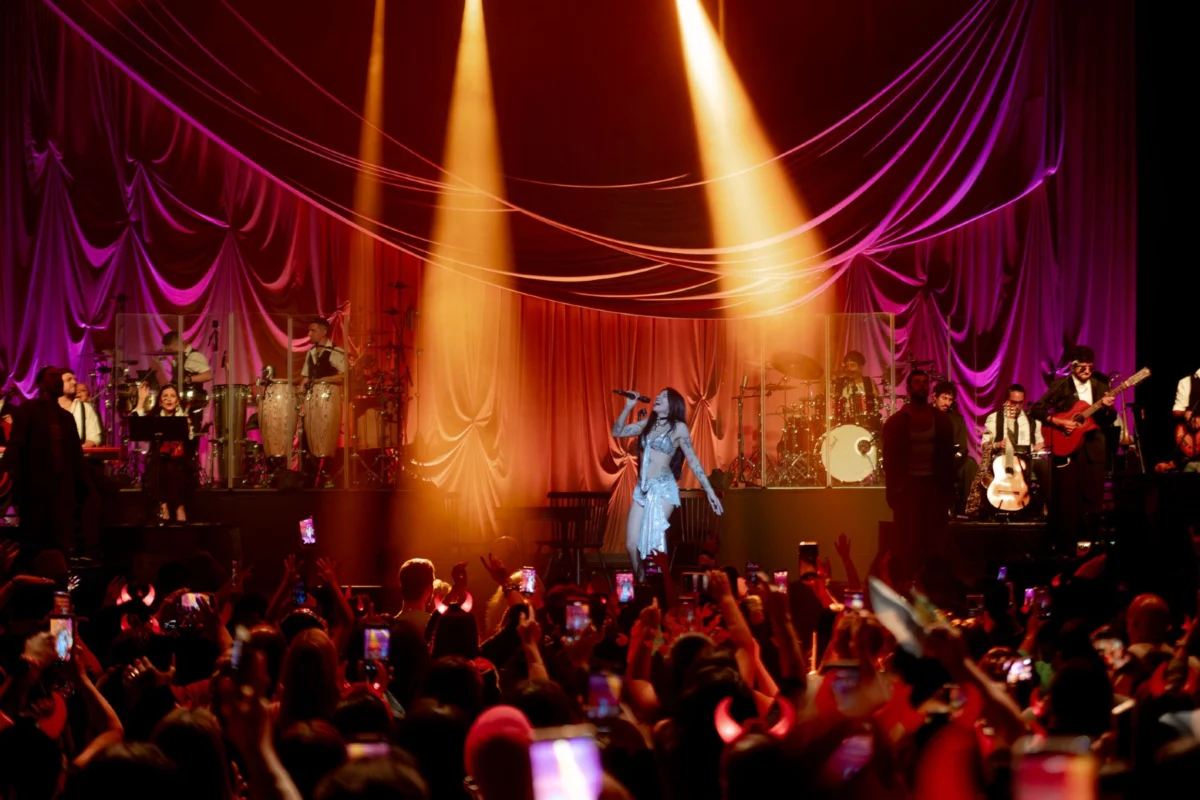
The Argentine music landscape reached a significant peak on the global stage Wednesday night, May 6, 2026, as Julieta Cazzuchelli, known professionally as Cazzu, delivered a career-defining performance at the Infosys Theater at Madison Square Garden. Marking a pivotal stop on her first-ever headlining tour of the United States, the artist—frequently referred to as "La Jefa del Trap"—successfully translated her regional dominance in South America into a high-concept, sold-out spectacle in the heart of New York City. The evening was characterized by a meticulous blend of avant-garde theatricality, Argentine cultural heritage, and the raw, urban energy that has defined her trajectory since her emergence in the late 2010s.
A Night of Gothic Romance and Cultural Synthesis
The atmosphere within the Infosys Theater was electric long before the artist took the stage. Fans, many adorned with glowing red devil horns—a signature emblem of Cazzu’s branding—created a sea of crimson light in the darkened venue. This visual synchronicity set the stage for a performance that was as much a theatrical production as it was a musical concert. The show, which spanned approximately two and a half hours, was structured as an odyssey through the various facets of Cazzu’s artistry: gothic romance, fierce female empowerment, and deep-seated national pride.

Opening the set with "Ódiame," a haunting bolero from her critically acclaimed 2025 album Latinaje, Cazzu immediately established a tone of sophisticated melancholy. The choice to open with a traditional Latin American genre underscored the central theme of her tour: the reclamation and modernization of heritage. Accompanied by live instrumentation that included folk elements rarely seen in mainstream trap performances, the opening act felt more akin to a Broadway drama than a typical urban concert.
As the night progressed, the production transitioned through various movements. The stage design, characterized by dark, industrial aesthetics juxtaposed with soft, romantic lighting, mirrored the duality of her music. Choreographed segments flowed seamlessly between sensual tango-inspired movements and the aggressive, high-energy movements associated with modern trap and drill music. This synthesis of the traditional and the contemporary served as a testament to Cazzu’s role as a bridge-builder between generations of Latin music listeners.
From 30 Fans to the Garden: A Journey of Persistence
One of the most poignant moments of the evening occurred when Cazzu paused the music to address the audience directly. Visibly moved by the scale of the venue and the fervor of the crowd, she reflected on her humble beginnings in the United States. "Good evening, New York!" she exclaimed, her voice conveying a mixture of disbelief and triumph. "When would I have ever imagined myself saying, ‘Good evening, New York’? Crazy."

The artist recalled her first performance in New York City several years prior, noting that she had played to a room of only 30 people in a small, local venue. The contrast between that intimate start and the sold-out capacity of the Infosys Theater at Madison Square Garden served as a powerful narrative of the "Argentine wave" that has swept the global music industry. Her speech highlighted the importance of persistence and the growing appetite for Spanish-language music that does not conform to traditional pop tropes. "I promise you I will never forget this night," she told the crowd, "and I hope you keep this show in your memories too."
Statistical Impact and Billboard Chart Performance
The commercial success of the New York show is mirrored by Cazzu’s recent performance on the Billboard charts, which underscores her growing influence in the North American market. Following the release of Latinaje last year, the album made an immediate and significant impact. It debuted at No. 4 on the Top Latin Pop Albums chart and secured the No. 48 spot on the broader Top Latin Albums list.
These rankings are historic for Cazzu, marking her first significant appearances on these specific U.S. charts. Industry analysts suggest that her success is part of a broader trend where "Southern Cone" artists—those from Argentina, Chile, and Uruguay—are finding massive success in markets traditionally dominated by Caribbean and Mexican sounds. The data indicates a 22% increase in streaming for Argentine urban artists in the U.S. over the last 18 months, with Cazzu leading the female vanguard of this movement.

The "Latinaje" tour, promoted by Live Nation, has become one of the most talked-about Latin music events of the 2026 spring season. The decision to book prestigious venues like the Infosys Theater at MSG rather than smaller clubs reflects a calculated move by promoters to position Cazzu as a top-tier global headliner.
Intimacy and Versatility: The Karaoke Segment
Despite the grand scale of the production, Cazzu utilized the middle portion of her set to cultivate intimacy with her audience. Transforming the stage into what felt like a private lounge, she initiated an "intimate karaoke session." This segment allowed her to pay homage to the icons who paved the way for her success. Most notably, her tribute to the late Tejano queen Selena Quintanilla resonated deeply with the diverse Latinx crowd in attendance.
By performing covers of classics alongside her own heartbreak ballads, Cazzu demonstrated a vocal versatility that is often overlooked in the trap genre. Her ability to pivot from the rhythmic complexities of "Turra" to the soulful, melodic demands of a ballad showcased a level of musicianship that has solidified her status as a "musician’s artist." This versatility is a key component of her longevity, allowing her to appeal to older demographics who appreciate traditional vocal talent while maintaining her "cool factor" among Gen Z fans.

Broader Implications for the Latin Music Industry
Cazzu’s triumph at Madison Square Garden is more than just a personal victory; it is a signal of the shifting tectonics within the global music industry. For decades, the "Latin explosion" was primarily defined by artists from Puerto Rico, Colombia, and Mexico. Cazzu’s success, alongside peers like Duki and Nicki Nicole, represents the solidification of Argentina as a powerhouse exporter of urban culture.
The "Latinaje" tour also highlights the evolving nature of live performances in the post-streaming era. As fans seek more than just a reproduction of digital tracks, Cazzu’s emphasis on "Broadway-style" production values and live instrumentation sets a new standard for urban tours. It suggests that for Latin artists to break into the highest echelons of the U.S. market, they must offer a holistic artistic experience that transcends language barriers.
Furthermore, the involvement of Live Nation in promoting an Argentine trap artist’s first U.S. tour indicates high corporate confidence in the genre’s ROI (Return on Investment). The tour’s trajectory—moving from the Northeast into the heart of Texas and concluding in the Latin music hub of Florida—is designed to capture a broad cross-section of the American demographic.

Looking Ahead: The Remainder of the Latinaje Tour
As the New York residency concludes, the momentum behind Cazzu shows no signs of waning. The artist is scheduled to travel to Texas, where she will perform in cities with high concentrations of Latin music enthusiasts, including Houston and Dallas. These stops are expected to further solidify her presence in the American South, a region that has become increasingly vital for Latin touring circuits.
The tour is set to wrap up on May 21 at the Hard Rock Live in Hollywood, Florida. This final show is anticipated to be a celebratory homecoming of sorts, given the large Argentine diaspora in the Miami area. If the New York performance is any indication, the remainder of the tour will continue to be a showcase of artistic evolution and cultural pride.
In the final analysis, Cazzu’s performance on May 6 was a masterclass in modern stardom. By honoring her roots while pushing the boundaries of her genre, she has not only secured her place in the history of Madison Square Garden but has also paved a clearer path for the next generation of South American artists to claim their space on the world’s most prestigious stages. The "Latinaje" era is not merely a collection of tour dates; it is a manifesto of a new era in global music.