 Reynand Wu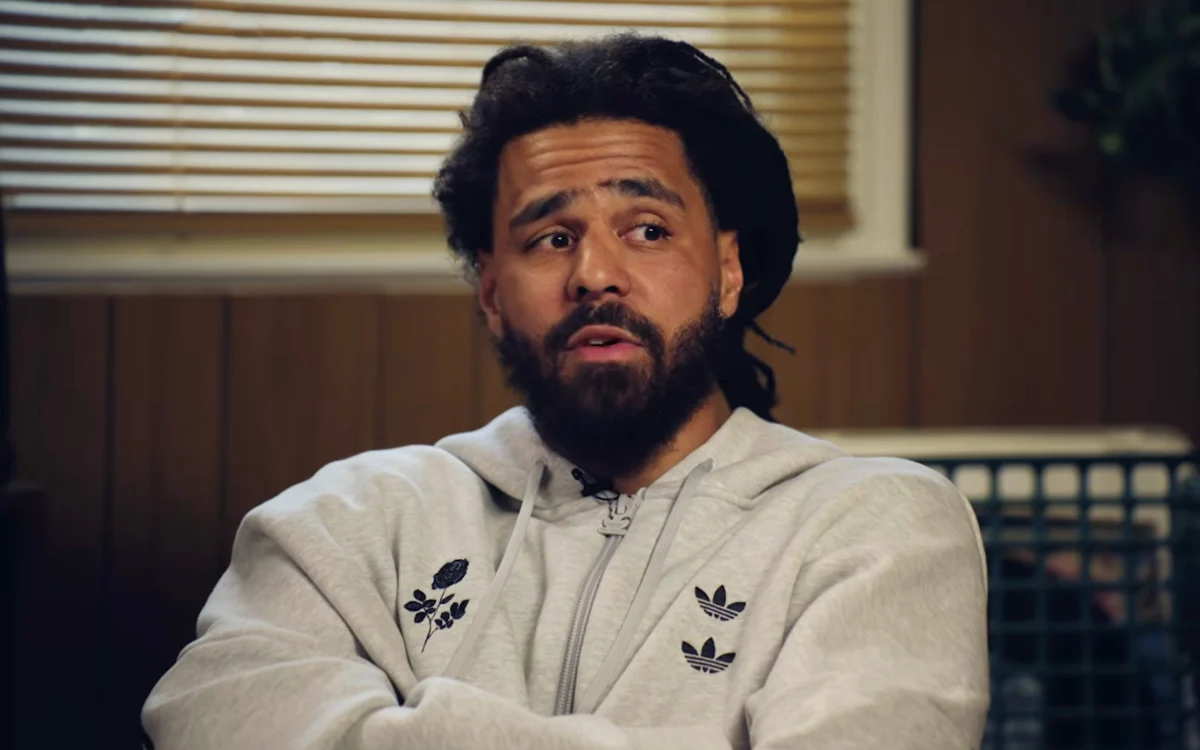
J. Cole has finally offered an expansive commentary on the high-profile rap conflict between Drake and Kendrick Lamar, marking his first series of interviews since his controversial withdrawal from the rap battle earlier this year. The Dreamville co-founder delved into the motivations behind his decision to apologize for his since-deleted diss track, "7 Minute Drill," and shared his candid perspectives on the aftermath, including the public backlash, his current relationship with both artists, and his observations on the divisive nature of modern hip-hop fandom.
The Genesis of Conflict: A Brief Overview
The rap world was set ablaze in late March 2024 when Kendrick Lamar unleashed a seismic verse on Metro Boomin and Future’s track "Like That," from their collaborative album We Don’t Trust You. Lamar’s lyrical assault directly challenged Drake and J. Cole, effectively dismantling the "big three" narrative that had dominated rap discourse for years, where he, Drake, and Cole were often lauded as the genre’s preeminent figures. Lamar’s pointed bars, including the now-infamous line "It’s just big me," signaled a clear intention to assert his singular dominance and ignited a rap beef of unprecedented scale in recent memory.
Prior to Lamar’s aggressive stance, the relationship between the three artists had been characterized by a complex mix of collaboration, implied rivalry, and mutual respect. Drake and Cole had recently collaborated on "First Person Shooter," a track from Drake’s 2023 album For All the Dogs, which seemingly reinforced their camaraderie and positioned them together in the rap hierarchy. Lamar’s "Like That" verse, however, shattered this perceived truce, forcing a clear division and demanding responses.
J. Cole’s Initial Foray and Swift Retreat
In the immediate wake of Lamar’s lyrical provocation, the hip-hop community eagerly anticipated reactions from Drake and J. Cole. Cole was the first to respond, releasing "7 Minute Drill" as part of his surprise project Might Delete Later on April 5, 2024. The track featured Cole directly addressing Lamar’s disses, evaluating his discography, and asserting his own position. While some initially praised Cole for stepping into the arena, the track’s reception was mixed, with many critics and fans deeming it a lukewarm response that lacked the biting intensity expected in a high-stakes rap battle.
However, just two days after its release, at his annual Dreamville Festival in Raleigh, North Carolina, J. Cole made a stunning announcement. During his performance, he publicly apologized to Kendrick Lamar, expressed regret for releasing "7 Minute Drill," and stated his intention to remove the track from streaming platforms. This unprecedented move, a public apology and retraction in the midst of a brewing rap war, sent shockwaves through the industry and ignited a fierce debate among fans and pundits about the ethics and expectations of rap beef. The track was indeed removed shortly thereafter, leaving many to question Cole’s motives and the implications for his standing in the rap hierarchy.
Behind the Apology: Emotional Turmoil and Personal Reflection
In a series of candid conversations, including an in-depth interview with Apple Music’s Nadeska Alexis centered around his latest album The Fall Off, J. Cole elaborated on the profound personal and emotional turmoil that led to his rapid retraction of "7 Minute Drill." He revealed that the decision to apologize to Kendrick Lamar was not premeditated but rather a sudden realization that struck him approximately an hour before he took the stage at Dreamville Fest.
"The idea hit me about an hour before [I went out on stage at Dreamville Fest]," Cole recounted. He described an immediate sense of relief and exhilaration that accompanied this realization. "In that moment, I felt lifted and I got light and I got excited." This feeling was a stark contrast to the preceding two to three days, which he described as agonizing. "Because the two or three days before that, I was stressing the fuck out. I felt like I had misrepresented myself. I was giving life to division and to negative storylines about somebody that I fuck with and I got love for and care about."
Cole’s internal conflict stemmed from a deep-seated respect and affection for Lamar, a sentiment that made engaging in a direct lyrical confrontation feel incongruous with his personal values. "That shit had me feeling terrible. I was like, ‘This shit don’t feel right’… I felt miserable about it." His decision to bow out was a conscious effort to realign his actions with his conscience, prioritizing personal integrity over the conventional demands of rap battle culture.
The emotional weight of his decision extended to his personal life. Cole revealed that his wife "started crying" when he informed her of his intention to make peace with Kendrick. This reaction, he explained, was a testament to her understanding of his genuine regard for Lamar and the immense stress the situation had placed upon him. "She knows how I feel about him and she saw how it was weighing on me the two or three days before that," he explained, underscoring the profound impact the beef had on his mental well-being. This personal revelation offers a rare glimpse into the human cost often overlooked in the spectacle of public feuds, particularly in a genre where vulnerability is often seen as a weakness.
Navigating the Aftermath: Public Scrutiny and Personal Doubt
J. Cole was acutely aware that his decision to "wave the white flag" would invite significant criticism and scrutiny from the hip-hop world. The unwritten rules of rap beef often dictate an unyielding commitment to the battle, with any form of retreat or apology viewed as a sign of weakness or a blow to one’s credibility. Cole acknowledged the "widespread backlash" that ensued, a reaction that, despite his internal peace, still made a "dent in his confidence."
"The world didn’t give a fuck [about how great I felt after the apology] and they were fucking me up – my name, my reputation," he admitted. While the initial "lightness" he felt after the apology provided a buffer against the immediate onslaught of criticism, the sustained negative discourse eventually took its toll. "Although the lightness that I felt made it easier to deal with, over time I had to process that shit and I had to get right."
The public’s reaction was swift and often harsh, with many fans and commentators interpreting his withdrawal as a concession, a sign that he was not prepared for the intensity of a battle with Kendrick Lamar. Some, like veteran rapper Fat Joe, openly stated that Cole had "tainted his legacy" with the apology. This type of criticism, delivered across social media platforms, podcasts, and traditional media, created a pervasive narrative that Cole had to confront internally.
Despite the persistent self-doubt that crept in, Cole maintained that his actions were inherently correct. "It always felt like the right move, but there were times where I thought, ‘Damn, ngga, you’re fucking done* right now. It’s over!’" he confessed, highlighting the profound fears and anxieties that accompanied his decision. "That brought up emotions and fears that I had to sit with and fight." The omnipresence of online discourse made it nearly impossible to escape the noise. "Every other muthafucking video" he encountered on YouTube seemed to be about him. The intensity was so great that friends and acquaintances reached out to check on his mental state. "I knew it was bad because people were calling and texting to check on me like, ‘You good, bro?’" he joked, underscoring the overwhelming nature of the public reaction.
Current Dynamics with Drake and Kendrick: A Complex Relationship
In a separate interview with Cam’ron, which also served to publicly resolve a previous "bizarre legal battle" between the two artists, J. Cole offered insights into his current relationship with both Drake and Kendrick Lamar following the tumultuous events of 2024. His assessment revealed a nuanced and somewhat distant dynamic, characterized by underlying affection but a lack of consistent communication.
"I’m in the same place where I genuinely love these nggas, but I’m not gonna act like we’ve been communicating and talking," Cole stated, emphasizing the reality of their current professional and personal separation. While he confirmed having "conversations with them post everything," he clarified that these interactions were not frequent or in-depth, suggesting a period of cooling off and re-evaluation among the former "big three." "That’s me not knowing where they’re* at," he added, acknowledging the uncertainty surrounding their perspectives and feelings toward him.
Cole expressed a personal desire for reconciliation and connection, even admitting to the impulse to reach out to them informally. "I genuinely love these n*ggas. I be wanting to shoot off a text." He even acknowledged the potential perception of this sentiment, noting, "Even saying that on the mic is kinda lame to me, but it is my truth." This admission underscores his genuine human connection to his peers, transcending the competitive nature of their profession and the recent conflict. It reflects a desire for the kind of camaraderie that existed before the public feud, even as the landscape has irrevocably shifted.
Critique of Fan Culture and Industry Response
Beyond his personal journey, J. Cole used his platform to voice profound "disgust" at the intense polarization that gripped the hip-hop community during the Drake-Kendrick Lamar beef. He lamented the immediate and aggressive division among fanbases, drawing parallels to the often-toxic nature of political discourse.
"Right away, the world became like politics – you either Democrat or Republican; you either Kendrick or Drake. You gotta pick a side," Cole observed, expressing dismay at the lack of nuance and the demand for absolute allegiance. This forced binary, he argued, stripped away the appreciation for individual artistry and fostered an environment of animosity rather than critical engagement.
His criticism extended specifically to what he perceived as a "campaign" to dismantle Drake’s reputation in the wake of his perceived loss in the battle. "Creatively, it’s not my place to say [whether it got out of hand]. But to me it’s disgusting how people tried to use that opportunity to either show how they really felt about Drake the whole time or just pile on and tear this dude down and create a narrative as if he’s not great. It was a whole campaign, and probably still is to this day." This highlights Cole’s concern over the performative aspects of online outrage and the tendency for collective opinion to snowball into sustained character assassination, often detached from objective artistic critique.
The intensity of the "piling on" against Drake reflects a broader trend in digital culture, where public figures are often subjected to rapid shifts in perception and intense scrutiny. The immediate post-beef narrative largely declared Kendrick Lamar the victor, leading to an amplified critical assessment of Drake’s catalog and legacy. Cole’s comments suggest a deeper concern about the fairness and sustainability of such a cutthroat environment, where an artist’s entire career can be summarily dismissed based on the outcome of a single public conflict.
Acknowledging Victory, Lamenting Loss
Despite his critique of the fan culture, J. Cole did not shy away from acknowledging Kendrick Lamar’s undeniable triumph in the rap battle. He expressed genuine pride in Lamar’s success and the significant cultural moments that followed his decisive victory, including his star-studded "Pop Out" concert in Los Angeles, his impactful presence at the Super Bowl, and his continued accolades at events like the Grammys.
"When I saw Kendrick get the moment he had – the Pop Out, the stadium, the Super Bowl, the Grammys – I’m just as proud of this n*gga as I was when I knew him back then," Cole affirmed, showcasing his enduring respect and admiration for Lamar as both an artist and a peer. This statement underscores the deep-rooted personal history and mutual respect that, for Cole, transcends the competitive nature of their craft.
However, this pride was tempered by a profound sadness for Drake’s predicament. Cole expressed his dismay at the harsh treatment Drake received and the rapid shift in public sentiment against him. "But I also hate that for Drake and I hate how the world has turned on him," he confessed. This duality of emotion – celebrating one peer’s success while lamenting another’s struggles – speaks to the complex personal dynamics at play within the industry, where individual careers are often intertwined yet subjected to separate judgments.
In a final gesture of solidarity, Cole expressed hope for Drake’s future endeavors, specifically mentioning his rumored project Iceman. "Simultaneously, I’m also like, ‘I hope Iceman goes crazy!’" This sentiment not only reveals Cole’s continued support for Drake but also subtly challenges the prevailing narrative of Drake’s career being "over," suggesting a belief in his ability to rebound and reclaim his standing. It’s a testament to the enduring bond, however strained, among artists who have navigated similar paths to the pinnacle of the music industry.
Implications for Hip-Hop and J. Cole’s Legacy
J. Cole’s interviews offer a critical introspection not just into his personal decisions but also into the broader state of hip-hop and its culture of competition. His withdrawal from the beef, while initially met with skepticism and criticism, has sparked a conversation about the nature of lyrical warfare in an age dominated by social media and instant public reaction. Some argue that his move was a display of maturity and a redefinition of what it means to be a "winner" in rap, prioritizing mental health and personal values over adhering to traditional battle rap expectations. Others maintain it was a missed opportunity to solidify his position, leaving a question mark over his battle prowess.
The intense fan division highlighted by Cole underscores the increasing tribalism within music fandom, mirroring societal trends. This "pick a side" mentality, fueled by online platforms, can often overshadow artistic appreciation and lead to reductive narratives about complex artists. Cole’s "disgust" serves as a cautionary tale about the potential for digital discourse to devolve into destructive campaigns against artists, regardless of their past achievements.
For J. Cole himself, these interviews serve to clarify his actions and perhaps reshape his legacy. By explaining the emotional and ethical motivations behind his apology, he presents himself as an artist deeply committed to integrity and human connection, even at the cost of public perception in a fiercely competitive genre. Whether this re-contextualization will ultimately strengthen or diminish his standing among the pantheon of rap greats remains to be seen, but it undeniably adds a unique chapter to his career narrative. His willingness to speak candidly about his fears, his love for his peers, and his observations on the industry provides valuable insight into the pressures faced by top-tier artists in the modern music landscape.
The full interview with Cam’ron aired on Tuesday, March 24, at 10 PM ET on REVOLT and became available on Wednesday, March 25, at 5 PM ET on YouTube, providing further context to these unfolding narratives.