Indra Aziz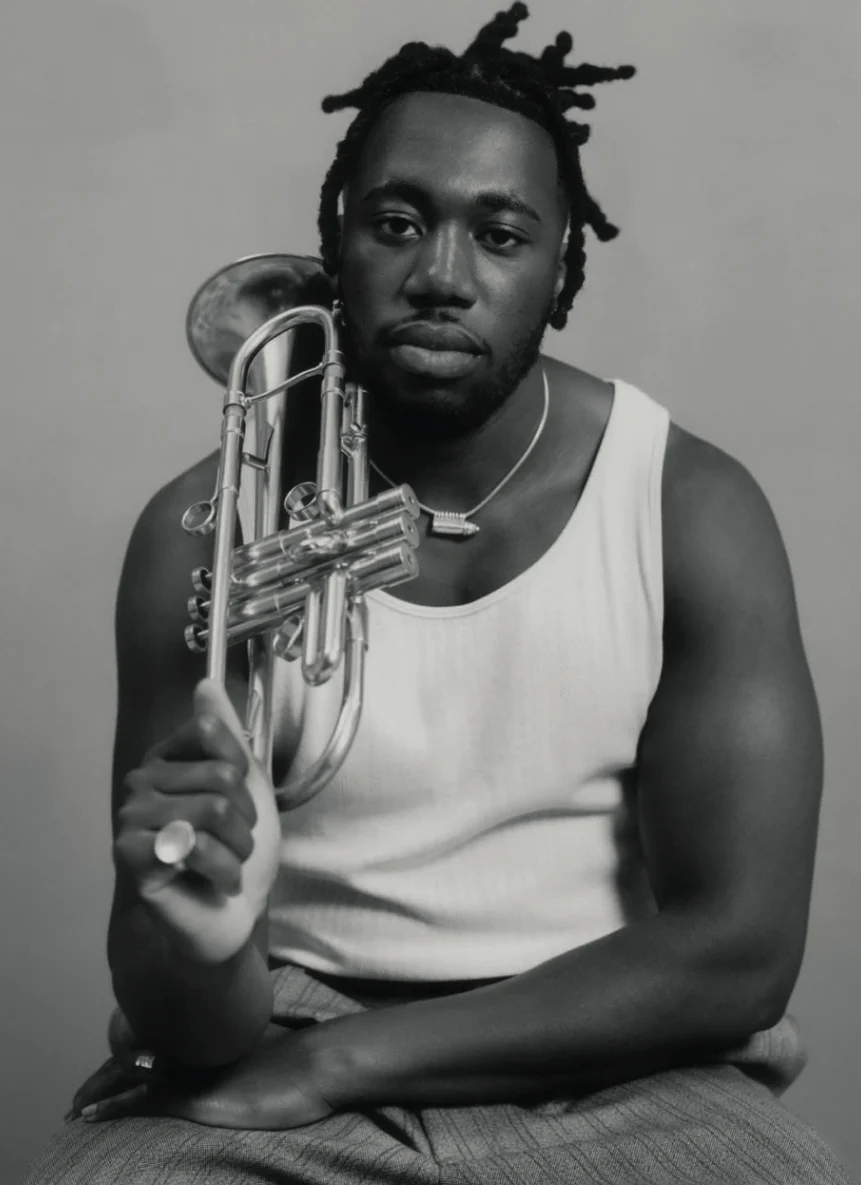
Ife Ogunjobi is at the vanguard of a movement to reintroduce jazz and instrumental music to a contemporary audience, challenging its perceived place as mere background music for affluent social circles. His work, both as a solo artist and as a pivotal member of the BRIT Award and Mercury Prize-winning ensemble Ezra Collective, is actively reshaping how a new generation engages with a genre historically steeped in innovation and controversy.
The Complex Legacy of Jazz
Jazz, born from the crucible of slavery in 19th-century America, emerged as a profoundly revolutionary musical form. Its inherent spirit of improvisation and boundary-pushing experimentation, however, was not always met with universal acclaim. Early criticisms, often veiled in racist undertones, echoed sentiments that would later be directed at genres like rap and hip-hop in the 21st century. Commentators of the time decried jazz as a catalyst for social ills, linking it to "sexual deviancy and social disease." Even the esteemed philosopher Theodor Adorno, a prominent figure in the Frankfurt School, dismissed it as a "tool of mass deception and social control," highlighting a recurring historical pattern where groundbreaking art forms, particularly those originating from marginalized communities, face suspicion and intellectual dismissal.
However, the socio-political landscape and the perception of jazz have evolved significantly. While its revolutionary past is undeniable, jazz in the contemporary era often occupies a more subdued role, frequently serving as an ambient soundtrack to "third spaces"—places of social gathering distinct from home or work—for the middle classes. Ogunjobi’s mission is to reclaim the vibrant, forward-thinking essence of jazz, injecting it back into the mainstream consciousness.
A Multifaceted Musical Identity
When questioned about his approach to the genre’s historical baggage, Ogunjobi articulated a perspective rooted in his lived experience and artistic influences. "Obviously jazz has a very specific origin story," he conceded to CLASH, "but I was born in 2000, and some of the guys in the band are born in the ’90s. We love jazz but we also love funky house, garage, grime, Afrobeats. I wouldn’t be offended if someone called me a jazz musician but you could call me anything under the umbrella of those genres." This statement underscores a deliberate embrace of eclecticism, recognizing that contemporary musical identities are rarely confined to single, rigid classifications. Ogunjobi’s willingness to inhabit multiple sonic territories reflects a broader trend among younger artists who see musical genres not as exclusive boxes but as interconnected threads in a rich tapestry of sound.
The Trumpet’s Captivating Call
Ogunjobi’s musical journey began with a diverse upbringing, exposed to a wide array of Black-derived genres at home. Formal education introduced him to the piano and recorder, but it was witnessing the legendary South African trumpeter Hugh Masekela perform that ignited his enduring passion for the trumpet. "It was my first time hearing the trumpet in a live context," Ogunjobi recalled. "Something about the power of the instrument just really spoke to me. I feel like my personality shines the most through that instrument." This profound connection to the trumpet’s expressive capabilities has become a defining characteristic of his artistry, allowing him to channel his personality and emotions with unparalleled clarity.
Echoes of the Past, Visions of the Future
The sense of childlike wonder that Masekela’s performance inspired has remained a guiding force in Ogunjobi’s musical development. He vividly remembers being captivated as a child by his father’s ringtone: Fela Kuti’s iconic "Water No Get Enemy." "The way that song starts is just so iconic," he mused. "Every time his phone rang, I was just like, What song is this? And then it wasn’t until later on in my life it actually then clicked." This early exposure to the potent storytelling and infectious rhythms of Afrobeat pioneers like Kuti has undoubtedly informed his own creative output, imbuing it with a similar sense of cultural resonance and enduring appeal.
The Ezra Collective Phenomenon
A pivotal moment in Ogunjobi’s career was a chance encounter at a youth music camp with Femi Koleoso, the bandleader of Ezra Collective. This meeting quickly led to Ogunjobi joining the group as their lead trumpet player. The trajectory of Ezra Collective has been nothing short of meteoric, captivating audiences worldwide through their electrifying live performances and an intrinsic, thoughtful musicality that stands in stark contrast to the often ephemeral nature of contemporary music. "It’s the joy that they see from us on stage, and the joy that we have for each other," Ogunjobi explained, attributing the band’s magnetic connection with crowds to this shared sense of euphoria. "It resonates a lot with the crowd and helps them to experience moments of joy in their life." This emphasis on shared joy and authentic performance resonates deeply in an era where digital connection often trumps tangible experience.
"Tell Them, I’m Here": A Solo Declaration
This spirit of unadulterated joy permeates Ogunjobi’s solo work, particularly his EP, "Tell Them, I’m Here." The artwork for the EP, depicting a younger Ogunjobi entranced by his trumpet, serves as a potent visual metaphor for embracing one’s authentic self and pursuing aspirations without reservation. The EP itself is a call to unapologetically be oneself and to arrive at one’s own pace. It acts as a stimulus for the next generation, encouraging them to nurture their inner child and "dream bigger than what they can see." Across the EP, Ogunjobi masterfully crafts a palpable sense of time and place. Tracks like "East Street Market," inspired by his childhood surroundings off Walworth Road, evoke the bustling energy of urban life, while the sun-drenched sounds of "Cali," featuring Samm Henshaw, hint at West Coast hip-hop influences, demonstrating his fluid command of diverse sonic palettes.
A Future Forged in Celebration and Unity
Despite being in the relatively nascent stages of his career, Ogunjobi has already garnered significant accolades. Ezra Collective’s success has been marked by two prestigious awards, and Ogunjobi also contributed to the Grammy-winning soundtrack for the "Marley" film, working with Afrobeats icon Wizkid. For many artists, such achievements would represent the zenith of their professional lives. For Ogunjobi, however, these recognitions serve as affirmations of his belief that the genres he has championed since his youth are not relics of the past but vital components of the future, offering potent avenues for celebration and unity.
The Unifying Power of Music
At the core of all Ife Ogunjobi’s musical endeavors lies a fundamental desire to create a unifying and restorative experience for the listener. "Music is meant to make your bad times bearable, and to make your good times even more enjoyable," he stated. "As long as I can do that for people, that’ll be my main goal as I move through my career." This philosophy positions music as a powerful therapeutic force, capable of enhancing life’s highs and mitigating its lows. It is a testament to Ogunjobi’s artistic vision that he seeks to imbue his work with such profound emotional resonance, aiming to connect with audiences on a deeply human level through the universal language of sound. His innovative approach, blending historical depth with contemporary relevance, ensures that jazz and instrumental music will continue to evolve and captivate for generations to come.