Muhammad Ibadurrohman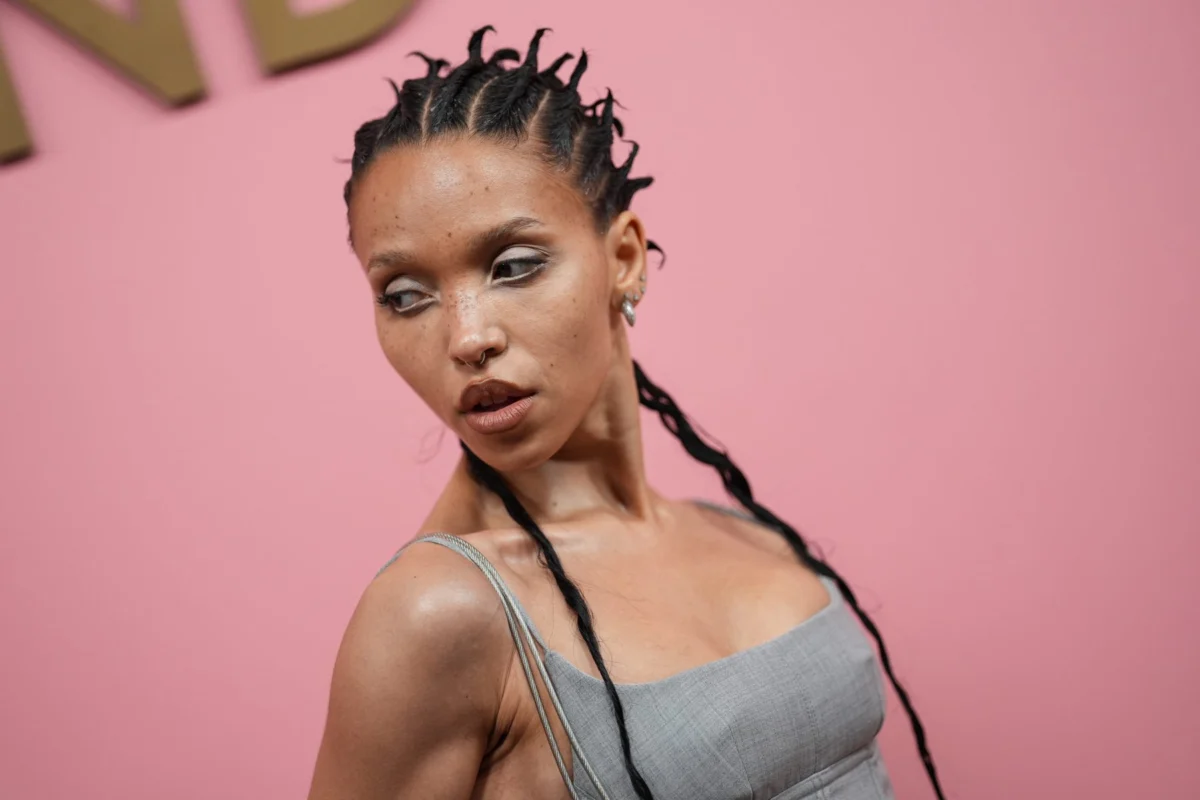
British superstar FKA Twigs, born Tahliah Barnett, has taken decisive legal action against the indie band The Twigs, comprising twin sisters Laura Good and Linda Good, in a burgeoning trademark dispute that she contends was resolved years ago. The lawsuit, filed on Friday, March 20, 2026, accuses the duo of "weaponizing" trademark law to extract a "seven-figure payout" and disrupt her globally recognized career. Barnett’s legal team asserts that The Twigs have repeatedly issued cease-and-desist letters, threatening an injunction to prevent her from using her stage name, despite a decade of apparent acquiescence to her use of the moniker.
This legal confrontation surfaces at a critical juncture for FKA Twigs, coinciding with the launch of her global "Body High Tour," highlighting the significant commercial and reputational stakes involved. The core of Barnett’s argument rests on the assertion that The Twigs have known about her stage name for over a decade and, by their prolonged silence, have forfeited any legitimate claim to challenge her use of the mark now. Her legal filing explicitly states, "Defendants’ attempts to weaponize these barred and unmeritorious trademark claims… in order to disrupt Barnett’s over-a-decade-long, uninterrupted use of the FKA Twigs mark for defendants’ own gain… are improper and must cease."
The Genesis of a Naming Conflict: A Decade of Contention
The dispute traces its origins back to the 1990s when Laura and Linda Good began performing under the name The Twigs. Their career, while not reaching mainstream global recognition, saw them release albums and tour, establishing their brand within certain music circles. Tahliah Barnett, on the other hand, emerged onto the music scene in the early 2010s, adopting the stage name FKA Twigs. The "FKA" prefix, meaning "formerly known as," was initially used to distinguish her from another artist who also went by "Twigs," a nickname she earned due to the way her joints would crack. This deliberate addition was intended to mitigate any potential confusion, a common practice among artists seeking unique identities in a crowded industry.
The initial skirmish in this naming battle occurred in 2014, shortly after FKA Twigs began garnering significant critical acclaim and public attention for her innovative sound and distinctive visual artistry. At that time, The Twigs initiated a trademark infringement lawsuit against Barnett. Their argument was based on their prior use of the name and the potential for consumer confusion. However, that case saw a pivotal development when a judge declined to grant The Twigs a restraining order that would have compelled FKA Twigs to cease using her stage name. Following this setback, The Twigs subsequently withdrew their lawsuit.
According to FKA Twigs’ current court filings, after the withdrawal of that "patently frivolous" earlier case, The Twigs "simply disappeared" from the legal landscape concerning the name dispute. For an extensive period of approximately 10 years, from 2014 until May 2024, Barnett’s attorneys claim that "defendants neither contacted Barnett nor challenged her use of FKA Twigs, fully acquiescing to such use." During this decade of silence, FKA Twigs invested "extraordinary time, effort and resources building a successful career and brand under the FKA Twigs name," establishing herself as a globally recognized music artist, producer, and performer. This period of sustained growth and brand development forms a crucial pillar of her current legal defense.

Resurgence of Demands and FKA Twigs’ Preemptive Strike
The dormant dispute abruptly reignited in May 2024 when The Twigs reportedly began sending a fresh wave of cease-and-desist letters to FKA Twigs. These communications, emerging "out of nowhere" after a decade of silence, demanded that Barnett either cease using her stage name or provide a substantial financial settlement, allegedly a "seven-figure payout." Faced with these renewed threats, and seeking to protect her established brand and ongoing career, FKA Twigs launched her current lawsuit on March 20, 2026. Her legal action is effectively a preemptive strike, seeking a declaratory judgment from the court that she is not infringing on The Twigs’ trademark and that their claims are without merit.
This strategic move aims to nullify The Twigs’ threats and provide legal certainty for Barnett, allowing her to continue her artistic and commercial endeavors without the specter of impending litigation. The timing of the lawsuit is particularly notable given FKA Twigs’ "Body High Tour" and her recent appearance at Pandora’s Talisman Collection Launch in September 2025, underscoring the high-profile nature of her brand and the potential disruption such legal challenges could pose.
Legal Arguments: Acquiescence, Laches, and Likelihood of Confusion
FKA Twigs’ legal strategy hinges on several key arguments, primarily focusing on the principles of laches, acquiescence, and the absence of a likelihood of confusion – fundamental tenets of trademark law.
The Doctrine of Laches and Acquiescence
Barnett’s lawyers contend that The Twigs’ decade-long silence constitutes both laches and acquiescence. The doctrine of laches generally prevents a party from asserting a claim if they have unreasonably delayed in doing so, and this delay has prejudiced the opposing party. In this context, FKA Twigs argues that The Twigs’ failure to pursue their claims for ten years, while she built her brand, constitutes unreasonable delay. Acquiescence, a related concept, occurs when a trademark owner, through their conduct, implicitly or explicitly consents to another’s use of a similar mark. FKA Twigs’ legal team argues that The Twigs’ silence for a decade, especially after their initial lawsuit was withdrawn, signifies their tacit agreement or acceptance of Barnett’s use of her stage name. During this period, FKA Twigs made significant investments in marketing, touring, and merchandise, all under the disputed name, making it inequitable to allow The Twigs to assert their claims now.
Absence of Likelihood of Confusion
Perhaps the most critical element in any trademark infringement case is proving a "likelihood of confusion" among consumers. This requires demonstrating that consumers are likely to believe that the goods or services offered under the junior mark (FKA Twigs) are somehow associated with, sponsored by, or originate from the senior mark (The Twigs). FKA Twigs’ attorneys argue that it is "inconceivable" that any reasonable listener would confuse the two musical acts, given their vast disparities in recognition, commercial scale, and artistic profiles.
To underscore this point, FKA Twigs’ legal filings present a stark contrast in the artists’ respective market presences:

- FKA Twigs: Boasts approximately 3.2 million monthly listeners on Spotify and over 300 million views on YouTube. Her global tours, critical acclaim, and distinctive artistic identity position her as a major force in contemporary music. Her genre-bending style, often described as avant-garde, electronic, R&B, and art-pop, appeals to a broad, international audience.
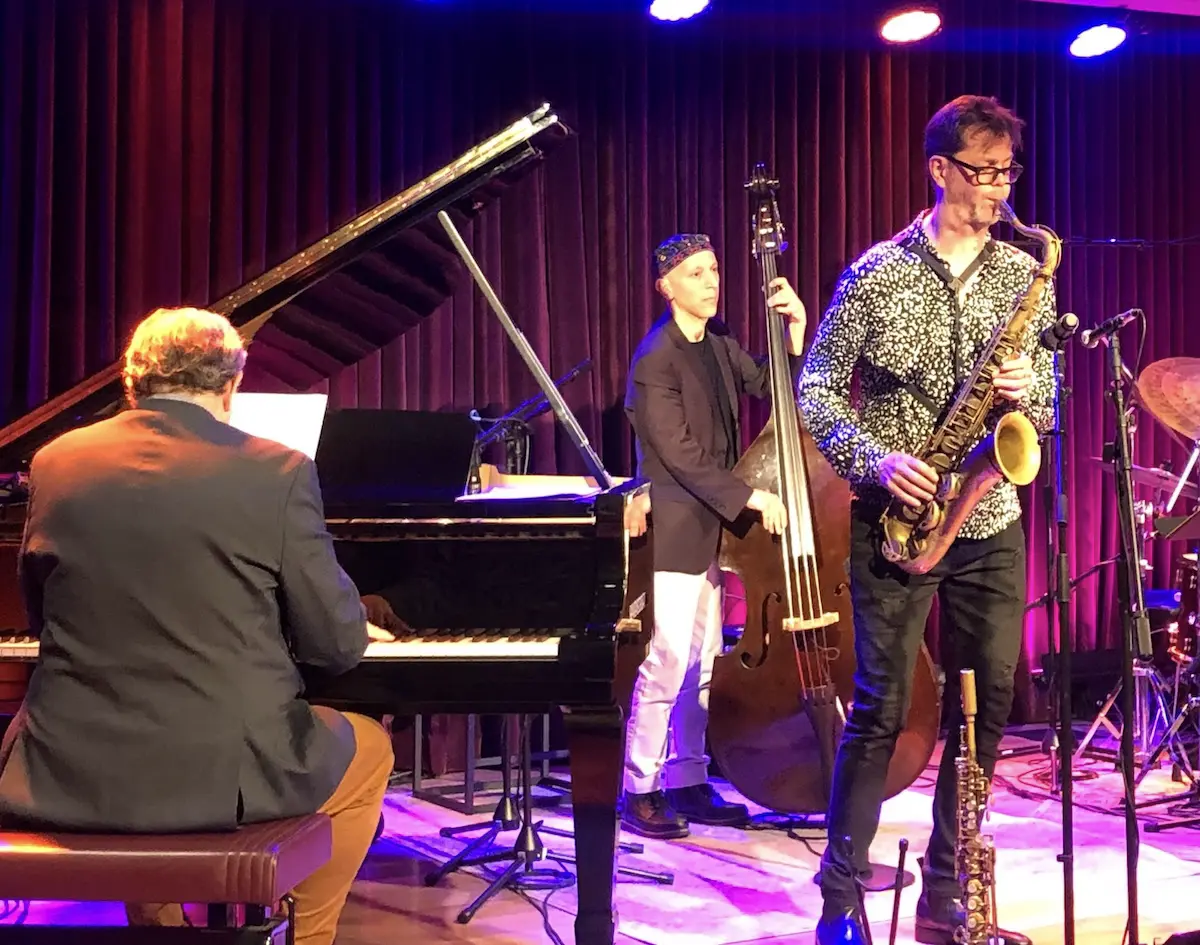
- The Twigs: Are characterized as an indie band with "limited recognition." Their reported metrics include 25 monthly listeners on Spotify, 67 subscribers and 19,332 views on YouTube, and 705 followers on Instagram. These figures, as highlighted in the court documents, illustrate a significantly smaller and more niche audience, operating within an entirely different segment of the music industry.
"In the more than a decade that Barnett and Defendants have co-existed, there is not a shred of credible evidence of actual confusion between their respective offerings," FKA Twigs’ lawyers assert. "That is unsurprising. The parties operate in entirely different commercial ecosystems." The argument posits that the mere similarity of a portion of their names does not automatically lead to consumer confusion, especially when one artist is a global superstar and the other has a significantly smaller, independent following. Furthermore, the inclusion of "FKA" in Barnett’s stage name serves as an explicit differentiator, signaling that she is "formerly known as" something, implying a distinct identity from any other "Twigs."
The Twigs’ Inferred Stance and Potential Counterarguments
While official statements from The Twigs’ representatives were not immediately available, their alleged actions – sending cease-and-desist letters and demanding a seven-figure payout – indicate a strong belief in their prior rights to the name and a perceived infringement by FKA Twigs. Their legal position, if they choose to actively contest the lawsuit, would likely center on:
- Prior Use: Emphasizing their use of "The Twigs" since the 1990s, predating FKA Twigs’ emergence.
- Erosion of Distinctiveness: Arguing that FKA Twigs’ rise to prominence has overshadowed their established brand, potentially causing their audience to incorrectly associate them with the superstar or diminish their unique identity.
- No Actual Acquiescence: Potentially arguing that their withdrawal of the 2014 lawsuit was not an act of acquiescence but a strategic decision at the time, or that they were monitoring FKA Twigs’ growth, and the recent increase in her fame has now made the infringement more impactful and financially damaging. They might argue that the ‘seven-figure payout’ is a reasonable compensation for the perceived damage to their brand or for FKA Twigs to license the name.
- Potential for Future Confusion: Even if current confusion is low, they might argue that the disparity in fame could lead to "reverse confusion," where consumers might mistakenly believe The Twigs are infringing on FKA Twigs’ name, or that FKA Twigs is the "original" Twigs, thereby harming their brand.
Broader Implications for Trademark Law in the Music Industry
This case, if it proceeds to trial, could have significant implications for trademark law, particularly concerning artist names in the dynamic music industry.
- The Weight of Acquiescence: It will test how much weight courts place on a period of prolonged silence (a decade in this instance) by a trademark holder, especially when the alleged infringer has made substantial investments during that time. This could reinforce the importance of timely enforcement of trademark rights.
- Disparity in Fame and "Likelihood of Confusion": The stark contrast in the artists’ commercial success and reach will provide a compelling case study on how courts assess the "likelihood of confusion" when one party is globally famous and the other is relatively niche. It highlights the challenge of applying traditional trademark principles to a rapidly evolving digital music landscape where artists of vastly different scales coexist.
- Strategic Litigation: FKA Twigs’ preemptive lawsuit for a declaratory judgment is a common but strategically significant move. It forces the issue into court on her terms, potentially allowing her to control the narrative and seek a definitive resolution rather than reacting to The Twigs’ demands.
- Cost of Disputes: Regardless of the outcome, such legal battles impose significant financial and emotional burdens on artists. The cost of litigation, coupled with the distraction from creative work, can be substantial, especially for independent artists. This underscores the need for clear legal advice and proactive trademark registration for emerging talents.
The music industry has seen numerous trademark disputes over artist names, from The Verve vs. The Verve Pipe to the recent "Lady A" controversy, illustrating the critical importance of an artist’s name as a unique identifier and valuable intellectual property. An artist’s name is not merely a label; it’s a brand, a source of identity, and a repository of goodwill built through years of creative output, touring, and fan engagement. Protecting this brand is paramount to an artist’s career longevity and commercial viability.
Conclusion
As FKA Twigs embarks on her global "Body High Tour," the legal cloud cast by The Twigs’ renewed claims presents an unwelcome distraction. Her lawsuit seeks not only to defend her stage name but also to affirm the principle that trademark claims, when delayed without reasonable cause, should not be weaponized for financial gain against an artist who has diligently built their brand. The courts will now grapple with balancing prior use rights against the doctrines of laches and acquiescence, and the practical reality of distinguishing between two acts with vastly different public profiles. The outcome of this case will undoubtedly be closely watched by artists and legal professionals alike, potentially shaping future approaches to naming rights in the ever-evolving music industry. As of the filing date, representatives for both FKA Twigs and The Twigs have not immediately returned requests for further comment on the ongoing legal proceedings.