Aveline Kirana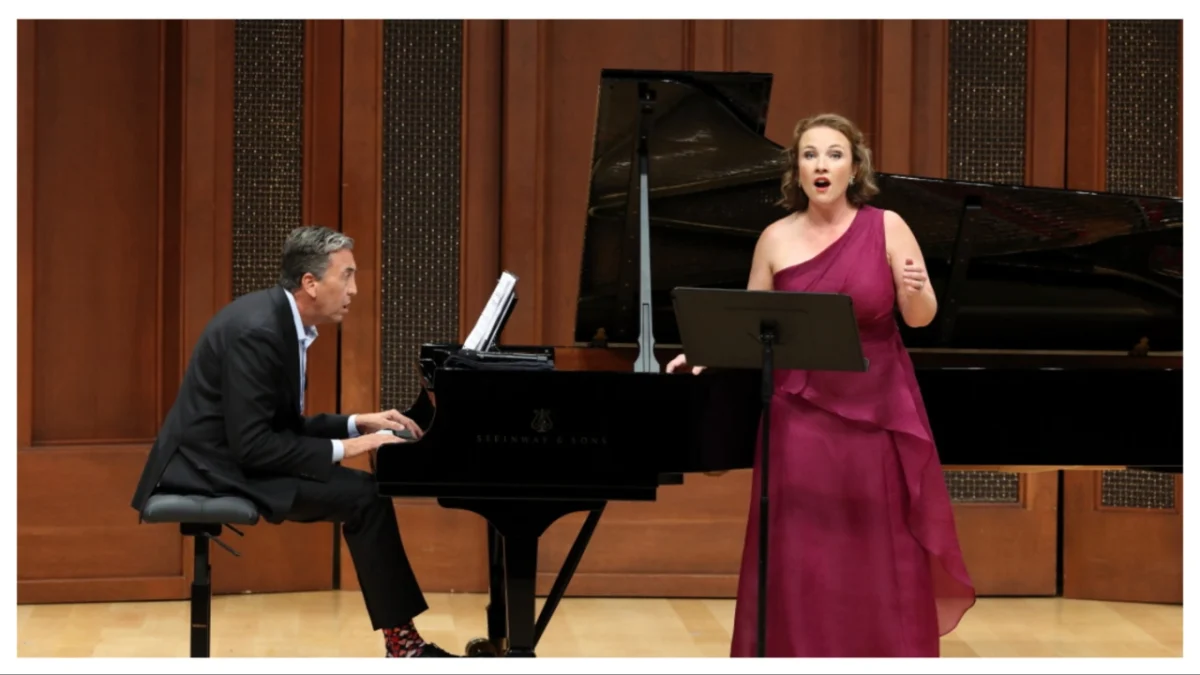
The Music Academy of the West has unveiled its highly anticipated 2026 Summer Music Festival and School, poised to captivate audiences and cultivate burgeoning talent under the evocative theme, "American Mosaic." This year’s program promises a rich tapestry of musical exploration, with a particular emphasis on the vibrant landscape of classical voice. From groundbreaking contemporary works to beloved classics, the festival offers a comprehensive immersion into the art form, showcasing both established luminaries and the next generation of operatic and art song performers. The season, set to unfold throughout July and into August 2026, is designed to celebrate the diverse artistic heritage of the United States, offering a compelling narrative through its carefully curated programming.
A Deep Dive into the Lehrer Vocal Institute’s Offerings
Central to the festival’s vocal programming is the esteemed Lehrer Vocal Institute, which will present a series of compelling performances and masterclasses. The institute’s fellows, representing a global cohort of exceptionally gifted singers, will be at the forefront of many of the season’s highlights.
The festival will commence its vocal presentations on July 1, 2026, with "Oh Beautiful: Songs from Home." This intimate recital will feature the Lehrer Vocal Institute fellows performing art songs that resonate with their personal origins and cultural backgrounds. This opening performance sets a tone of introspection and connection, allowing audiences to experience the diverse influences that shape a singer’s artistry and to hear the profound emotional resonance of music from different corners of the world, all unified under the overarching "American Mosaic" theme, which implicitly celebrates the multiplicity of voices and experiences that constitute the American cultural identity.
Following this opening, the Lehrer Vocal Institute Masterclass Series will convene from July 9 to August 6, 2026. This series will provide unparalleled learning opportunities for the fellows, guided by a roster of distinguished clinicians. Esteemed figures in the operatic and vocal world, including director Paul Curran, coach John Churchwell, and celebrated singers Sasha Cooke and Stephanie Blythe, alongside renowned collaborative pianist Martin Katz, will lend their expertise. These masterclasses are not merely pedagogical sessions; they often culminate in informal performance opportunities for the fellows, offering audiences glimpses into the intensive developmental process and the refinement of vocal technique and interpretive skill. The caliber of these clinicians underscores the Music Academy’s commitment to providing its students with access to the highest echelons of musical mentorship.
Exploring Contemporary and Classical Vocal Repertoire
The 2026 festival schedule is marked by a commitment to both established masterworks and adventurous contemporary compositions. On July 10, 2026, soprano fellow Tracy Waagner, accompanied by pianist Nino Sanikidze, will present Missy Mazzoli’s "In Her Own Words." Mazzoli, a recipient of the prestigious MacArthur Fellowship, is recognized for her innovative and evocative musical language. This performance offers a significant platform for a contemporary American composer and a promising young vocalist to engage with a work that explores complex emotional and narrative themes. The choice to feature Mazzoli’s work aligns with the festival’s "American Mosaic" theme by highlighting contemporary voices contributing to the nation’s artistic output.
A week later, on July 14, 2026, Lehrer Vocal Institute fellows will take center stage in "The Art of the Duet." This program will feature opera scenes reimagined under the directorial vision of Paul Curran. This exploration of operatic duets, a cornerstone of the vocal repertoire, provides fellows with opportunities to hone their dramatic and ensemble skills. Curran’s involvement suggests a fresh perspective on these familiar works, potentially infusing them with new dramatic insights and staging innovations. The selection of duets will likely span various operatic eras, further contributing to the mosaic of styles and traditions presented throughout the festival.
The festival continues its exploration of diverse vocal expressions on July 18, 2026, with Sasha Cooke performing in Jasmine Arielle Barnes’ "American Lament." Barnes, a composer whose work often delves into themes of identity and social commentary, presents a piece that is likely to resonate deeply within the context of the "American Mosaic." Cooke, a Grammy Award-winning mezzo-soprano, brings her formidable interpretive powers to this work, promising a moving and impactful performance. The inclusion of "American Lament" speaks to the festival’s engagement with contemporary issues and the ways in which music can serve as a vehicle for reflection and social discourse.
On July 23, 2026, a significant chamber music work will be presented: Shostakovich’s "Seven Romances on Poems by Alexander Blok." This powerful and emotionally charged cycle will be performed by soprano fellows Jordan Twaddle and Tracy Waagner. While Shostakovich was a Soviet composer, his work is often performed and studied internationally, and its inclusion can be seen as part of a broader artistic dialogue that transcends national borders, fitting within the "mosaic" concept by showcasing a globally recognized masterpiece interpreted by emerging American artists.
Premiering and Showcasing Full Operatic Productions
The festival also features a full operatic production that promises to be a major highlight. Kevin Puts and Mark Campbell’s "Elizabeth Cree" will be staged on July 23 and 26, 2026. Directed by Luisa Muller and conducted by Benjamin Manis, this opera, based on Peter Ackroyd’s novel "The Diversions of Phoebe Mayfair," is a recent addition to the operatic canon, having premiered in 2017. Its inclusion signifies the Music Academy’s commitment to presenting significant contemporary American opera. Puts is a Pulitzer Prize-winning composer, and Campbell is a highly sought-after librettist, making "Elizabeth Cree" a work of considerable artistic merit. The opera’s narrative and themes will undoubtedly add another layer to the festival’s exploration of American stories and artistic expression.
A Constellation of Stars and Emerging Talent
The programming continues to shine a spotlight on both established artists and the academy’s fellows. On July 30, 2026, the concert "Mirrors, Mars & Eternity" will feature tenor fellows Chris Leimgruber and Alec Fore, alongside instrumentalists John Churchwell, Robyn Bollinger, and Alan Stepansky. Mezzo-soprano fellow Maiya Williams will also perform, accompanied by instrumentalists Milan Milisavljević and Tamar Sanikidze. This eclectic program suggests a diverse range of repertoire, potentially spanning different genres and historical periods, curated to showcase the versatility of the fellows and the collaborative spirit of the festival.
A highly anticipated event will occur on August 4, 2026, when Mosher Guest Artist Stephanie Blythe takes the stage with select fellows for an all-American program. This performance will draw from the rich traditions of the Great American Songbook and Tin Pan Alley from the 1930s, juxtaposed with Alan Louis Smith’s "Vignettes: Ellis Island." Blythe, a celebrated mezzo-soprano known for her powerful voice and commanding stage presence, will bring her renowned artistry to this program, which directly engages with the "American Mosaic" theme by exploring different facets of American musical heritage and immigrant experiences. The pairing of popular song with a contemporary work focused on immigration is particularly potent, reflecting the diverse cultural narratives that form the fabric of American identity.
Culminating Events and Celebrations
The festival’s vibrant programming will culminate in two significant events. On August 7, 2026, the prestigious Marilyn Horne Song Competition will take place. This competition has long been a crucial platform for discovering and nurturing young vocal talent, providing aspiring singers with invaluable exposure and the opportunity to compete for significant recognition and potential career advancements. The competition’s namesake, the legendary soprano Marilyn Horne, has been a guiding force in vocal pedagogy, and her continued association with this event underscores its importance.
The Summer Music Festival and School will officially conclude with the Music Note Gala on August 14, 2026, featuring the illustrious Audra McDonald. A multi-award-winning performer, McDonald’s presence at the gala signifies a grand finale to the festival. Her participation not only draws significant attention to the event but also serves as an inspiring example for the fellows and attendees, embodying the pinnacle of achievement in the performing arts. The gala is typically a celebratory event, often including performances by fellows and esteemed guest artists, and it serves as a vital fundraising occasion for the Music Academy of the West, supporting its mission of artistic education and performance.
The "American Mosaic" Theme: Context and Implications
The selection of "American Mosaic" as the overarching theme for the 2026 Summer Music Festival and School is a deliberate and timely choice. In an era increasingly defined by global interconnectedness and a heightened awareness of diverse cultural narratives, this theme allows the Music Academy to explore the multifaceted nature of American identity through its musical output. The "mosaic" metaphor suggests a composition formed from disparate pieces, each distinct yet contributing to a harmonious whole. This can be interpreted across various dimensions: the diverse geographic origins of the fellows and faculty, the spectrum of musical styles and historical periods presented, and the varied cultural and personal experiences that inform artistic expression.
This theme also offers a framework for understanding the evolution of American classical music. From the influence of European traditions to the development of distinctly American genres and the ongoing integration of global influences, the nation’s musical landscape is a dynamic and ever-changing entity. By programming works that span from early American song traditions to contemporary compositions that address current social and cultural issues, the festival provides a comprehensive overview of this evolution. Furthermore, the focus on the Lehrer Vocal Institute and its fellows underscores the academy’s commitment to fostering a diverse cohort of artists who will, in turn, contribute to the ongoing creation of the "American Mosaic" through their future careers. The festival’s programming demonstrates a commitment to both preserving the legacy of great American music and commissioning and premiering new works that reflect the contemporary American experience. This dual approach ensures that the festival is not only a celebration of the past but also a vital incubator for the future of American classical music.