Nana Wu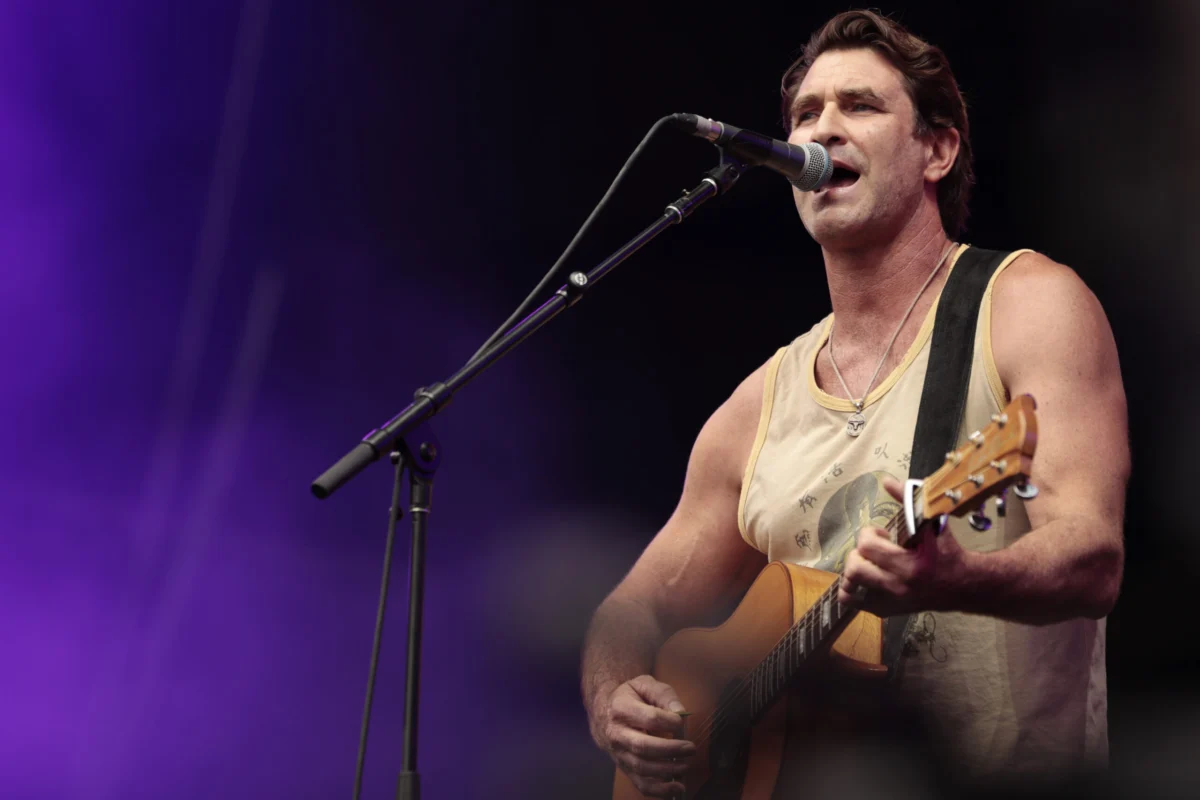
BRISBANE, Australia – The hallowed halls of Queensland’s Parliament House resonated with the rhythms of the state’s music industry on Wednesday, March 25, as the inaugural Queensland Parliamentary Friends of the Music Industry event for 2026 convened at The Speaker’s Green. This crucial gathering served as a vital forum for dialogue, advocacy, and a strategic health check for an industry grappling with significant challenges while simultaneously gearing up for the unprecedented opportunities presented by the 2032 Summer Olympic and Paralympic Games. The convergence of political leaders, industry executives, and celebrated artists underscored a shared recognition of music’s cultural and economic importance to the Sunshine State.
A Convergence of Influencers and Performers
The event drew a diverse array of stakeholders, emphasizing the multi-faceted nature of the music ecosystem. Among the distinguished guest speakers were John-Paul Langbroek, the state Minister for Education and the Arts, whose portfolio directly oversees cultural development; Kris Stewart, CEO of QMusic, the peak body for the Queensland music industry; and Luke Hede, Senior VP of Touring & Commercial for Live Nation APAC, representing the global live entertainment giant. The evening was co-chaired by Members of Parliament Shane King and Sam O’Connor, signaling cross-party support for the sector. Their collective presence highlighted the political will and industry leadership committed to fostering a thriving music landscape in Queensland.
The artistic centerpiece of the night was a captivating mini-set by three-time ARIA Chart champion, Pete Murray. Known for his soulful acoustic rock, Murray charmed attendees with renditions of his beloved hits, "Feeler" and "Opportunity," before engaging in discussions with politicians and industry figures. His performance served as a powerful reminder of the artistic talent nurtured by Queensland’s music scene and the direct human connection that underpins the industry’s value. Opening the proceedings was Brisbane’s own Will Day, showcasing emerging local talent and the foundational importance of grassroots artists. The event’s carefully curated program blended high-level policy discussions with direct artistic engagement, ensuring that the voice of the artist remained central to the evening’s agenda.
The Precarious State of Grassroots Venues
While the evening was marked by optimism for future growth, particularly with the 2032 Olympics on the horizon, discussions frequently pivoted to the immediate and pressing crises facing the industry’s foundational elements. QMusic CEO Kris Stewart eloquently encapsulated the prevailing sentiment, describing it as a "best of times, worst of times" scenario. His remarks underscored the stark dichotomy within the industry: monumental successes like Ed Sheeran’s record-breaking Brisbane concerts, which saw over 120,000 attendees and generated significant economic activity, coexisting with the alarming closure of vital grassroots venues.
Stewart specifically cited the recent shuttering of two cornerstone live music venues on Queensland’s Sunshine Coast: Solbar in Maroochydore and The Station in Birtinya. These closures, driven by a confluence of escalating operating costs, including rent, insurance, and licensing, coupled with evolving audience habits and post-pandemic recovery struggles, represent a severe blow to the local music ecosystem. These venues are not merely commercial enterprises; they are incubators for emerging talent, cultural hubs for communities, and essential training grounds for musicians and industry professionals. The loss of such spaces directly impedes the development pipeline for artists, limiting opportunities for performance, audience building, and skill refinement.
Stewart’s "pyramid" analogy resonated deeply: "Success is not about a race to the top. The pyramid of the music industry can’t be built with massive success of a few people at the top, and a battle for everyone who is the foundation of our industry." He emphasized that a truly healthy and sustainable industry relies on robust foundations, a vibrant network of grassroots venues, and unwavering support for emerging artists. The implications of these closures extend beyond immediate job losses; they threaten the cultural diversity of Queensland, diminish local nightlife economies, and ultimately undermine the state’s capacity to produce future headlining acts. Without these vital entry points, the entire industry superstructure risks instability.
The Shadow of Bluesfest’s Collapse
Adding to the industry’s current anxieties was the recent, devastating news of Bluesfest’s collapse. The popular camping festival, traditionally hosted just south of the Queensland border in Byron Bay, NSW, had been a calendar highlight for Australian and international music fans for decades. Its cancellation and subsequent appointment of a liquidator left potentially thousands of ticket holders, artists, vendors, and staff out of pocket, sending shockwaves through the broader live events sector.
Shane King MP acknowledged the severity of the situation, stating, "We need live music and music in generally to be growing, not failing. Sadly, we heard recently about Bluesfest, which has been devastating for the industry, and devastating for all of us." The demise of such a long-standing and respected festival highlights the inherent fragility of large-scale events, even those with established legacies. Factors such as rising production costs, increased insurance premiums, tighter regulatory environments, and the unpredictable nature of post-pandemic consumer spending have created a challenging landscape for festival organizers across Australia. The collapse of Bluesfest serves as a stark warning, reinforcing the urgent need for government and industry collaboration to safeguard the future of live music events, regardless of their scale. Its failure not only impacts the immediate economic participants but also erodes consumer confidence in the festival market, a critical component of the national music economy.

Government Initiatives and Forward-Looking Strategies
Against this backdrop of challenges, the Queensland government reiterated its commitment to supporting the night-time economy and the broader music industry. Guests at the event included prominent political figures such as Queensland Labor Party leader and former state premier Steven Miles, and Attorney-General Deb Frecklington, demonstrating bipartisan interest. Also present was John “JC” Collins, former Powderfinger bandmate and now Queensland’s Night-Life Economy Commissioner. Collins last year delivered the state’s first “Night-Life Economy Strategy,” a comprehensive document outlining a vision for the sector’s future.
Sam O’Connor MP, Minister for Housing and Public Works and Minister for Youth, provided an update on the strategy’s progress. He described it as an “in-depth, grounded, practical pathway forward for the nightlife in our state.” Crucially, O’Connor emphasized that the report was not intended to merely “gather dust on someone’s shelf,” but rather to be a catalyst for tangible change. The strategy is understood to encompass a range of policy areas, including streamlining licensing processes, addressing noise complaints through mediation and sensible planning, fostering cultural recognition of nightlife, and exploring economic incentives for venue sustainability. The government’s proactive approach, spearheaded by Collins’ unique industry perspective, is seen as a crucial step towards creating a more supportive regulatory and economic environment for music businesses and venues.
Further demonstrating a commitment to nurturing future talent, Minister Langbroek had the honor of announcing the winners of four legacy scholarships, awarded in partnership with Arts Queensland. Each recipient received A$15,000 (approximately US$10,400), a substantial financial leg-up designed to support the next generation of artists. The scholarships, named after iconic Queensland musicians, included the Carol Lloyd Award, presented to Paulina, and the Billy Thorpe Scholarship, awarded to Frank and Louis. These initiatives are vital for providing direct support to emerging artists, helping them navigate the often-precarious early stages of their careers, and ensuring a continuous flow of new talent into the industry. They symbolize a tangible investment in the state’s creative future, recognizing that today’s emerging artists are tomorrow’s cultural ambassadors.
The 2032 Olympics: Opportunity and Imperative
The looming presence of the 2032 Summer Olympic and Paralympic Games in Brisbane casts a long shadow, both of immense opportunity and significant responsibility. QMusic CEO Kris Stewart articulated the dual nature of this prospect. While the Games offer an unparalleled global spotlight, massive infrastructure investment, and a surge in tourism, they also present an imperative to ensure the music industry is not merely a peripheral backdrop but an integral and actively leveraged component of the cultural program.
Stewart’s vision is clear: "We will not have the next generation of Australian musicians on our stages in 2032 if we don’t protect our musicians and stages right now. These are commitments we can make to our industry. Every small thing we do, that follows that purpose, is something positive and important." He stressed that the groundwork for a culturally rich Olympic experience must begin immediately, by safeguarding and strengthening the grassroots infrastructure that nurtures talent. The Games offer a unique deadline and a powerful incentive to implement policies and support mechanisms that foster long-term growth, rather than just short-term gains. Strategic planning is underway to integrate local music extensively into the Olympic cultural festivals, opening avenues for Queensland artists to perform on international stages and showcase Australia’s vibrant musical identity to a global audience. This integration requires a robust pipeline of talent, which in turn necessitates a healthy ecosystem of venues and support systems.
Broader Impact and Future Outlook
The music industry’s economic contribution to Queensland is substantial, extending beyond direct ticket sales to tourism, hospitality, creative industries employment, and cultural export. Reports from industry bodies often cite the sector as a multi-billion-dollar contributor to the national economy, supporting tens of thousands of jobs. The challenges highlighted at the Parliamentary Friends event, particularly venue closures and festival cancellations, threaten this economic engine and the cultural fabric it weaves.
The discussions underscored that a vibrant music scene is intrinsically linked to the state’s overall appeal as a place to live, work, and visit. It enhances quality of life, attracts creative talent, and contributes to a dynamic cultural identity, all factors that become increasingly important in the lead-up to a major international event like the Olympics. The partnership between government and industry, as exemplified by this event, is therefore not just about cultural preservation, but about strategic economic development.
Looking forward, QMusic capitalized on the momentum of the midweek pow-wow by announcing the first wave of international guests for BIGSOUND 2026, its annual summit and showcase extravaganza. Set for September 1-4 in Brisbane’s Fortitude Valley, BIGSOUND is Australia’s premier music industry event, connecting local artists and businesses with global opportunities. The initial list of international representatives includes figures from Rough Trade Record Stores (U.K.), Bandcamp (U.S.), Hellfest (France), Low Profile Sync Agency (U.S.), and Sziget Festival (Hungary). These high-profile attendees signify BIGSOUND’s crucial role in fostering international collaboration, facilitating export opportunities for Australian music, and bringing global perspectives to local industry discussions. The announcement serves as a beacon of resilience and ambition, demonstrating the industry’s determination to not only overcome current hurdles but also to actively shape its global future.
In conclusion, the Queensland Parliamentary Friends of the Music Industry event served as a critical platform, articulating both the fragility and the immense potential of the state’s music sector. It reinforced the message that while the allure of the 2032 Olympics presents a glittering future, genuine and sustained success will only be achieved through a concerted effort to protect and nurture the grassroots foundations of the industry today. The collaborative spirit demonstrated by politicians and industry leaders offers a hopeful pathway forward, ensuring that Queensland’s unique musical voice continues to thrive and resonate, both locally and on the world stage.