Kholidah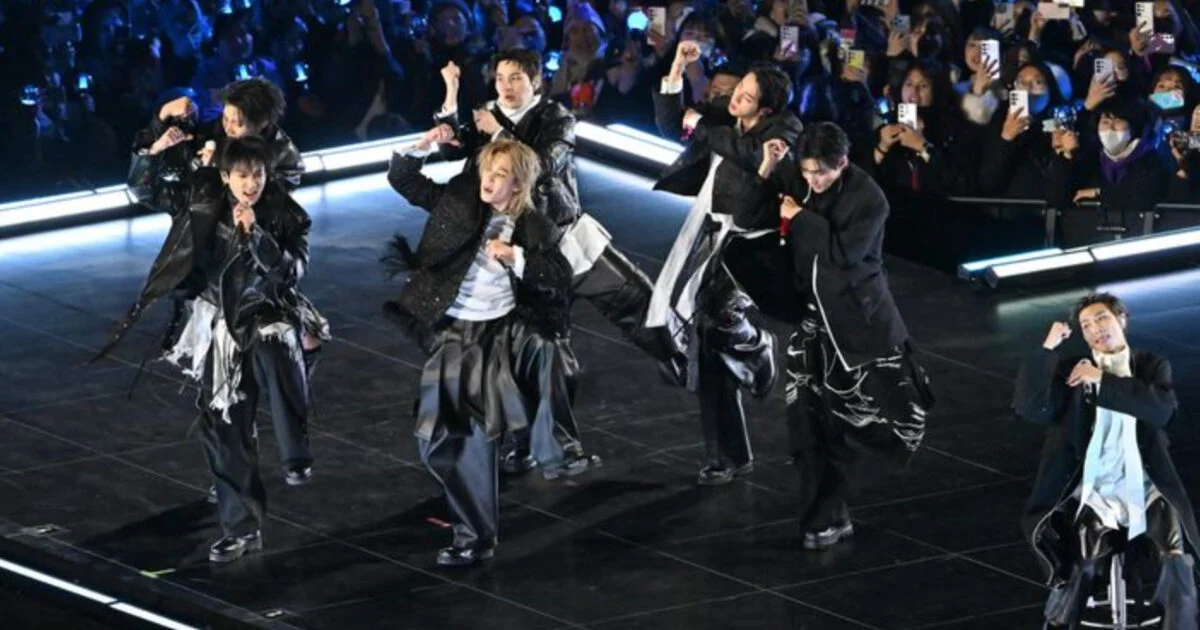
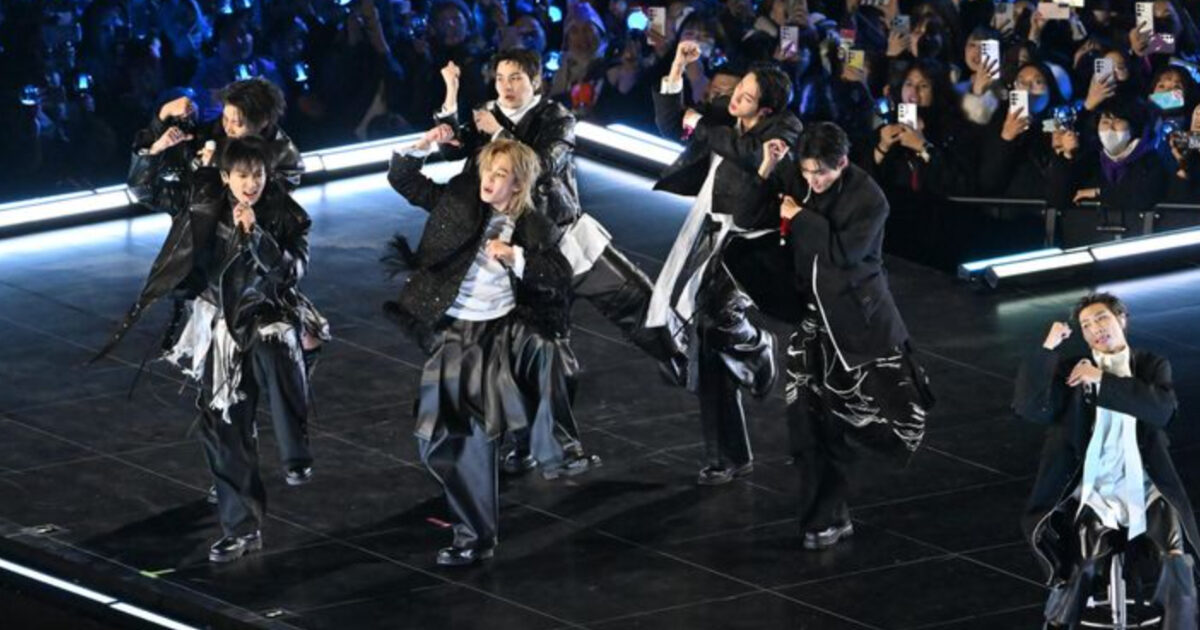
The intersection of global entertainment and urban infrastructure often creates friction, but rarely has the tension been as palpable as during the recent large-scale comeback performance by the K-pop group BTS at Gwanghwamun Square. While the event was intended to be a monumental celebration of the group’s return to the industry, it has instead ignited a firestorm of controversy regarding the management of public spaces and the rights of private citizens. Central to this backlash is the testimony of a professional wedding videographer whose account of the day’s logistical failures has highlighted the significant emotional and financial toll exacted on couples celebrating their nuptials in the heart of Seoul.
The Scale of the Gwanghwamun Disruption
Gwanghwamun Square, the historic and symbolic center of Seoul, frequently serves as a venue for national celebrations, political rallies, and cultural festivals. However, the scale of the BTS comeback stage, which took place in late March 2026, necessitated unprecedented security measures and traffic control. According to local reports, the Seoul Metropolitan Police Agency implemented rolling roadblocks and full closures of major arteries surrounding the square, including Sejong-daero and the streets leading toward the Blue House and various high-end hotel wedding venues.
The restrictions, which began in the early morning hours to accommodate stage construction and soundchecks, created a bottleneck that paralyzed local commerce and transport. For the general public, this meant longer commutes; however, for those with time-sensitive commitments—specifically wedding parties—the gridlock proved catastrophic.
First-Hand Testimony: A Professional Perspective
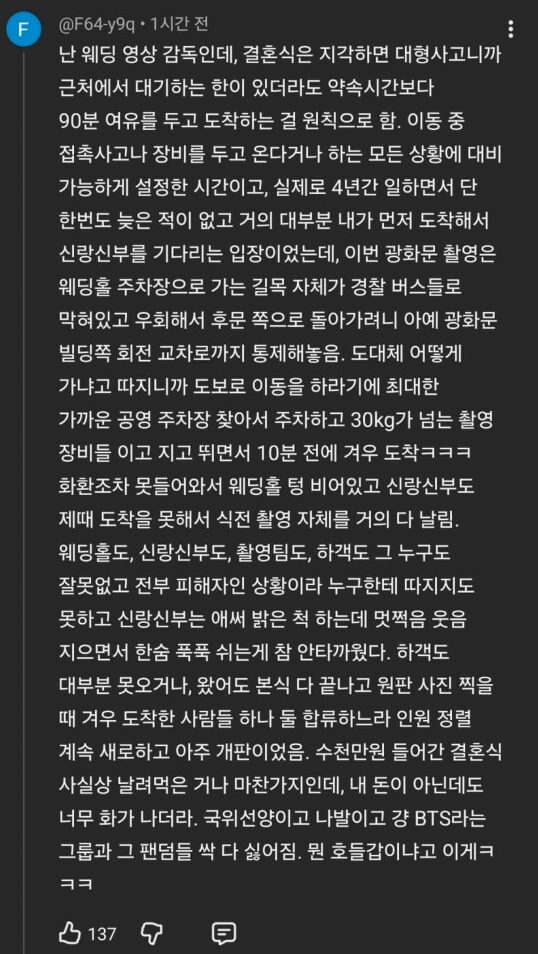
The controversy gained significant traction following a detailed account posted by a wedding videographer on the popular online community theqoo. The professional, who has operated in the industry for over four years without a single instance of tardiness, described a scene of logistical chaos that rendered traditional planning useless.
The videographer detailed a standard operating procedure of arriving 90 minutes prior to an event to account for unforeseen variables such as equipment failure or minor traffic. On this occasion, however, even a significant buffer was insufficient. Upon approaching the Gwanghwamun area, the videographer found the entrance to the venue’s parking lot entirely obstructed by police buses. When seeking alternative routes, they discovered that the local roundabouts and side streets had also been cordoned off to prioritize the movement of equipment and personnel related to the BTS performance.
"When I asked [the police] what I was supposed to do, they told me to walk," the videographer stated. This directive forced the professional to transport approximately 30 kilograms of high-end filming equipment on foot from a distant public parking lot. They arrived at the venue only ten minutes before the ceremony, missing the crucial pre-wedding footage that couples rely on for their commemorative films.
The Impact on Wedding Ceremonies
The videographer’s account shed light on a broader pattern of disruption that affected multiple ceremonies in the Gwanghwamun vicinity. The logistical failures extended beyond the arrival of vendors:

- Missing Floral Tributes: In South Korean wedding culture, large floral wreaths (geun-hwa) are a standard expression of respect and celebration from colleagues and family. The videographer noted that the venue was devoid of these wreaths because delivery trucks were denied access to the building.
- Delayed Principles: The bride and groom themselves were unable to navigate the traffic restrictions in a timely manner. Their late arrival meant that the traditional photo sessions with family and friends in the bridal waiting room—a staple of Korean weddings—were cancelled.
- Guest Attrition: A significant portion of the invited guests were unable to reach the venue. Those who did manage to arrive were often hours late, trickling in during the final stages of the ceremony.
- Financial Loss: Most wedding venues in central Seoul operate on strict 60-to-90-minute intervals. Delays do not result in extended time slots but rather in truncated ceremonies. Couples, who often spend tens of millions of won on these events, were left with incomplete memories and a rushed atmosphere.
The videographer described the heartbreaking sight of a couple attempting to maintain a happy facade for their remaining guests while clearly struggling with the reality that their carefully planned day had been compromised. "I felt so frustrated that they had blown away all their money for the wedding because of the Gwanghwamun event," the witness remarked.
Chronology of the Event and Traffic Management
The timeline of the disruption suggests a lack of coordination between the event organizers, the municipal government, and local businesses.
- 06:00 AM: Stage construction reaches peak activity; initial lane closures begin on Sejong-daero.
- 09:00 AM: Secondary cordons are established. Access to private parking lots for buildings within a 500-meter radius of the square becomes restricted.
- 11:00 AM – 2:00 PM: The peak window for weekend weddings. Traffic in the Jongno and Jung-gu districts reaches a standstill. Public transport, including buses, is rerouted, leaving elderly guests and those with heavy gear to navigate several blocks on foot.
- 4:00 PM: The BTS performance commences, drawing tens of thousands of spectators and further complicating the departure of wedding parties and the arrival of evening guests.
While the city of Seoul typically issues notices for major events, critics argue that the sheer density of the "BTS effect" was underestimated. The convergence of a global fandom and a high-security comeback event in a concentrated business and ceremonial district created a "perfect storm" of civilian inconvenience.
Official Responses and Public Sentiment
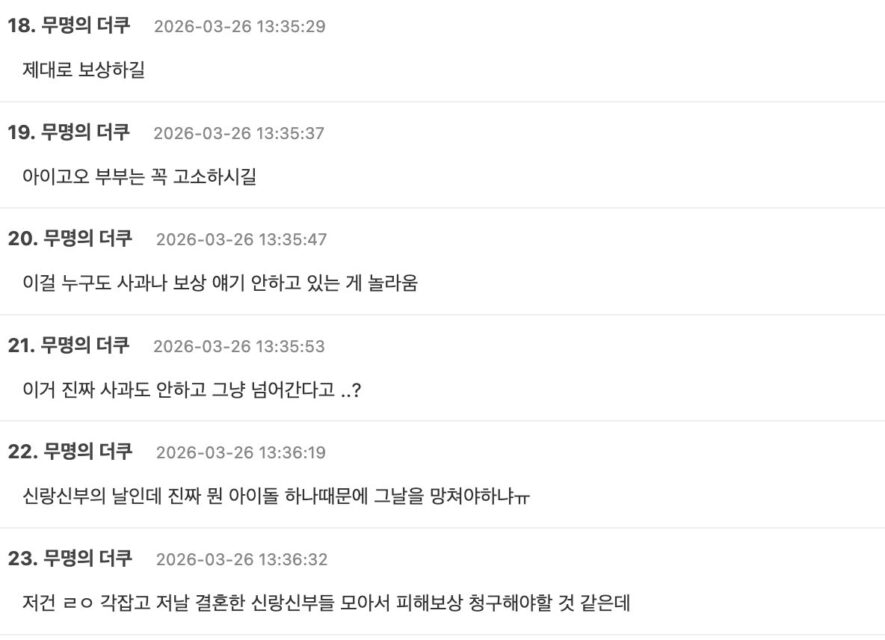
As of the latest reports, neither HYBE (the management agency for BTS) nor the Seoul Metropolitan Government has issued a formal apology specifically addressing the disrupted weddings. Historically, the city has maintained that public events at Gwanghwamun Square are conducted in the interest of "national prestige" and cultural promotion, which often supersedes individual grievances.
However, public sentiment is shifting. On social media platforms and community forums, netizens have expressed "fury" over the situation. Many argue that the "national prestige" argument is being used as a shield to ignore the basic rights of taxpayers. There are growing calls for the affected couples to organize a class-action lawsuit against the organizers or the city to seek compensation for the "ruined" ceremonies and the resulting emotional distress.
Legal experts suggest that while proving specific financial damages might be straightforward (e.g., the cost of undelivered flowers), claiming compensation for "emotional distress" or "ruined memories" in South Korean civil court is traditionally difficult. Nonetheless, the precedent of such a high-profile disruption could lead to stricter regulations on how and when Gwanghwamun Square can be used for commercial entertainment purposes.
Analysis of Implications: Soft Power vs. Civil Rights
This incident brings to the forefront a recurring debate in South Korean society: the balance between the nation’s "Soft Power" (Hallyu) and the daily lives of its citizens. BTS is undeniably a significant economic and cultural asset to South Korea, often acting as unofficial diplomats. However, when the machinery of their promotion interferes with significant life events like a wedding—which holds immense cultural and financial weight in Korea—the "national pride" narrative begins to fray.
The frustration expressed by the videographer—"Forget national prestige; it just made me hate BTS and the fandom"—is a sentiment that PR experts warn could lead to a domestic backlash. While the group members themselves were not responsible for the traffic planning, they become the face of the frustration.
Future Outlook and Urban Planning Recommendations
To prevent a recurrence of such widespread disruption, urban planners and event coordinators may need to reconsider the use of Gwanghwamun for non-state-sponsored entertainment. Potential solutions include:
- Mandatory Buffer Zones: Ensuring that access to private venues (hotels, wedding halls) is maintained via "green lanes" even during major closures.
- Off-Peak Scheduling: Limiting massive outdoor performances to late-night hours or weekdays when the density of private ceremonies is lower.
- Alternative Venues: Moving high-impact performances to purpose-built arenas like the Gocheok Sky Dome or the upcoming Seoul Arena, which are better equipped to handle large crowds without paralyzing the city’s historical core.
The Gwanghwamun incident serves as a cautionary tale for the entertainment industry. While the spectacle of a BTS performance is a global draw, the local cost of that spectacle is currently being weighed in the missed vows and empty chairs of Seoul’s wedding halls. For the couples who lost their "once-in-a-lifetime" moments, the music of the comeback was overshadowed by the silence of a ceremony that could never be fully realized.



![Sijya announces Leather and Brass [Retrofitted] EP, shares Do I Know [Rachika Nayar Edit]: Listen](https://empire-music.net/wp-content/uploads/2026/09/sijya-announces-leather-and-brass-retrofitted-ep-shares-do-i-know-rachika-nayar-edit-listen.webp)