Muhammad Hamdan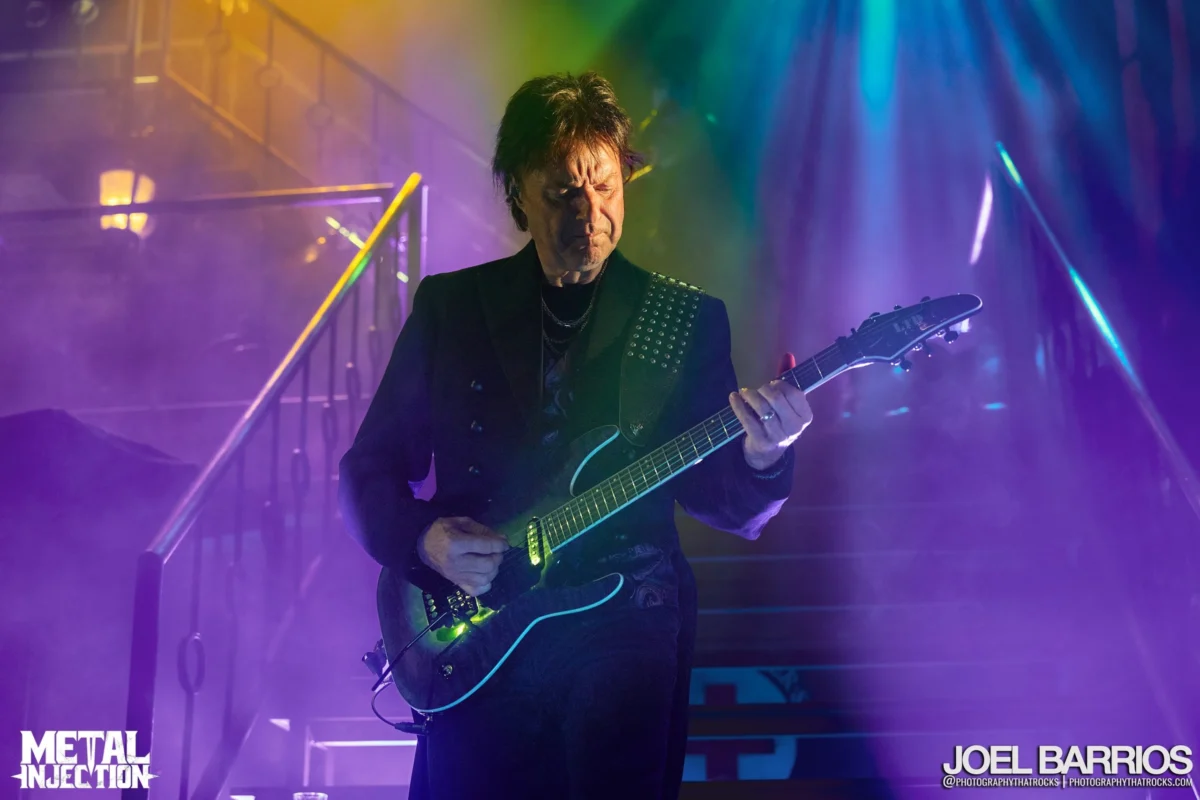
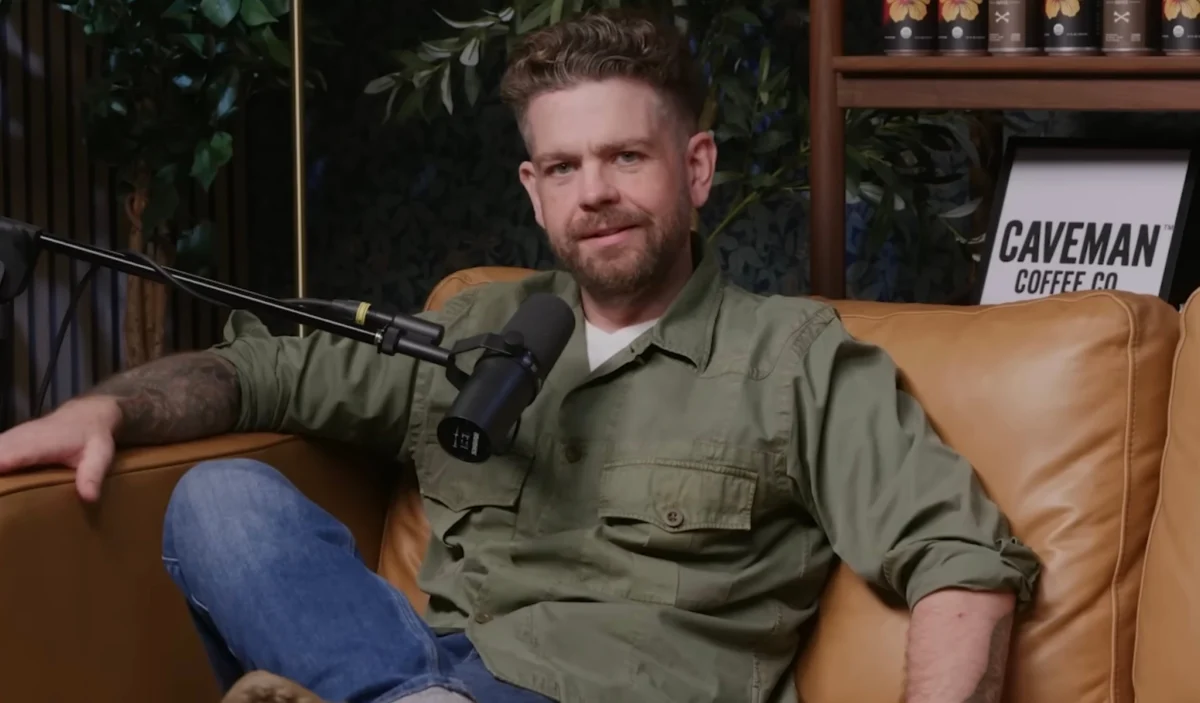
Guitarist Andy La Rocque of the iconic heavy metal band King Diamond has offered a detailed update on the highly anticipated horror trilogy project, sharing insights during an appearance on the Pod Scum podcast with host "Reckless" Rexx Ruger. The first part of this ambitious undertaking, tentatively titled Saint Lucifer’s Hospital 1920, is currently slated for a potential release in 2026. However, La Rocque expressed a degree of caution regarding the precise timeline, emphasizing the band’s commitment to delivering a high-quality product.
"I really hope so. That’s our goal," La Rocque stated regarding the 2026 target. He elaborated on the current progress of the songwriting, noting that the band possesses a substantial portion of the musical material. "We have most of the songs. I sent [King Diamond], I think, eight songs, like, four years ago, and we decided to use three of those. And we actually played one live from those songs," he revealed, as reported by Blabbermouth.net. This suggests a significant foundation has been laid for the new material, with some tracks already having seen a live performance, indicating their readiness for further development.
The guitarist further detailed the collaborative process, highlighting the crucial role of King Diamond himself in the final stages of composition. "As soon as he’s done with this stuff – he’s gotta write five songs, I believe, and he’s got a lot of the stuff already written down, with the lyrics and everything," La Rocque explained. "As soon as that’s recorded and arranged from his side, we can put the right guitars on, the right drums, bass, and everything. So I really hope it won’t take very long before we can continue working on that. And if that’s the case, we can start recording soon, and during the summer, then we have a chance for it to be released at the very end of the year." This indicates a clear path forward once King Diamond completes his lyrical and vocal arrangements, with a summer recording window being a key objective for a late 2026 release.
Guitarist’s Approach to King Diamond’s Distinctive Sound
La Rocque also delved into his personal approach to crafting guitar parts for King Diamond, drawing a distinction between his individual songwriting endeavors and his contributions to the band’s material. This nuanced perspective sheds light on the intricate balance required to uphold the band’s signature sound while also allowing for creative expression.
"It depends. Nowadays, King usually has a request for me to play the song the way he would like it to be played," La Rocque explained. "So I probably play my songs a little bit differently than his songs, because I know that, for example, he doesn’t like when I play the rhythms with a vibrato kind of thing at the end of a riff or whatever, because that might be interacting with his vocals that come on later." This direct feedback from King Diamond is instrumental in shaping the final arrangements, ensuring that the guitar work complements, rather than clashes with, the iconic vocal melodies and lyrical narratives. The emphasis on avoiding vocal interference highlights a meticulous attention to detail in the band’s production process.
Conversely, when composing his own material, La Rocque adopts a more unfettered creative stance. "But on my songs, I just do what I feel is right to do. I mean, if it’s good for the song, it’s probably good. And if it doesn’t fit, when he puts the vocal on, I change it. But first of all, I just write what comes out of the heart. I don’t really care what other people think about the style or whatever. I just write my stuff, and it’s kind of based in the ’80s." This reflects a personal artistic philosophy rooted in authenticity and immediate creative impulse, with a willingness to adapt later if necessary for the overarching song.
La Rocque also underscored the foundational elements of his personal songwriting style, which draws heavily from the melodic sensibilities of the 1980s. "I mean, standard tuning – we don’t tune down with King Diamond, so it’s standard tuning, pretty straightforward. And melodies are super essential. I think it’s so important to have melodies in the songs and create space for melodies, too, for the vocals. That’s really important." The adherence to standard tuning is a characteristic often associated with a particular era of heavy metal, and the emphasis on strong melodies and vocal space points to a deliberate crafting of songs designed for maximum impact and memorability.
The Intricate Songwriting and Recording Blueprint
The process of bringing a King Diamond song to fruition is a complex and meticulously orchestrated endeavor, as La Rocque elaborated upon in a separate interview with the Heavy Demons radio show in June. This detailed account provides a valuable glimpse into the band’s creative workflow, revealing a system that balances individual contributions with a collective drive for sonic perfection.
"Pretty much a complete demo with a programmed drum track and some keyboards on and some rhythm guitars," La Rocque described the initial stages of demo creation. "And I try to make my demos as complete as possible with everything – except for the vocals, of course – but sometimes even with some solos that we can use on the album, even, and the right guitar sounds, and hopefully the right keyboard sounds too." This dedication to producing comprehensive demos, often including pre-arranged solos and meticulously chosen sounds, sets a high bar from the outset, allowing all band members to grasp the full vision of a song.
The collaborative nature of the process shifts when King Diamond himself contributes. "When it comes to King’s stuff, he’s a little more basic with a few of the things. For example, the guitars – he lets me re-record the guitars. And then I put solo on, and then Pontus [Egberg], the bass player, puts the bass on and all that stuff," La Rocque explained. This division of labor demonstrates a clear understanding of each member’s strengths and roles within the band’s dynamic. King Diamond provides the foundational creative spark and lyrical direction, while La Rocque and Egberg then flesh out the instrumental arrangements.
The process extends to the entire band, with each member contributing from their own facilities. "And once that’s done, and we’re okay with the arrangement and stuff, we send that out to the other members in the band so they can start recording. For example, Matt [Thompson, King Diamond drummer] has his own recording studio in Dallas, where he lives. So when he gets the demo from us, he just mutes the drums, puts his drums on, and sends it to me so I can fix the drums and set up a good sound on everything," La Rocque detailed. This decentralized recording approach, facilitated by modern technology, allows for efficient progress without requiring constant physical proximity.
The workflow continues with other instrumentalists. "Same with the bass player and also with Mike [Wead, the other guitarist] – kind of the same procedure." This methodical passing of tracks ensures that each layer is meticulously recorded and integrated into the overall composition. The final stages involve King Diamond himself. "And once the drums are done, and we’re okay with everything, King is doing the vocals. So that’s about it." This marks the culmination of the instrumental tracking, paving the way for the distinctive vocal performance that is central to King Diamond’s identity.
However, the process is not entirely rigid, allowing for continued creative refinement. "And then, of course, we can go in and change a few things too. If something needs to be added or changed – a rhythm part on the guitar or solo, whatever needs to be changed – we can do that whenever. So it’s a pretty creative procedure." This flexibility ensures that the final product is not only a faithful realization of the initial vision but also an evolving work that benefits from ongoing creative input from all members.
Historical Context and Anticipation
The anticipation surrounding a new King Diamond studio album is considerable, given the band’s hiatus from releasing new full-length material since The Puppet Master in 2003 and Give Me Your Soul Please in 2007. The concept of a horror trilogy, first announced several years ago, has fueled speculation and excitement within the metal community. This ambitious project represents a return to the narrative-driven, thematic album structures that have defined King Diamond’s career, harkening back to seminal works like The Eye and Abigail.
The initial hints about new material date back to around 2014 when King Diamond himself first discussed plans for new songs and a potential concept album. Over the years, King Diamond and the band members have provided intermittent updates, often citing the complexity of the creative process and the demanding nature of King Diamond’s solo career, which includes extensive touring and his continued involvement with the reunited Mercyful Fate. The Saint Lucifer’s Hospital 1920 title, and the implied setting, suggests a continuation of the band’s signature macabre storytelling, likely drawing inspiration from historical horror tropes and psychological terror.
The inclusion of specific song counts and the mention of previously written material suggest that the writing phase is well underway, with the primary hurdle being the finalization of King Diamond’s vocal and lyrical contributions. This iterative process, where instrumentalists lay down tracks and the vocalist then crafts melodies and lyrics to fit, is a hallmark of King Diamond’s songwriting methodology. The band’s commitment to this detailed approach, as evidenced by La Rocque’s explanation, is a testament to their dedication to producing material that meets their own exacting standards and satisfies the expectations of their dedicated fanbase.
Broader Implications for the Metal Landscape
The potential release of a new King Diamond album in 2026 would mark a significant event in the heavy metal calendar. King Diamond is not merely a band; it is a cultural institution within the genre, known for its unique blend of progressive metal, black metal, and theatrical horror. The band’s influence can be traced through countless artists who have adopted their theatricality, vocal style, and narrative songwriting. A new release would undoubtedly spark renewed interest in their discography and inspire a new generation of musicians.
Furthermore, the concept of a multi-part horror trilogy signals a commitment to grand artistic statements, a trend that has seen a resurgence in progressive and extreme metal genres. Bands like Opeth and Gojira have explored ambitious thematic concepts in recent years, and King Diamond’s return to such a format would solidify this trend. The success of Saint Lucifer’s Hospital 1920 could pave the way for further installments, potentially creating a cohesive body of work that stands as a monumental achievement in the band’s already storied career.
The delay in releasing new material, while frustrating for fans, also speaks to the band’s integrity. In an era where music production can be accelerated, King Diamond’s deliberate pace underscores their commitment to artistic vision over commercial expediency. This patience has likely contributed to the enduring appeal and respect they command. As La Rocque’s comments indicate, the focus remains on crafting exceptional music that upholds the legacy of one of metal’s most distinctive and enduring figures. The prospect of experiencing Saint Lucifer’s Hospital 1920 and its subsequent chapters in 2026, while still a hopeful projection, represents a beacon for fans eager to once again be immersed in the chilling and captivating world of King Diamond.