Johan Budi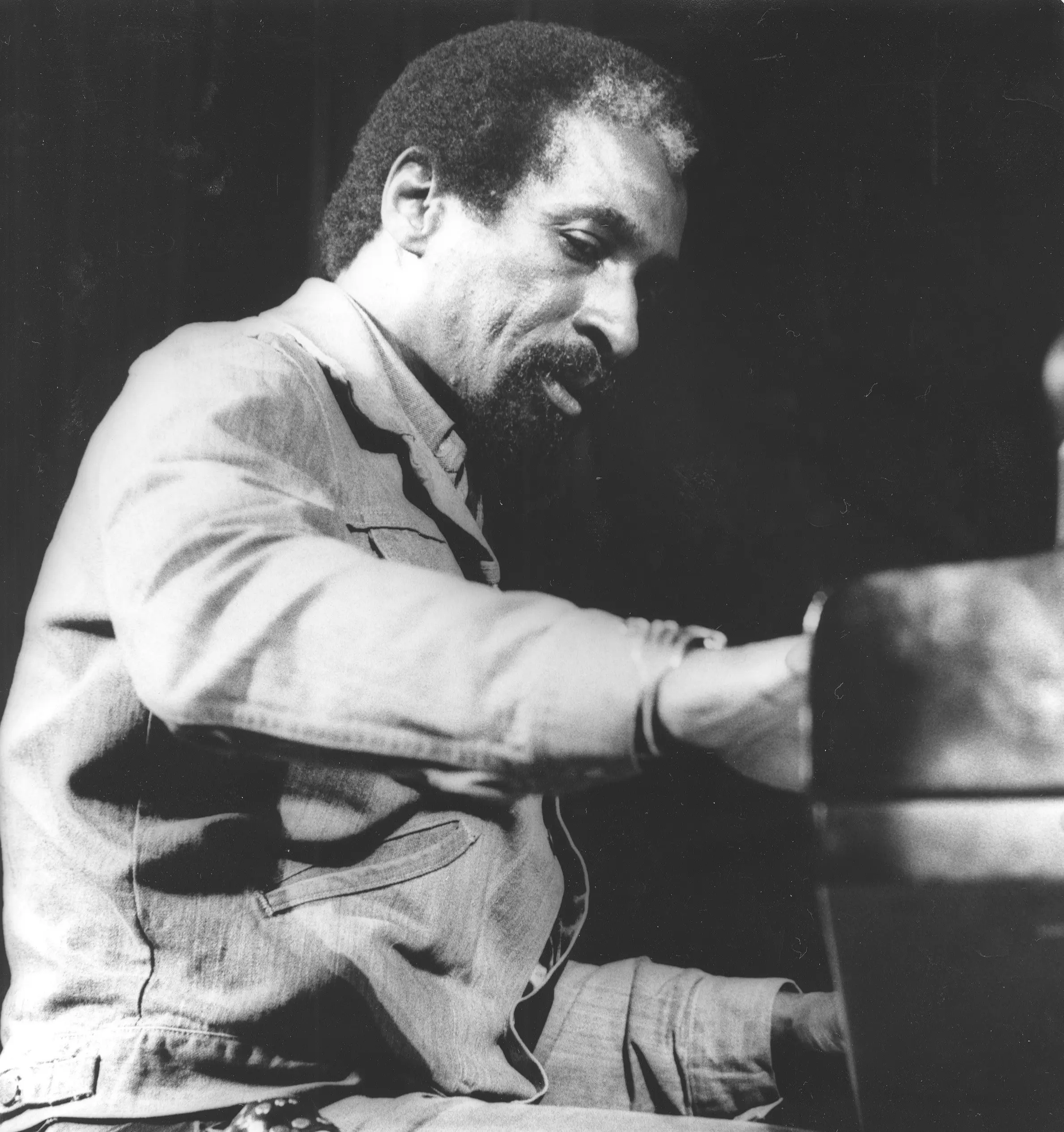
The global jazz landscape has been significantly expanded by the simultaneous release of three distinct recordings that bridge the gap between historical archival discovery and contemporary improvisational excellence. These releases, two from the archival specialists at Resonance Records and one from the storied ECM label, provide a comprehensive look at the evolution of jazz piano, reed instrumentation, and the art of the duet across five decades. The emergence of previously unissued live recordings by Mal Waldron and Yusef Lateef, both captured at Chicago’s legendary Jazz Showcase, offers new insights into the mid-to-late 1970s period of American jazz, while a new collaboration between Marilyn Crispell and Anders Jormin illustrates the continuing vitality of the European-American avant-garde tradition.
Archival Discoveries at Joe Segal’s Jazz Showcase
The release of Stardust & Starlight: At The Jazz Showcase by Mal Waldron and Alight Upon The Lake: Live At The Jazz Showcase by Yusef Lateef represents a major addition to the recorded history of Chicago’s jazz scene. Founded by Joe Segal in 1947, the Jazz Showcase has served as a cornerstone of the Midwest’s musical infrastructure, hosting international legends and providing a platform for local virtuosos. These recordings, facilitated by Resonance Records, known for their meticulous "jazz detective" work, capture a specific era in the 1970s when the genre was navigating the transition from the post-bop era into more experimental and spiritual territories.
The significance of these tapes lies not only in their rarity but in the fidelity of the performances. During the 1970s, many jazz artists found a more receptive audience in Europe and Japan than in the United States. Consequently, high-quality domestic live recordings from this period are of particular interest to historians. The Waldron set, recorded in 1979, and the Lateef set, recorded in 1975, document two masters of their respective instruments at the height of their creative powers, supported by rhythm sections that blended local Chicago talent with established touring professionals.
Mal Waldron: The 1979 Chicago Sessions and the Stitt Collaboration
Mal Waldron (1925–2003) remains one of the most distinctive stylists in jazz history. After serving as Billie Holiday’s final accompanist and suffering a major health crisis in 1963 that forced him to relearn his instrument, Waldron developed a minimalist, brooding, and highly rhythmic approach to the piano. The 1979 recording Stardust & Starlight captures Waldron in a quartet setting that includes bassist Steve Rodby—who would later achieve global fame with the Pat Metheny Group—and the formidable Chicago drummer Wilbur Campbell.
The album is notable for the inclusion of saxophonist Sonny Stitt on its final two tracks, "Old Folks" and "Stardust." Stitt, a disciple of Charlie Parker and a titan of bebop, represents a stylistic contrast to Waldron’s darker, more repetitive modal structures. Analysis of the recording suggests a fruitful, if unexpected, synergy between Stitt’s fluent alto saxophone lines and Waldron’s uncompromising piano architecture.
Key highlights of the Waldron release include:
- Solo Interpretations: A solo performance of Thelonious Monk’s "’Round Midnight" demonstrates Waldron’s ability to deconstruct a standard, emphasizing its lugubrious qualities through his signature heavy-touch technique.
- Original Compositions: A trio rendition of "Fire Waltz," one of Waldron’s most enduring compositions, showcases the tightness of the Waldron-Rodby-Campbell unit.
- Production Quality: Despite the challenges of 1970s live recording, the piano is well-captured, though historians note that the bass and drums are mixed further back in the soundstage than in modern studio productions.
Yusef Lateef: Spiritual Jazz and the 1975 Quartet
Yusef Lateef (1920–2013) was a pioneer in the integration of non-Western instruments and philosophies into the jazz idiom, a concept he referred to as "autophysiopsychic music." The three-CD set Alight Upon The Lake: Live At The Jazz Showcase documents a June 1975 residency featuring his "classic" quartet: Kenny Barron on piano, Bob Cunningham on bass, and Albert "Tootie" Heath on drums.
Lateef’s career trajectory—moving from the bebop orchestras of Dizzy Gillespie to the experimental ensembles of Charles Mingus and Cannonball Adderley—informed the eclectic nature of this 1975 performance. The recording captures the group at a moment when spiritual jazz and post-bop were merging. The track "The Untitled" features Lateef on tenor saxophone in a style reminiscent of John Coltrane’s late-period explorations, characterized by high-energy, "sheets of sound" improvisations.
The set also highlights Lateef’s mastery of the flute and oboe. On "Eboness," Lateef’s flute work provides a lyrical counterpoint to the group’s loose Latin rhythm. However, archival analysis notes the prominence of Bob Cunningham’s arco (bowed) bass solos, which often incorporated vocal-like inflections, a technique that remains polarizing among jazz purists but serves as a testament to the era’s experimental spirit.
Marilyn Crispell and Anders Jormin: Contemporary Dialogues
Moving from the archival to the contemporary, the release of Memento on ECM Records presents a new chapter in the long-standing collaboration between American pianist Marilyn Crispell and Swedish bassist Anders Jormin. Recorded in Lugano in July 2023 (released for the 2024/2025 season), the album is the duo’s first dedicated recording, following their work on Jormin’s In Winds, In Light (2004).
Crispell, a central figure in the avant-garde since her work with Anthony Braxton in the 1970s, has evolved from a style often compared to Cecil Taylor’s percussive density toward a more spacious, "spiritual lyricism" influenced by Coltrane. Jormin, a staple of the European jazz scene known for his work with Bobo Stenson and Tomasz Stańko, is recognized for his extraordinary facility with the bow and his deep, resonant tone.
The structure of Memento is a departure from the traditional head-solo-head format. The album begins with four duo improvisations that are virtually indistinguishable from formal compositions, highlighting the telepathic communication between the two performers.
- Atmospheric Explorations: Tracks like "Beach At Newquay" utilize Jormin’s high-register arco bass to evoke natural sounds, such as seagull cries, over Crispell’s atmospheric piano clusters.
- Tributes: The closing track, "Dragonfly," is a lyrical tribute to the late bassist Gary Peacock, a former collaborator of Crispell’s, grounding the album’s abstract moments in a deeply felt melodicism.
Comparative Analysis and Technical Specifications
The release of these three albums provides a unique opportunity to compare the evolution of jazz recording and performance styles. The Resonance releases (Waldron and Lateef) serve as historical documents, preserved on analog tape and restored for a modern audience. They represent the "Golden Age" of the American jazz club, where long-form improvisation and thematic exploration were the standard.
In contrast, the ECM release of Memento represents the modern "chamber jazz" aesthetic. Recorded in the pristine acoustics of the Auditorio Stelio Molo in Lugano, the album emphasizes silence, resonance, and the minute textures of the instruments. While the 1970s recordings at the Jazz Showcase are defined by their energy and social context, the Crispell/Jormin recording is defined by its intimacy and technical precision.
| Feature | Waldron (1979) | Lateef (1975) | Crispell/Jormin (2023/25) |
|---|---|---|---|
| Label | Resonance Records | Resonance Records | ECM Records |
| Location | Jazz Showcase, Chicago | Jazz Showcase, Chicago | Lugano, Switzerland |
| Format | 1 CD / LP | 3 CD / LP | 1 CD / LP |
| Key Instrument | Piano (Trio/Quartet) | Reeds (Quartet) | Piano/Bass Duo |
| Aesthetic | Post-Bop / Minimalist | Spiritual / Modal | Avant-Garde / Chamber |
Broader Impact and Industry Implications
The release of these albums underscores several key trends in the music industry. First, the "archival boom" continues to be a primary driver of growth in the jazz market. Labels like Resonance, Blue Note (with their Tone Poet series), and Impulse! are increasingly relying on "lost" tapes to engage collectors and scholars. The discovery of high-quality live dates from the 1970s, such as those at the Jazz Showcase, suggests that many more significant recordings may yet be found in private collections or venue archives.
Second, the international nature of these releases reflects the globalized state of jazz. A quintessentially American art form is being preserved and promoted by a mix of domestic labels and European powerhouses like ECM. The collaboration between Crispell (American) and Jormin (Swedish) further illustrates the cross-pollination that has defined the genre since the late 20th century.
Finally, these recordings reaffirm the importance of physical media and historical preservation. Both Resonance and ECM prioritize high-quality liner notes, rare photography, and expert mastering, catering to an audience that values the physical and intellectual context of the music as much as the audio itself. For the estates of Waldron and Lateef, these releases ensure that their legacies remain active and accessible to new generations of listeners, while for Crispell and Jormin, Memento cements their status as leading voices in the contemporary improvisational landscape.