Muhammad Ibadurrohman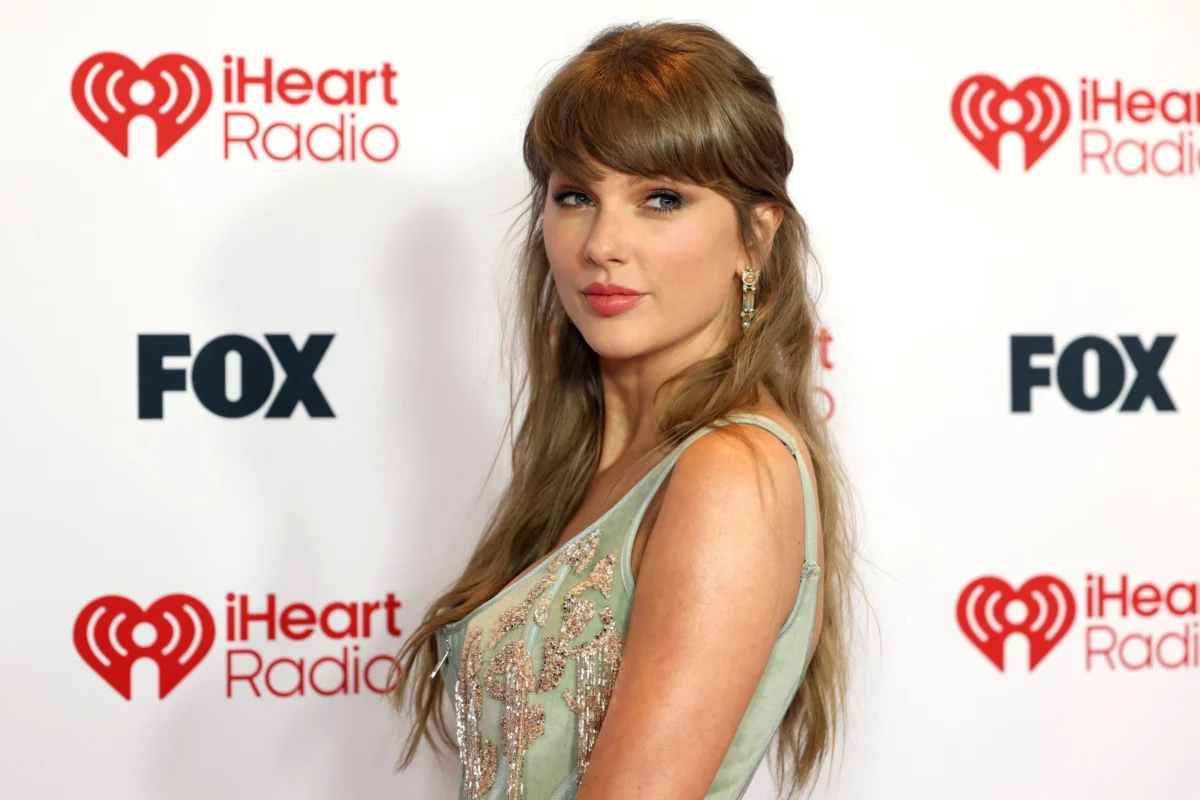
The contentious legal dispute between Blake Lively and Justin Baldoni, co-stars and director of the highly anticipated film It Ends With Us, is set to escalate dramatically next month as it heads to trial in New York. Central to this high-profile case, which has captivated Hollywood and the public alike, is the unexpected and pervasive presence of pop superstar Taylor Swift, whose name, private communications, and influence have become a significant point of contention for both legal teams. Despite not being a direct party to the lawsuit or a scheduled witness, Swift’s close friendship with Lively and her perceived celebrity power are at the heart of allegations ranging from strategic leveraging of influence to a calculated PR smear campaign. This trial promises to pull back the curtain on the intricate dynamics of power, personal relationships, and public perception within the entertainment industry, with Swift’s involvement adding an unprecedented layer of intrigue.
The Genesis of the Conflict: Harassment Allegations and Control Disputes
The core of the legal battle stems from Blake Lively’s allegations that Justin Baldoni, who served as both her co-star and director on the adaptation of Colleen Hoover’s bestselling novel It Ends With Us, sexually harassed her on set. Lively’s camp asserts that Baldoni and his associates then orchestrated a malicious public relations campaign to retaliate against her complaints, aiming to damage her reputation. This alleged smear campaign, according to Lively’s legal team, was a direct response to her efforts to address the workplace environment.
Baldoni, in turn, vehemently denies all harassment claims. He initially countersued Lively for defamation, among other charges, but these claims were subsequently dismissed, leaving him squarely in a defensive posture. Baldoni’s argument pivots on the assertion that Lively’s complaints were made in bad faith, a strategic maneuver to wrest creative control of the film from him and undermine his standing in the industry. He maintains that his media strategy was merely a reactive measure to Lively’s actions, rather than a retaliatory one. The August 2024 release date for It Ends With Us adds an additional layer of pressure, as the ongoing legal saga casts a long shadow over the film’s promotional efforts and public reception.

Taylor Swift: An Unwilling Yet Central Figure
From the early stages of this bitter court battle, Taylor Swift’s name has been inextricably linked to the proceedings, creating a unique situation where a globally recognized artist finds herself entangled in a contentious co-star dispute. Baldoni’s legal team has previously characterized Lively’s use of her friendship with Swift as employing a "dragon" to gain leverage and control over the film’s production. Conversely, Lively has accused Baldoni of deliberately planting media stories that exploit her relationship with Swift, framing it as a calculated move to generate tabloid fodder and divert attention from the actual harassment allegations.
While Swift will not be called as a witness and was never deposed – despite Baldoni’s team’s attempts to subpoena her – her name is prominently featured on a list of individuals whose names may arise during testimony. This list also includes other notable figures such as Lively’s husband, Ryan Reynolds; It Ends With Us supporting actress Jenny Slate; and music mogul Scooter Braun, who notably has a contentious history with Swift and close professional ties to Baldoni’s lead publicist, Melissa Nathan. This network of celebrity connections underscores the broader industry implications of the trial.
Text Messages: A Digital Battleground
Perhaps the most concrete and potentially damning evidence involving Taylor Swift comes in the form of her private text messages with Blake Lively. Baldoni’s team successfully obtained these communications from Lively, after an earlier attempt to subpoena Swift directly was dropped. Lively’s lawyers have indicated their intention to object to the admissibility of these texts, arguing they are irrelevant to the central claims of the case. However, Baldoni’s camp will likely contend that these messages are crucial, demonstrating Lively’s alleged attempts to leverage her high-profile friendship with Swift to exert influence and power over the film’s production and her co-star.

These unsealed communications, which have been posted to the court docket and are included in Baldoni’s exhibit list, offer a rare glimpse into the private exchanges between the two celebrities. In one exchange from April 2024, Swift explicitly offers to advocate for Lively’s version of a script rewrite to Baldoni, stating, "I’ll do anything for you !!" Another message shows Swift celebrating the inclusion of her Folklore track "My Tears Ricochet" in the film’s trailer. This particular exchange reveals Swift’s strategic thinking: "If Justin was strategic he would be like no Taylor Swift in the trailer because that gives you more power over the film, that’s your ally not his." Lively’s appreciative response – "Get yourself a best friend who thinks like the actual Roman Empire" – further highlights the perceived strategic value of Swift’s support. Swift’s subsequent reply, "His misogyny runs so deep he thinks women are incapable of winning chess matches or making long game power plays," directly addresses Baldoni’s character and intent, adding a sharp, personal dimension to the dispute.
Further demonstrating Swift’s active support for Lively’s legal position, other messages reveal her encouraging words prior to the lawsuit’s filing. Swift wrote, "I think this b***- knows something is coming because he’s gotten out his tiny violin," and "He needs to be beaten by his OWN words…it’s the only way to beat liars and hypocrites." These texts clearly indicate Swift’s belief in Lively’s claims and her desire for Baldoni to be held accountable.
Lively’s legal team has consistently downplayed Swift’s involvement, arguing that the pop star had no meaningful role in the actual production of It Ends With Us. They assert that Baldoni’s team is exploiting Swift’s celebrity purely for "clout" and to create sensationalist headlines, a stance echoed by Swift’s representatives when she was initially subpoenaed. At the time, Swift’s reps stated that the maneuver was "designed to use Taylor Swift’s name to draw public interest by creating tabloid clickbait instead of focusing on the facts of the case."
The "Weaponization of Feminism" and Calculated PR
A significant element of Lively’s defense strategy centers on exposing what her lawyers claim is Baldoni’s team’s calculated effort to manipulate public perception using Swift’s name. A key piece of evidence cited is a summer 2024 strategy document authored by Baldoni’s publicists. This document explicitly recommends "planting stories about the weaponization of feminism and how people in BL’s circle, like Taylor Swift, have been accused of utilizing these tactics to ‘bully’ into getting what they want." This directly contradicts Baldoni’s narrative and suggests a premeditated strategy to discredit Lively by associating her with a controversial perception of Swift’s public persona.

Lively’s lawyers plan to introduce this document at trial to argue that it was Baldoni’s team, not Lively, who strategically leveraged Swift’s superstardom for their own ends. They also intend to present a 2024 Daily Mail story titled, "How Blake Lively COPIED best friend Taylor Swift to promote It Ends With Us before turning to singer to help crisis manage backlash and Justin Baldoni drama," along with documentation tracing its origin. According to Lively’s team, Baldoni’s publicists allegedly urged a Daily Mail reporter to publish this particular story, rather than one focusing on human resources complaints during the film’s production. Evidence suggests the reporter was encouraged to write about how Lively was "emulating her best friend Taylor with the charm bracelets and s***." This exchange, if proven in court, would strongly support Lively’s claim of a deliberate PR smear campaign orchestrated by Baldoni’s camp.
"My Tears Ricochet": A Song’s Role in the Dispute
Beyond the text messages and PR strategies, Taylor Swift’s music itself might become a point of contention in the trial, specifically the licensing and use of her Folklore track "My Tears Ricochet" in the It Ends With Us trailer. The text messages on Baldoni’s witness list explicitly reference this. In a 2024 discussion with Lively about the song’s synch, Swift mentioned, "I fire off those texts to Austin" – presumed to be a reference to her brother, Austin Swift, who manages her licensing operations.
Should Baldoni’s team argue that the "My Tears Ricochet" synch was another facet of Lively’s scheme to "weaponize" her friendship with Swift for greater control, Lively’s lawyers are prepared to counter with evidence. They reportedly possess documentation indicating that the idea to use Swift’s song originated from the film’s producers and studio, rather than Lively herself. Furthermore, Lively’s team has obtained evidence demonstrating that the trailer, featuring Swift’s song, was widely considered a major success, drawing record viewership and significantly boosting the film’s profile. This would imply that the use of the song was a mutual benefit for the production, rather than a manipulative play by Lively.
A Chronology of Contentious Events

The legal drama surrounding It Ends With Us has unfolded over several months, painting a picture of escalating tensions:
- Early Production (Prior to April 2024): Filming for It Ends With Us takes place, during which Blake Lively alleges sexual harassment by Justin Baldoni. Discussions regarding script rewrites also occur.
- April 2024: Key text messages exchanged between Taylor Swift and Blake Lively, including Swift offering script help, celebrating the "My Tears Ricochet" synch, and making comments about Baldoni’s alleged misogyny. Swift also supports Lively’s nascent legal considerations.
- Spring/Early Summer 2024: Lively files complaints against Baldoni, leading to the initiation of legal proceedings. Baldoni responds with counterclaims.
- Summer 2024: Baldoni’s publicists allegedly author a strategy document recommending "planting stories about the weaponization of feminism" involving Taylor Swift. Media stories begin to emerge, including the Daily Mail article linking Lively’s promotional tactics to Swift.
- Late 2024: Baldoni’s team attempts to subpoena Taylor Swift for deposition. Swift’s representatives issue a statement calling it a "clickbait" maneuver. The subpoena is later dropped.
- Late 2024: Baldoni’s legal team successfully obtains Taylor Swift’s text messages with Blake Lively from Lively herself.
- Early 2025 (Next Month, inferred): The lawsuit is scheduled to proceed to trial in a New York court, where a jury will weigh the evidence and testimonies to determine the truth behind the allegations and counter-allegations.
- August 2024: Scheduled release of the film It Ends With Us. (Note: The article states "August 2024 film" for the release date, which might imply the trial is after the film’s release if "next month" is early 2025. This creates a slight temporal ambiguity in the original text, but the core narrative remains clear.)
Broader Implications and Industry Scrutiny
The upcoming trial carries significant implications not just for Blake Lively and Justin Baldoni’s careers, but also for the broader entertainment industry. The case could set precedents regarding the admissibility of private celebrity communications in legal disputes, the boundaries of public relations strategies in high-stakes situations, and the legal definition of workplace harassment within creative environments. The involvement of a figure as prominent as Taylor Swift also highlights the increasing difficulty celebrities face in maintaining a clear distinction between their private lives and their public personas, especially when personal friendships intersect with professional conflicts.
The scrutiny surrounding this trial will undoubtedly impact the perception of It Ends With Us itself. The allegations of sexual harassment and the subsequent PR battles could overshadow the film’s artistic merit and commercial performance. Moreover, the case brings into sharp focus the intricate web of relationships, power dynamics, and ethical considerations that define Hollywood, where friendships can be leveraged, and public images are meticulously crafted and fiercely protected. As the trial commences, the world will be watching to see how the jury navigates these complex claims, ultimately determining not only the fate of the individuals involved but potentially influencing how future celebrity disputes are handled in the court of law and public opinion.