Aveline Kirana
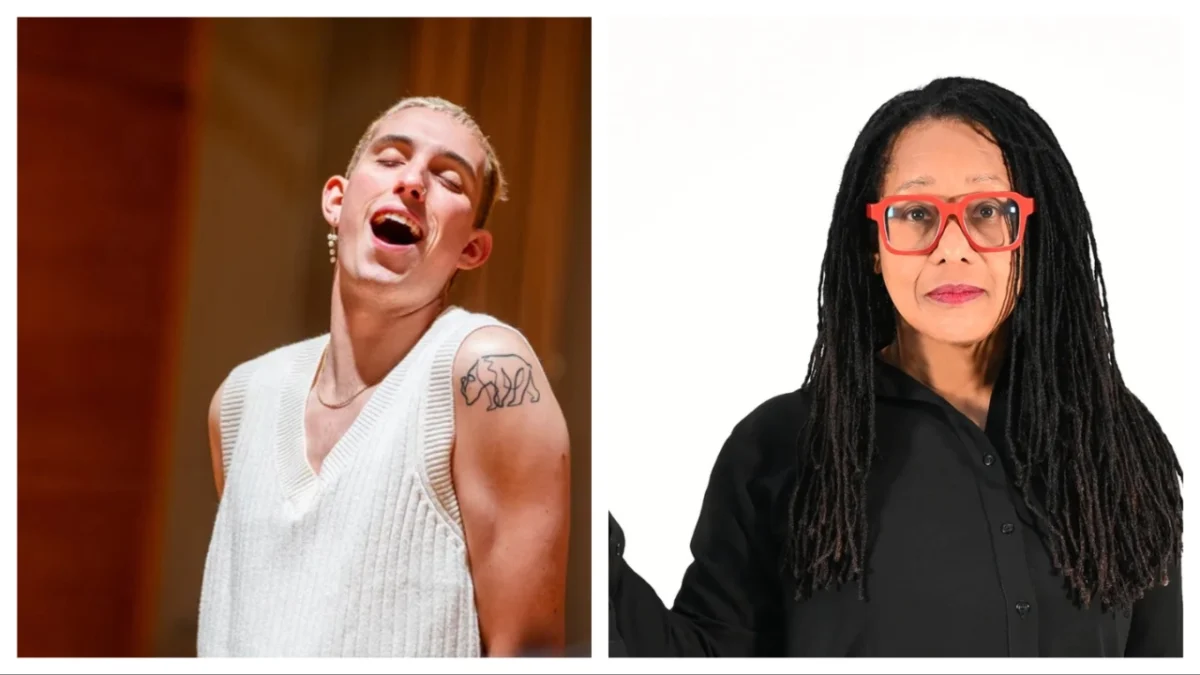
Sondra Radvanovsky is responding to the Teatro San Carlo investigation that mentioned the soprano alongside Jonas Kaufmann and Asmik Grigorian. In a statement to social media, the soprano said, “I’ve learned to my surprise that my name appears in a newspaper article regarding the Teatro di San Carlo. I am shocked, offended, and disheartened by what was written about me. These claims are untrue, and do not reflect how I have conducted myself over the course of my career, including my work in Napoli. xo Sondra.”
This strong denial from Radvanovsky emerges in the wake of a significant financial investigation at the prestigious Teatro di San Carlo in Naples, Italy. The probe, reportedly involving alleged fraud, embezzlement, and forgery, has cast a shadow over the renowned opera house and implicated several high-profile figures within the arts community.
The investigation, as detailed by La Repubblica, centers on the financial management of the theatre and has led to 12 individuals being placed under scrutiny. Among those named are former Superintendent Stephane Lissner and former Director General Emmanuela Spedaliere. The core of the allegations, according to the reports, revolves around suspected irregularities in financial dealings, including the payment of substantial sums for services that were purportedly never rendered. Specifically, the investigation has noted payments totaling 200,000 euros to artists for masterclasses and seminars that, according to the authorities, did not take place.
Radvanovsky’s statement directly addresses her inclusion in the reports, expressing profound personal distress and a firm refutation of any wrongdoing. Her assertion that the claims are "untrue" and do not align with her professional conduct, particularly during her engagements in Naples, underscores the gravity with which she views the situation. The soprano’s career is marked by numerous acclaimed performances in major opera houses worldwide, and her reputation is a cornerstone of her professional identity. The implication that her name is linked to financial impropriety is therefore a deeply personal and professional blow.
Joining Radvanovsky in addressing the allegations is internationally acclaimed tenor Jonas Kaufmann. In his own statement, Kaufmann also expressed surprise and a clear denial of any illicit activity. He stated, “I have been aware of certain rumours concerning an investigation at the Teatro San Carlo for some time. In my believe, it is only correct that the allocation of any public funds is carefully scrutinised. In this case, I am rather surprised to see my name associated with an investigation. All I can say is that I have met my contractual obligations in full.” Kaufmann’s response highlights a belief in transparency and accountability concerning public funds, while simultaneously asserting his adherence to contractual agreements.
The inclusion of artists like Radvanovsky and Kaufmann, who are globally recognized figures in the opera world, suggests the investigation may be examining the financial flows related to their professional engagements at the theatre, potentially through masterclasses, workshops, or other enrichment programs. The specific mention of 200,000 euros for unfulfilled masterclasses and seminars points to a key area of inquiry for investigators.
Background and Context of the Investigation
The Teatro di San Carlo, one of the oldest continuously active opera houses in the world, boasts a rich history and a significant cultural standing in Italy and internationally. Founded in 1737, it has been a cradle of operatic innovation and a stage for legendary performers. However, like many large cultural institutions, it faces ongoing challenges related to funding, management, and the complexities of operating within a public and often politically influenced sector.
Financial investigations within large public arts organizations are not uncommon. These can arise from a variety of factors, including internal audits, whistleblower complaints, or routine oversight by financial regulatory bodies. The allegations of fraud, embezzlement, and forgery suggest a systematic effort to misappropriate funds, which would indicate a serious breach of trust and potentially criminal activity.
The specific period under investigation is not explicitly detailed in the initial reports, but the involvement of former high-ranking officials like Lissner and Spedaliere suggests that the probe could encompass a significant period of their tenure. Stephane Lissner, a prominent figure in European opera management, has held leadership positions at major opera houses including the Paris Opéra and La Scala. Emmanuela Spedaliere also has a significant career in arts administration. Their association with the alleged financial irregularities amplifies the seriousness of the investigation.
The practice of artists conducting masterclasses and seminars is a common and valuable component of arts institutions. These programs not only provide educational opportunities for emerging talent but can also serve as a source of supplementary income for established artists and a way to engage with the broader community. The crux of the investigation, therefore, lies in whether these services were genuinely provided and if the payments made were commensurate with the work performed, or if they were merely a conduit for illicit financial transactions.

Timeline and Chronology of Events (Inferred)
While a precise timeline is not yet publicly available, the unfolding of this situation can be inferred through the reports and statements:
- Past Period: Alleged financial improprieties occur at the Teatro San Carlo, potentially involving the management and engagement of artists for masterclasses and seminars.
- Recent Past: An internal or external audit, or other investigative process, is initiated by authorities or the theatre itself, leading to the discovery of potential financial discrepancies.
- Early Stages of Investigation: Authorities begin to gather evidence, identify individuals of interest, and potentially conduct interviews.
- Recent Reporting: La Repubblica publishes an article detailing the ongoing investigation, naming several individuals under scrutiny and outlining the nature of the alleged offenses, including specific figures related to artist engagements.
- Artist Responses: Sondra Radvanovsky and Jonas Kaufmann issue public statements denying the allegations and asserting their adherence to contractual obligations.
- Ongoing Investigation: Authorities continue their work, with the potential for further developments, charges, or exonerations as the investigation progresses.
Supporting Data and Potential Implications
The figure of 200,000 euros for masterclasses and seminars, if indeed for services not rendered, represents a significant sum. In the context of opera house budgets, which can run into tens or hundreds of millions of euros annually, this amount, while substantial, might not represent the entirety of the alleged financial misconduct. However, it serves as a concrete example of the specific financial activities under scrutiny.
The implication of fraud, embezzlement, and forgery suggests a deliberate intent to deceive and to misappropriate funds. Fraud involves deception for financial gain. Embezzlement is the theft or misappropriation of funds placed in one’s trust or belonging to one’s employer. Forgery involves the creation of false documents or alteration of existing ones with the intent to deceive. If proven, these charges could carry severe legal consequences for those found guilty, including fines and imprisonment.
For the Teatro San Carlo, this investigation poses significant reputational damage. The opera house relies heavily on public funding, donor support, and ticket sales. Allegations of financial misconduct can erode public trust, deter potential donors, and impact future artistic programming and collaborations. It could also lead to increased scrutiny from funding bodies and governmental oversight committees.
The involvement of internationally recognized artists like Radvanovsky and Kaufmann, even as subjects of investigation rather than direct accused parties of embezzlement, can also have ripple effects. While their statements aim to distance them from any wrongdoing, their names being associated with such an investigation, however unfairly, can lead to unwanted attention and questions from their professional network and the public.
Broader Impact and Analysis
This situation raises critical questions about financial oversight and accountability within large cultural institutions. The complex interplay of public funding, artistic integrity, and administrative management requires robust systems of checks and balances to prevent financial irregularities. The allegations at Teatro San Carlo highlight the potential vulnerabilities that can exist, even in esteemed organizations.
The fact that the investigation has reportedly reached the level of involving prominent artists, even if only in relation to payments for services, suggests a broad scope of inquiry. It could indicate a systemic issue where financial controls were either inadequate or deliberately circumvented. The alleged payments for services that "never took place" are particularly concerning, as they point towards potential fictitious transactions designed to move money illicitly.
The statements from Radvanovsky and Kaufmann are crucial in this early stage. They serve to defend their reputations and to underscore their professional integrity. It is important to note that being named in an investigation does not equate to guilt. The legal process requires due process, and individuals are presumed innocent until proven guilty. Their firm denials suggest they are prepared to cooperate with authorities and demonstrate their compliance with all contractual and legal obligations.
The long-term implications for the Teatro San Carlo will depend on the outcome of the investigation. If wrongdoing is proven, significant reforms in financial management and governance may be necessary. If the investigation clears the accused, it will be a matter of rebuilding trust and ensuring that such reputational damage is minimized.
The case also underscores the importance of transparency in the arts sector. Open communication about financial practices and clear accountability mechanisms can help foster public confidence and protect both the institutions and the individuals who contribute to their success. The involvement of figures like Lissner, who has a history of leadership at major international opera houses, suggests that the issues at play may be complex and deeply embedded within the operational structures of such institutions.
As the investigation unfolds, the opera world will be watching closely. The Teatro San Carlo, with its storied past, faces a challenging period, and its ability to navigate this crisis with transparency and integrity will be paramount to its future. The artistic community, while often focused on creative endeavors, is inextricably linked to the financial realities of its institutions, and this investigation serves as a stark reminder of that connection.