Nana Wu
The highly anticipated Australian farewell tour by legendary hip-hop collective Wu-Tang Clan has been significantly impacted by the absence of several key members, leading to widespread fan disappointment and a subsequent offer of refunds from ticketing platform Ticketek for the Melbourne and Sydney shows. Promoted as a "full-lineup" and "final" series of appearances in the country, the tour’s initial dates revealed a considerably reduced roster, directly contradicting the marketing promises made by the group and tour promoters TEG Dainty and Untitled Group. This situation has ignited discussions within the live music industry regarding transparency in tour promotion and the management of fan expectations, particularly for iconic groups with large and often fluid memberships.
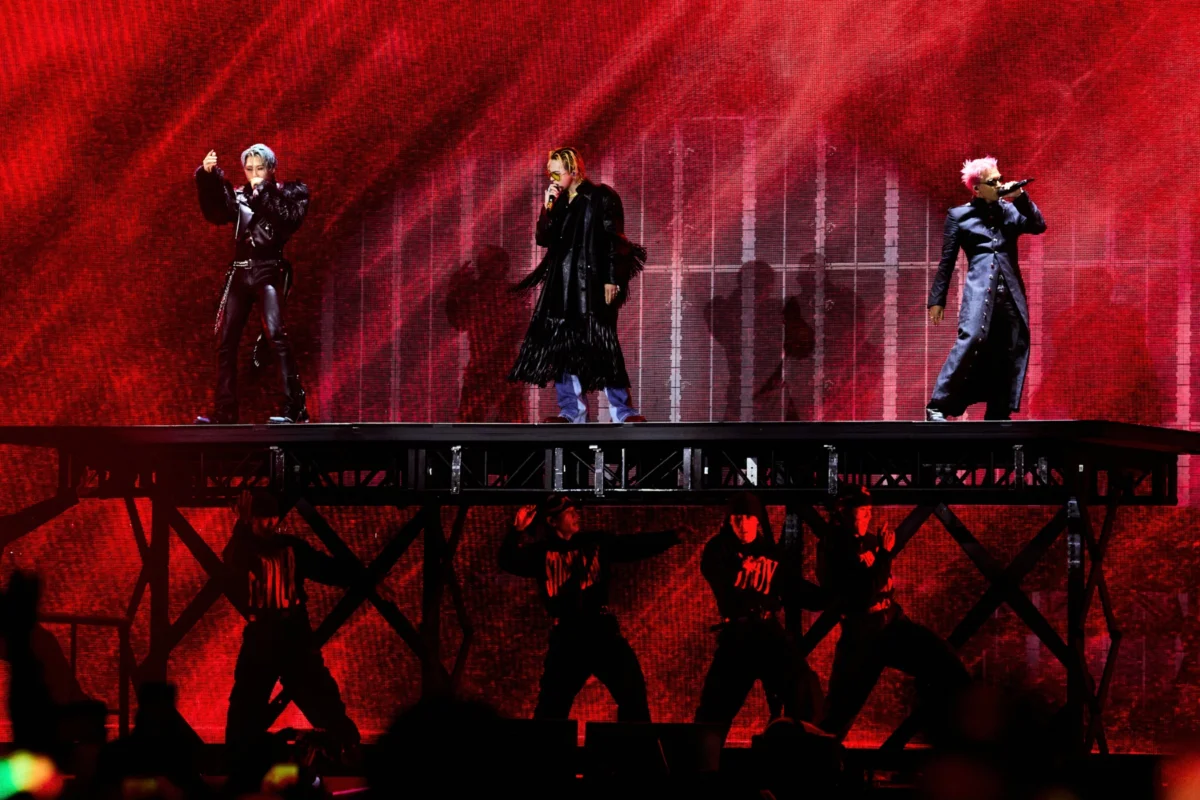
The controversy began to unfold following the group’s performance at the Brisbane Entertainment Centre on March 25. Fans attending the concert quickly took to social media platforms to express their dismay and confusion, reporting that prominent members Method Man, Raekwon, Cappadonna, and Young Dirty Bastard were notably absent from the stage. The lineup that performed included RZA, GZA, Ghostface Killah, Masta Killa, Inspectah Deck, and U-God. While these six members constitute a formidable core of the Wu-Tang Clan, the absence of four other advertised members, especially those with significant individual fan bases like Method Man and Raekwon, was a major point of contention for many ticket holders who had purchased tickets under the explicit understanding of witnessing a full, comprehensive lineup.
The discrepancy between the advertised "all members" and "final appearances" and the reality of the touring contingent has been a central point of the public debate. When the tour was first announced in October of the preceding year, the promotional materials unequivocally stated that the run would feature the complete collective, heightening anticipation among Australian hip-hop enthusiasts. This promise was a significant draw, given the group’s stature and the declared "farewell" nature of the performances, implying a rare and comprehensive opportunity to see all the artists who shaped the Wu-Tang legacy. However, in the days leading up to the tour, the Wu-Tang Clan’s official Instagram Story posted an update indicating that Method Man would not be travelling to Australia. Crucially, this communication made no mention of the other missing members—Raekwon, Cappadonna, and Young Dirty Bastard—leaving fans with incomplete information and setting the stage for the disappointment that followed the Brisbane show.
In response to the growing dissatisfaction and the verifiable absences, Ticketek, the primary ticketing platform, moved to address the concerns of ticket holders for the upcoming Melbourne and Sydney dates. In an official statement, Ticketek acknowledged the situation: "We want to make fans aware that due to unforeseen circumstances, a couple of members will be unable to join the remaining tour dates in Melbourne and Sydney." The statement further affirmed that "Wu-Tang Clan will be performing and bringing everything that has made them one of the most iconic live acts in hip-hop history," attempting to reassure fans about the quality of the remaining performance. Nevertheless, recognizing the breach of the initial promotional promise, Ticketek offered an option for fans who no longer wished to attend to claim a full refund. This measure, while standard practice in such situations, underscores the seriousness of the misrepresentation and the impact on consumer confidence. The promoters, TEG Dainty and Untitled Group, have largely aligned with Ticketek’s messaging, emphasizing the core group’s performance capabilities while remaining reticent on the specifics of the "unforeseen circumstances" or the initial "all members" guarantee.
The Wu-Tang Clan’s history and their profound impact on music provide essential context for understanding the gravity of this situation. Formed in Staten Island, New York, in 1992, the group rapidly ascended to become one of the most revered and influential hip-hop acts of all time. Their groundbreaking 1993 debut album, Enter the Wu-Tang (36 Chambers), is universally celebrated as a cornerstone of East Coast hip-hop. It redefined the genre with its gritty production, intricate lyrical narratives, and distinct personas of its nine core members. The album’s raw, cinematic soundscapes and martial arts-infused mythology cemented its place in music history, consistently appearing on lists of the greatest rap albums ever recorded and influencing countless artists across various genres. Its cultural resonance extends beyond music, impacting fashion, film, and art.

Their 1997 follow-up, Wu-Tang Forever, further solidified their dominance, debuting at No. 1 on the prestigious Billboard 200 chart. This double-album demonstrated the group’s expanded artistic scope and commercial viability, selling over 600,000 copies in its first week. Beyond the United States, Wu-Tang Forever also topped album charts in the U.K., Canada, and New Zealand, showcasing their global appeal. The album earned a coveted Grammy nomination for Best Rap Album, underscoring its critical and commercial success. Subsequent releases, while not always reaching the same commercial peaks, maintained the group’s artistic integrity and dedicated fan base. The collective’s unique structure, allowing members to pursue highly successful solo careers—such as Method Man’s acting roles and platinum-selling albums, Raekwon’s influential Only Built 4 Cuban Linx…, and Ghostface Killah’s critically acclaimed solo work—has always been a defining characteristic, but also a source of logistical challenges when touring as a unified entity.
The logistical complexities of managing a large ensemble like Wu-Tang Clan on a global tour are immense. With multiple members, each having individual careers, families, and commitments, coordinating a "full lineup" for an extensive international tour can be a formidable task. This is a challenge not unique to Wu-Tang Clan but faced by many supergroups or large musical collectives. However, the onus remains on promoters and artists to communicate these challenges transparently to the public, especially when a tour is explicitly marketed with promises of completeness and finality. Previous tours, such as their May 2023 "NY State of Mind" tour of Australia alongside fellow hip-hop icon Nas, also occasionally featured varied lineups, though perhaps without the same explicit "all members" promise or "farewell tour" implications.
This incident highlights a growing tension between fan expectations and the realities of modern touring. In an era where concert tickets can be expensive, and "farewell tours" are increasingly common, fans invest emotionally and financially in the promise of a definitive experience. The term "full lineup" for a group like Wu-Tang Clan carries significant weight, implying the presence of all the voices and personalities that contributed to their legendary status. When this promise is not met, it can lead to feelings of betrayal and erode trust in both the artists and the promoters. For many, seeing Method Man deliver his iconic verses or Raekwon’s distinctive flow is integral to the "Wu-Tang experience." The absence of such pivotal figures, especially without clear, upfront communication, can fundamentally alter the perceived value of the performance.
The broader implications for the live music industry are significant. This event serves as a cautionary tale for promoters regarding the precision and honesty required in tour marketing. In the age of instant information dissemination via social media, discrepancies are quickly identified and amplified by disappointed fans. This can lead to reputational damage for promoters and artists alike. It also raises questions about contractual agreements between artists and promoters, particularly concerning the composition of touring lineups for groups with multiple members. Clearer stipulations and communication strategies might be necessary to prevent similar situations in the future. Furthermore, it underscores the need for artists to manage their public communications carefully, especially when making announcements about tour personnel. A single, clear statement from the group acknowledging all absences early on could have mitigated some of the backlash.
In conclusion, the Wu-Tang Clan’s recent Australian tour has become a focal point for discussions surrounding transparency in music promotion and the management of fan expectations. While the performing members undoubtedly delivered a powerful show, the absence of Method Man, Raekwon, Cappadonna, and Young Dirty Bastard, coupled with the initial "all members" marketing, created a significant disconnect. Ticketek’s offer of refunds for the Melbourne and Sydney shows is a necessary response to the situation, acknowledging the legitimate grievances of fans. This incident serves as a stark reminder of the delicate balance between commercial imperatives and artistic integrity, and the critical importance of clear, honest communication in maintaining the invaluable trust between artists, promoters, and their dedicated audience in the dynamic landscape of live music.