Reynand Wu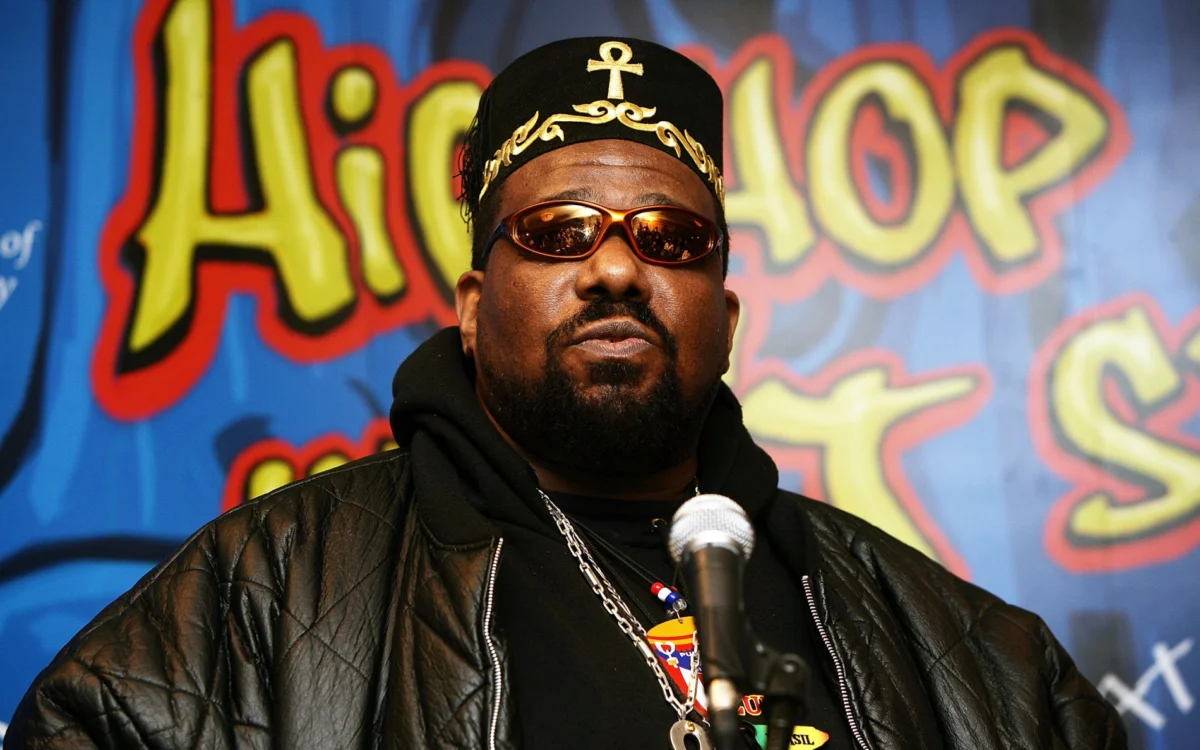
Lance Taylor, known globally as Afrika Bambaataa, the visionary DJ, producer, and cultural architect widely credited as a founding father of hip-hop, has died at the age of 68. His passing on Thursday, April 9, 2024, in Pennsylvania, was confirmed by his legal representative to the Associated Press, citing prostate cancer as the cause of death. Bambaataa’s demise marks the end of an era for a figure whose monumental contributions to music and culture are inextricably linked with a deeply troubling legacy of sexual abuse allegations that surfaced in the latter years of his life, casting a long shadow over his celebrated career.
The Architect of a Global Movement
Born Lance Taylor in the South Bronx, New York, Afrika Bambaataa’s journey from a reformed gang leader to a global cultural icon is central to the narrative of hip-hop’s genesis. In the turbulent 1970s, as the Bronx grappled with economic hardship, urban decay, and rampant gang violence, Taylor, then a prominent member of the notorious Black Spades street gang, underwent a profound transformation. Inspired by a trip to Africa and a growing awareness of social justice movements, he renounced gang life. He channeled his organizational skills and influence into fostering peace and unity through music and culture. This pivotal shift led to the establishment of the Universal Zulu Nation in 1973, an organization initially conceived as a reformed street gang that evolved into a global collective promoting hip-hop culture as a force for positive change.
The Universal Zulu Nation, under Bambaataa’s guidance, became a crucible for the emerging hip-hop movement. It provided a constructive alternative to street violence, emphasizing "peace, unity, love, and having fun" through its core tenets of knowledge, wisdom, understanding, freedom, justice, equality, and respect. Bambaataa, alongside fellow pioneers DJ Kool Herc and Grandmaster Flash, codified the four foundational elements of hip-hop culture: DJing (turntablism), MCing (rapping), B-boying/B-girling (breakdancing), and graffiti art. These elements, nurtured within the Zulu Nation’s community events and block parties, provided a creative outlet for Bronx youth and laid the groundwork for a cultural phenomenon that would transcend geographical and racial boundaries.
"Planet Rock": A Sonic Revolution
As a recording artist, Afrika Bambaataa’s most indelible mark was etched with the 1982 release of "Planet Rock" with the Soulsonic Force. This groundbreaking track was not merely a song; it was a sonic manifesto that redefined the possibilities of electronic music and hip-hop. "Planet Rock" fused pulsating electro-funk beats with a distinctively futuristic sound, heavily sampling German electronic pioneers Kraftwerk’s "Trans-Europe Express" and "Numbers," and utilizing the revolutionary Roland TR-808 drum machine.
The song’s innovative soundscape, a departure from the disco and funk dominant at the time, cracked the top 50 of the Billboard Hot 100, reaching number 48, and became an international sensation. Its profound influence extended far beyond the charts, igniting the electro-rap movement and serving as a foundational blueprint for countless dance-pop, techno, house, and even early Detroit techno records. Artists from across genres, including New Order, Public Enemy, and Juan Atkins, have cited "Planet Rock" as a pivotal inspiration, demonstrating its enduring impact on the landscape of modern music. It showcased Bambaataa’s genius as a DJ and producer, capable of synthesizing disparate musical elements into something entirely new and visionary.
A Legacy Complicated by Grave Allegations
Despite his monumental status as a cultural innovator, Afrika Bambaataa’s final years were overshadowed by a series of disturbing sexual abuse allegations, creating a deeply complex and polarizing legacy. These claims began to emerge publicly in 2016, challenging the narrative of a benevolent community leader and forcing the hip-hop community to confront uncomfortable truths about one of its most revered figures.
The initial public accusation came from Ronald Savage, who alleged that Bambaataa had sexually abused him in the 1980s when Savage was a young teenager. Savage’s courageous decision to come forward opened the floodgates, leading several other men to subsequently accuse Bambaataa of similar abuses during their teenage years. These allegations sent shockwaves through the music industry and the broader cultural landscape, prompting a difficult reckoning with the ethics of celebrating artists accused of severe misconduct.
The unfolding timeline of these allegations underscores their gravity:
- March 2016: Ronald Savage publicly accuses Afrika Bambaataa of sexually abusing him in the 1980s. Bambaataa, through his representatives, denied the allegations.
- Subsequent Months (2016 onwards): Following Savage’s initial claims, several other individuals come forward with similar accusations, detailing alleged sexual abuse by Bambaataa during their youth. These claims often described patterns of grooming and abuse of power within the context of the Universal Zulu Nation or Bambaataa’s sphere of influence.
- 2021: An anonymous plaintiff files a civil lawsuit against Bambaataa, alleging sexual abuse and trafficking over a four-year period, beginning in 1991, when the plaintiff was 12 years old and Bambaataa was in his 30s. This lawsuit detailed a harrowing account of sustained abuse.
- 2023-2024: Amidst the ongoing legal proceedings, Ronald Savage, the initial accuser, issues a nuanced retraction of certain aspects of his claims. In April 2024, he told AllHipHop, "Bambaataa is not a pedophile and, in my eyes, he was doing something that was consensual with someone that he thought was of age." This statement, while not denying an encounter, re-characterized his perception of the situation, adding another layer of complexity to an already fraught narrative. It’s crucial to note that Savage’s re-evaluation did not negate the other independent allegations and the separate civil lawsuit.
- 2025 (Original Article Date – likely a typo, given his death in 2024, implies a judgment before his death or soon after): In the civil lawsuit filed in 2021, Bambaataa failed to respond to the complaint or appear in court. As a result, a default judgment was awarded to the anonymous plaintiff. This legal outcome, while not a criminal conviction, legally affirmed the plaintiff’s claims in civil court due to Bambaataa’s failure to contest them. The alleged victim was awarded a substantial sum in damages, though the specific amount was not publicly disclosed in the original report.
Industry Reactions and the Weight of a Dual Legacy
The hip-hop community’s response to the allegations against Afrika Bambaataa has been a mixture of profound admiration for his artistry and deep discomfort with the accusations. Many figures, including his peers, initially expressed shock and disbelief, while others grappled with how to reconcile the image of a peace-loving pioneer with that of an alleged abuser.
Kurtis Blow, an early hip-hop luminary and executive director of the Hip Hop Alliance, articulated this dichotomy in a statement following Bambaataa’s death: "Today, we acknowledge the transition of a foundational architect of Hip Hop culture, Afrika Bambaataa. [He] helped shape the early identity of Hip Hop as a global movement rooted in peace, unity, love, and having fun. His vision transformed the Bronx into the birthplace of a culture that now reaches every corner of the world… At the same time, we recognize that his legacy is complex and has been the subject of serious conversations within our community."
This statement reflects a broader sentiment within the industry: an inability to simply erase Bambaataa’s historical contributions, yet an equally strong imperative to acknowledge the severe allegations. Some members of the Universal Zulu Nation initially defended Bambaataa, questioning the timing and veracity of the claims. However, as more allegations surfaced and legal actions progressed, the organization itself faced internal turmoil and public pressure, with some chapters distancing themselves from Bambaataa or emphasizing a commitment to protecting youth. The organization’s official stance has often been one of balancing respect for its founder with a recognition of the seriousness of the accusations.
The silence from some major artists and institutions also speaks volumes, highlighting the difficulty of navigating such a contentious issue involving a figure of Bambaataa’s historical magnitude. The allegations against him emerged during a period of heightened awareness around sexual abuse and accountability, particularly in the wake of the #MeToo movement, which forced many industries, including entertainment, to re-evaluate how they address and respond to such claims against powerful figures.
Broader Implications for Hip-Hop History and Cultural Preservation
Afrika Bambaataa’s death, coupled with the unresolved nature of the allegations, presents a significant challenge for how hip-hop history is recorded, taught, and celebrated. How does one honor the undeniable contributions of a cultural giant while acknowledging and condemning alleged acts of abuse? This question resonates beyond hip-hop, touching upon a broader societal debate about separating art from the artist.
For hip-hop, a genre deeply rooted in social consciousness and community empowerment, the controversy surrounding one of its architects is particularly poignant. It forces a critical examination of the power dynamics within nascent cultural movements and the vulnerability of young participants. The default judgment in the civil case, while not a criminal conviction, provides a legal finding that lends credence to the plaintiff’s claims, making it difficult for historians and fans to simply disregard the allegations.
The legacy of Afrika Bambaataa will forever be a tapestry woven with threads of revolutionary musical innovation, community building, and cultural expansion, intertwined with the dark, disturbing allegations of sexual misconduct. His vision helped define a genre that has become one of the most influential global cultural forces of the last 50 years, impacting fashion, language, art, and music worldwide. Yet, the pain and trauma described by his accusers cannot be erased. His passing ensures that the conversation surrounding his life will continue to be a complex one, compelling the world to grapple with the uncomfortable truth that even figures who inspire greatness can also be accused of inflicting profound harm, leaving behind a legacy that is as revered as it is reviled. The full scope of his impact, both positive and negative, will continue to be debated and re-evaluated for generations to come, as hip-hop confronts the multifaceted history of its origins.