Nana Wu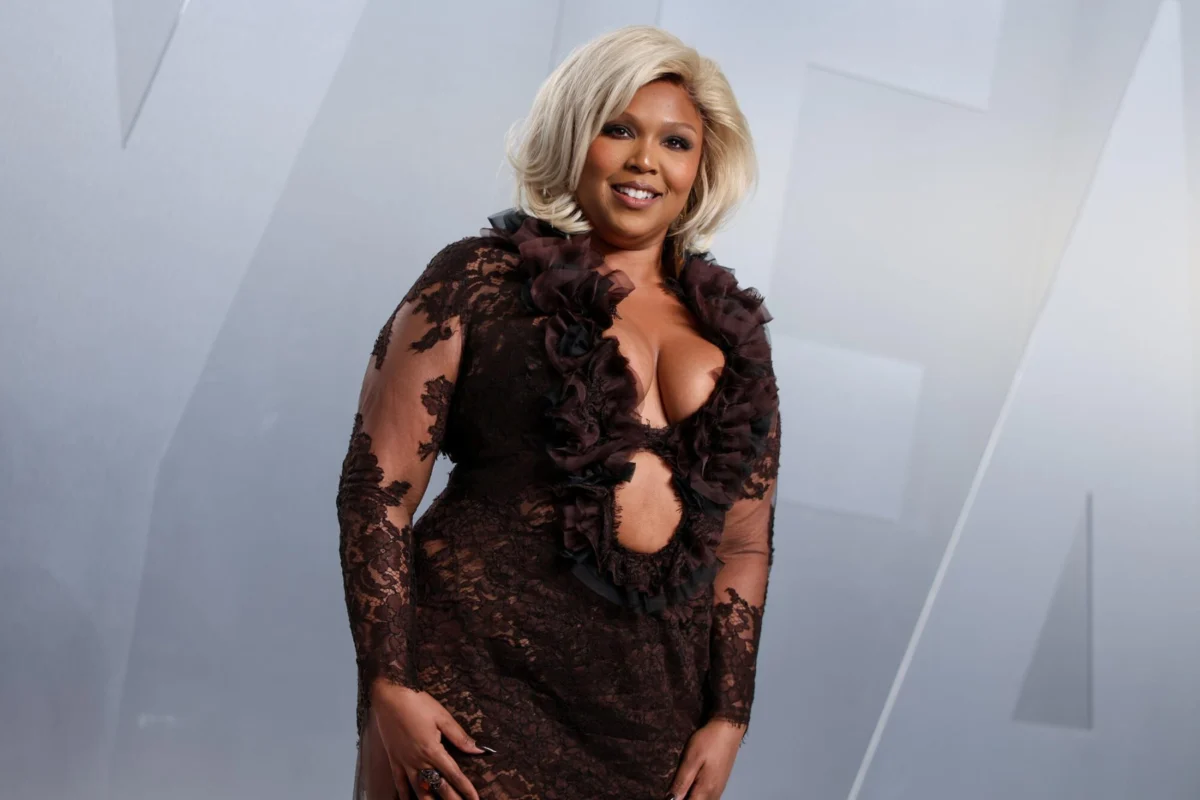
In a candid and revealing interview, Grammy-winning artist Lizzo, 37, disclosed on Tuesday, March 31, that she did not experience sexual intimacy until 2020, the pivotal year she secured three prestigious Grammy Awards for the deluxe edition of her acclaimed album, Cuz I Love You. The revelation came during her appearance on Benny Blanco and Lil Dicky’s Friends Keep Secrets podcast, offering an unfiltered glimpse into her personal life and the unique pact she made with herself regarding this significant milestone. Her confession resonated with many, adding another layer to her public persona known for authenticity and self-love.
A Late Bloomer’s Candid Confession
During the podcast discussion, as hosts Benny Blanco and Lil Dicky attempted to guess the age at which Lizzo, whose birth name is Melissa Viviane Jefferson, lost her virginity, the "About Damn Time" singer candidly admitted, "I was a late bloomer. I lied about it for a long time." This initial admission set the stage for a deeper exploration of her personal journey, a narrative that diverges significantly from conventional timelines often portrayed in celebrity culture. Lizzo, who would have been approximately 31 or 32 at the time of her first sexual experience in 2020, explained the unique condition she had set for herself years prior.
"Isn’t that crazy? … I wasn’t even thinking about it. For me, I just promised myself when I was younger that I wouldn’t have sex until I won a Grammy," she articulated, revealing the self-imposed vow that guided her personal life for years. This statement underscored the profound connection she drew between her professional aspirations and her most intimate personal experiences, illustrating a singular focus on achieving artistic recognition before embarking on certain aspects of adult life. The Grammy promise served as a powerful motivator, shaping her journey in ways few could anticipate.
The Pinnacle of Professional Achievement: Grammy Wins of 2020
The year 2020 marked a monumental turning point in Lizzo’s career, cementing her status as a global music phenomenon. At the 62nd Annual Grammy Awards, held on January 26, 2020, she was the most nominated artist, receiving eight nods. Her triumph that night included three major victories, fulfilling the very condition she had set for herself years prior.
- Best Urban Contemporary Album: Cuz I Love You (Deluxe)
- Best Pop Solo Performance: "Truth Hurts"
- Best Traditional R&B Performance: "Jerome"
These awards were not merely accolades but symbols of years of perseverance, artistic innovation, and a relentless pursuit of her craft. Cuz I Love You, released in April 2019, was a critical and commercial success, lauded for its empowering anthems, genre-bending sound, and Lizzo’s commanding vocal performances. Tracks like "Truth Hurts" had already dominated charts and become cultural touchstones, resonating with audiences worldwide for their messages of self-worth and resilience. The Grammy wins validated her unique artistic vision and provided a definitive moment of recognition for her contributions to contemporary music. For Lizzo, these triumphs were not just career milestones but deeply personal achievements that unlocked another chapter of her life.

The Nuances of a Personal Pact and Post-Win Realities
Lizzo further elaborated on the immediate aftermath of her Grammy wins, clarifying that while the condition for her sexual debut had been met, the act itself did not occur on the very night of the awards. "I didn’t actually have sex the night of the Grammys, but pretty soon after," she specified, indicating a brief period between the achievement and the fulfillment of her personal promise. This detail highlights the distinction between the symbolic breaking of a self-imposed barrier and the practicalities of intimate relationships.
When Lil Dicky pressed her on whether she would have ultimately broken her vow if the Grammy wins hadn’t materialized, asking, "Do you think you would have stuck to that? No. Eventually you would have f—ked had you not won the Grammy?", Lizzo responded with a thoughtful "Who knows?" This answer suggests a nuanced perspective on her commitment, acknowledging the hypothetical nature of the question while maintaining the sincerity of her original intent. It underscores that while the pact was a guiding principle, the path of life is inherently unpredictable.
Intriguingly, Lizzo also confessed that her mind was not immediately on sexual intimacy even after achieving her long-held goal. When co-host Kristin Batalucco inquired if the excitement of the Grammy wins was overshadowed by the anticipation of having sex, Lizzo replied, "I didn’t even know that it was in my cards. I wasn’t even really set up for that." This candid admission reveals that her Grammy aspiration was so singularly focused that the personal "reward" she had attached to it was almost an afterthought in the overwhelming moment of professional success. It speaks to the depth of her artistic dedication and the surprising ways personal milestones can unfold.
Societal Pressures and the Embrace of Authenticity
Lizzo’s decision to share such an intimate detail of her life opens up broader conversations about societal pressures surrounding sexual debut and the concept of "late bloomers." In many cultures, there is an unspoken expectation for individuals, particularly women, to engage in sexual relationships at a relatively young age. Deviating from this perceived norm can often lead to feelings of embarrassment, isolation, or the need to fabricate experiences, as Lizzo herself admitted.
Her confession about lying to her friends regarding her virginity resonates with countless individuals who have felt compelled to conform to social expectations. "I said, ‘I love the D!’ I said that. It was so f—king embarrassing… I was like, ‘I love the D’ and it held me over for a little while," she recounted, evoking a common experience of performative bravado to fit in. Lil Dicky mirrored this sentiment, sharing his own college-era anecdotes of feigning sexual prowess to maintain a certain image among his peers. These shared experiences highlight the universal human desire for acceptance and the sometimes-awkward ways individuals navigate personal milestones in social settings.
Lizzo’s transparency, however, stands in stark contrast to these earlier attempts at deception. By openly discussing her journey, she contributes to a growing cultural narrative that champions authenticity, individual timelines, and self-acceptance over societal norms. Her career has consistently been marked by messages of body positivity, self-love, and empowerment, making this latest revelation a natural extension of her public persona. It reinforces her role as an artist who encourages fans to embrace their true selves, regardless of conventional expectations.

The First Kiss: A Difficult Memory from Youth
Beyond her sexual debut, Lizzo also delved into the memory of her first kiss, revealing it occurred at the age of 21 and was far from the romantic ideal. This experience, she explained, was also influenced by religious beliefs from her formative years. "When we were teenagers at my church, we all made a pact that we wouldn’t do anything before marriage," she shared, indicating a conservative upbringing that shaped her views on physical intimacy. This background, coupled with her personal shyness, contributed to her delayed first kiss. "And then, I was just so scared. No one wanted to kiss me."
The actual event, when it finally happened, was unfortunately negative. "It was terrible. It was a New Year’s Eve thing and he, like, forced it on me," she recounted with palpable disappointment. The unsolicited nature of the kiss left her feeling violated and disheartened. "I was really mad and I was like, ‘My first kiss is ruined!’" This poignant detail offers a glimpse into the vulnerability of young adulthood and the lasting impact of unwelcome experiences. It underscores the importance of consent and the potential for early negative encounters to shape an individual’s perception of intimacy.
Implications and Broader Impact
Lizzo’s decision to share such deeply personal stories on a public platform carries several implications. Firstly, it further solidifies her reputation as one of the most authentic and relatable figures in contemporary entertainment. In an industry often criticized for its curated images and manufactured narratives, Lizzo consistently breaks down barriers by presenting an unfiltered version of herself. This vulnerability fosters a deeper connection with her audience, who often praise her for her honesty and courage.
Secondly, her story serves as a powerful message of validation for those who may feel marginalized or "behind" in their personal lives compared to their peers. By openly discussing her "late bloomer" status and her unique path to intimacy, Lizzo implicitly challenges the idea that there is a single, correct timeline for life’s milestones. Her narrative encourages self-acceptance and patience, emphasizing that personal growth and experiences unfold differently for everyone.
Finally, this revelation adds another dimension to the understanding of Lizzo’s artistic journey. Her music, often characterized by themes of empowerment, resilience, and self-love, now takes on an even deeper resonance when viewed through the lens of her personal experiences. Her struggle with self-consciousness, her disciplined pursuit of professional goals, and her eventual embrace of intimacy on her own terms all feed into the powerful messages she conveys through her art. She exemplifies the journey of defining success and happiness on one’s own terms, both professionally and personally.
The candid discussion on Friends Keep Secrets podcast, which has garnered significant attention, reinforces the role of such platforms in fostering genuine dialogue among public figures and their audiences. By creating a safe space for vulnerability, podcasts like this allow celebrities to share stories that humanize them, offering insights that transcend their public personas and connect with universal human experiences. Lizzo’s latest revelation is a testament to the power of open communication and the enduring impact of an artist who dares to be truly herself.