Jia Lissa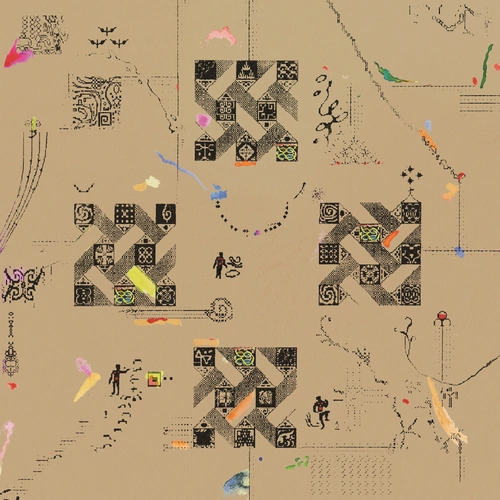
For the last few years, a pervasive sense of sample fatigue has settled over the music industry, particularly within electronic music and hip-hop. What began as a revolutionary technique, fueling boundless creativity and pushing sonic boundaries, has, for many, devolved into a monotonous cycle. Millennial nostalgia, amplified by the relentless churn of internet virality across platforms like TikTok and Reels, has led to a proliferation of soundscapes dominated by sped-up soundbites and seven-second loops, often chopped and algorithmically reassembled from a narrow pool of familiar source material. This reliance on tired tropes and overused archives has, at times, blurred the lines between serious musical curation and the ephemeral nature of trending content, leaving even seasoned selectors sounding more like ad-hoc wedding DJs catering to fleeting online trends. The technique of sampling itself remains an indispensable tool; its foundational role in genres from early hip-hop to breakbeat culture is undeniable. However, the contemporary challenge lies in transcending mere replication or nostalgic appropriation to cultivate genuinely fresh and personally resonant artistic expressions.
A New Era for Sample Culture: Reclaiming the Archive
Thankfully, a burgeoning generation of artists is actively recalibrating sample culture, steering it towards more personal and culturally rich territories. These innovators are delving into their own diverse cultural archives, meticulously mining folk music, forgotten historical recordings, and ceremonial songs to craft thoughtfully constructed, genre-bending club cuts. This introspective and culturally specific approach has yielded a wealth of explosive edits and imaginative reworks that resonate with authenticity and innovation.
Among the pioneers of this movement is Saudi-Irish producer Moving Still, renowned for his SWANA (South West Asian and North African) sampling in projects like the acclaimed ‘Ouddy Bangers’ series, which recontextualizes traditional Arabic melodies within modern electronic frameworks. Similarly, Thai artist Tanat Teeradakorn has garnered significant attention for his day-glo reinterpretations of ’70s activist anthems, infusing historical socio-political narratives with contemporary electronic vibrancy. The Daytimers collective, a prominent force in the UK’s underground scene, has also made significant waves with their Bollywood-flipping compilation debut, showcasing a vibrant tapestry of South Asian sounds reimagined for global dancefloors. Even mainstream titans have recognized and integrated this impulse into their work; global superstar Bad Bunny, for instance, frequently incorporates elements of plena, salsa, and bachata into his chart-topping tracks, paying homage to his personal Puerto Rican heritage while simultaneously acknowledging these foundational rhythms as cornerstones of modern pop music. This trend signifies a broader decolonization of sound, where artists from marginalized communities reclaim and recontextualize their sonic heritage, transforming it from a relic into a dynamic, evolving force.
Baalti & Lapgan: Forging a Unique Sound
This profound instinct to explore and reimagine personal cultural heritage forms the very bedrock of ‘Threads,’ a highly anticipated collaborative release from the Bay Area-based duo Baalti and Chicago beatmaker Lapgan. This compelling link-up brings together two distinct yet complementary approaches to music-making, resulting in a cohesive and richly textured sonic narrative.
Baalti, known for their percussion-forward productions, masterfully blend elements of bassline, dub, and left-field electro with carefully selected retro samples and an acute awareness of South Asian club scenes. Their previous work, such as the critically acclaimed 2025 EP ‘Mela,’ vividly illustrates this approach, drawing profound inspiration from rural Indian sound system culture, particularly the thumping, idiosyncratic ‘dek bass’ scene of West Bengal. Their productions are characterized by intricate rhythmic patterns and a deep reverence for the raw energy of traditional and regional sounds, filtered through a contemporary electronic lens.
Lapgan, by contrast, approaches sound with the meticulous ear of an archivist. A dedicated and discerning crate-digger, he possesses an extraordinary knack for unearthing obscure Indian and Pakistani recordings and transforming them into glossy, sophisticated hip-hop instrumentals. His work often highlights the melodic and vocal intricacies of these forgotten treasures, repurposing them into fresh, compelling narratives that bridge historical soundscapes with modern production sensibilities. Together, Baalti and Lapgan represent a potent fusion: Baalti’s propulsive, rhythm-driven energy meets Lapgan’s intricate, sample-laden storytelling, creating a dialogue between the dancefloor and the archive.
Crafting "Threads": A Desert Synthesis
The genesis of ‘Threads’ is as intriguing as its sonic output, with the album largely shaped during a pivotal 2024 trip to Joshua Tree, California. This remote, ethereal desert landscape, renowned for its stark beauty and contemplative atmosphere, provided a unique crucible for the collaboration. Away from the urban clamor of their respective cities, the artists found a conducive environment for deep creative immersion and uninhibited experimentation. Industry insiders suggest that such isolated creative retreats are increasingly favored by artists seeking to escape the distractions of daily life and foster intense focus on their craft. During this period, the duo meticulously combined the best elements of their individual crafts, allowing Baalti’s dynamic rhythmic foundations to intertwine seamlessly with Lapgan’s intricate tapestry of sampled voices and melodies.
The album opens with ‘Ipa Ma,’ an upbeat and instantly engaging track characterized by bubbling basslines that exemplify Baalti’s signature percussive persuasions. This is complemented by Lapgan’s meticulously assembled vocal snatches, which are woven into the fabric of the track, adding layers of human warmth and narrative depth. The synergy between the driving rhythm and the emotive vocal fragments establishes the album’s core aesthetic from the outset.
The lead single, ‘Lime Tikka,’ further illustrates their collaborative prowess, delivering a cool, coiling dose of syncopated house music. This track is ingeniously built upon a distinctive drum sample sourced from the late-2000s Bollywood film ‘Oye Lucky! Lucky Oye!’. The film itself, a satirical comedy-drama, provided a rich, unexpected sonic palette. The track’s progression is a masterclass in dynamic tension, moving from hollow, resonant beats to metallic bass frequencies, punctuated by the distinctive, reedy squeal of a nadhaswaram. The nadhaswaram, a traditional double-reed instrument of South India, often featured in classical music and temple ceremonies, adds an authentic cultural texture, bridging ancient sounds with contemporary club aesthetics.
Tracks such as ‘Romance’ and ‘Naaz’ pivot towards a more melodic focus, demonstrating the duo’s versatility. In these pieces, samples are allowed to stretch and morph organically across increasingly complex rhythmic structures. Rather than building towards a conventional drop, these tracks employ a sophisticated layering and looping technique, transforming different snippets into snappy, excitable hits that maintain a constant, evolving energy. This approach emphasizes textural richness and intricate interplay over predictable crescendos. In stark contrast, ‘Devotion’ serves as a palate cleanser, offering 90 seconds of silky, seraphic ambient soundscapes. This brief, atmospheric interlude provides a moment of contemplative calm, showcasing the duo’s ability to craft immersive sonic environments that transcend the dancefloor.
"Jab Se": An Accidental Masterpiece
The album’s final single, ‘Jab Se,’ carries a compelling origin story, having arrived almost by accident. The track began with a vocal loop that Lapgan became fixated on during the album’s concluding stages. Following a celebratory night out, the duo, in a burst of spontaneous creativity, revisited the fragment. Within half an hour, the track, imbued with a potent sense of urgency and shared inspiration, had seemingly written itself. The result is pure euphoria—a giddy central sample perfectly matched with a psychedelic expanse of sound. ‘Jab Se’ is undeniably primed for peak-time dancefloors and golden hour festival sets, encapsulating the unbridled joy and serendipitous magic that can emerge from collaborative artistic endeavors. Its infectious energy and expansive sound design position it as a standout moment on the album, a testament to the power of intuition and shared creative flow.
"Threads" in the Broader Musical Dialogue: Reimagining the Archive
At a juncture when sampling frequently feels disposable, relegated to the realm of fleeting trends and uninspired repetitions, ‘Threads’ stands as a powerful and timely reminder of the technique’s profound potential when it reconnects with its foundational roots. This collection moves beyond mere reference; it embodies an act of radical reimagination. Baalti and Lapgan, alongside their peers in this burgeoning movement, are consciously departing from the pursuit of viral hooks. Instead, they are returning to the original logic of sampling: treating the archive not as a relic to be dusted off, but as an inexhaustible source of fresh, living material.
In their capable hands, sampling transcends its role as a mere homage or a shortcut to familiarity. It becomes a transformative process, a sophisticated form of sonic archaeology. Songs and sounds that might otherwise have languished in obscurity—lost on out-of-print cassettes, gathering dust on forgotten record shelves, or simply going unnoticed by the casual listener—are meticulously unearthed and woven into entirely new contexts for entirely new audiences. This process is not merely about presenting old sounds in new packaging; it is about imbuing them with renewed relevance and resonance in the contemporary musical landscape.
While a degree of nostalgia undoubtedly plays a role in this artistic endeavor, it is curiosity and genuine connection that emerge as the stronger, more driving forces. ‘Threads’ embodies an active process of discovery—an intellectual and emotional journey that transforms disparate cultural histories into shared, communal experiences. The album challenges listeners to consider the origins and narratives embedded within sound, inviting them to engage with music on a deeper, more reflective level.
The Future of Global Electronic Music
The implications of ‘Threads’ and the broader trend it represents extend far beyond its immediate sonic impact. This movement signals a pivotal shift in global electronic music, advocating for a more inclusive, diverse, and historically conscious approach to creation. It highlights the growing influence of diaspora artists who are uniquely positioned to bridge cultural divides, drawing from their dual heritage to forge sounds that are simultaneously deeply personal and universally appealing.
Industry analysts suggest that albums like ‘Threads’ will not only garner critical acclaim but also inspire a new wave of producers to explore their own cultural legacies, fostering a richer, more varied sonic ecosystem. The commercial success of artists embracing this culturally specific sampling, as exemplified by Bad Bunny’s global reach, demonstrates that authenticity and cultural depth are not niche interests but powerful drivers of mainstream appeal. Furthermore, the collaborative nature of ‘Threads’ underscores the importance of cross-cultural and cross-regional artistic partnerships in pushing creative boundaries.
Ultimately, ‘Threads’ is more than just an album review; it is a testament to the enduring power of sound to connect past, present, and future. It champions a vision of music where innovation stems from introspection, where the global tapestry of human experience is celebrated through intricate sonic dialogues, and where every rediscovered snippet carries the potential for a brand new story. Baalti and Lapgan have not merely released an album; they have contributed a significant chapter to the ongoing evolution of electronic music, demonstrating that the deepest wells of inspiration are often found not in what is trending, but in what has been thoughtfully preserved and artfully reimagined.