Muhammad Hamdan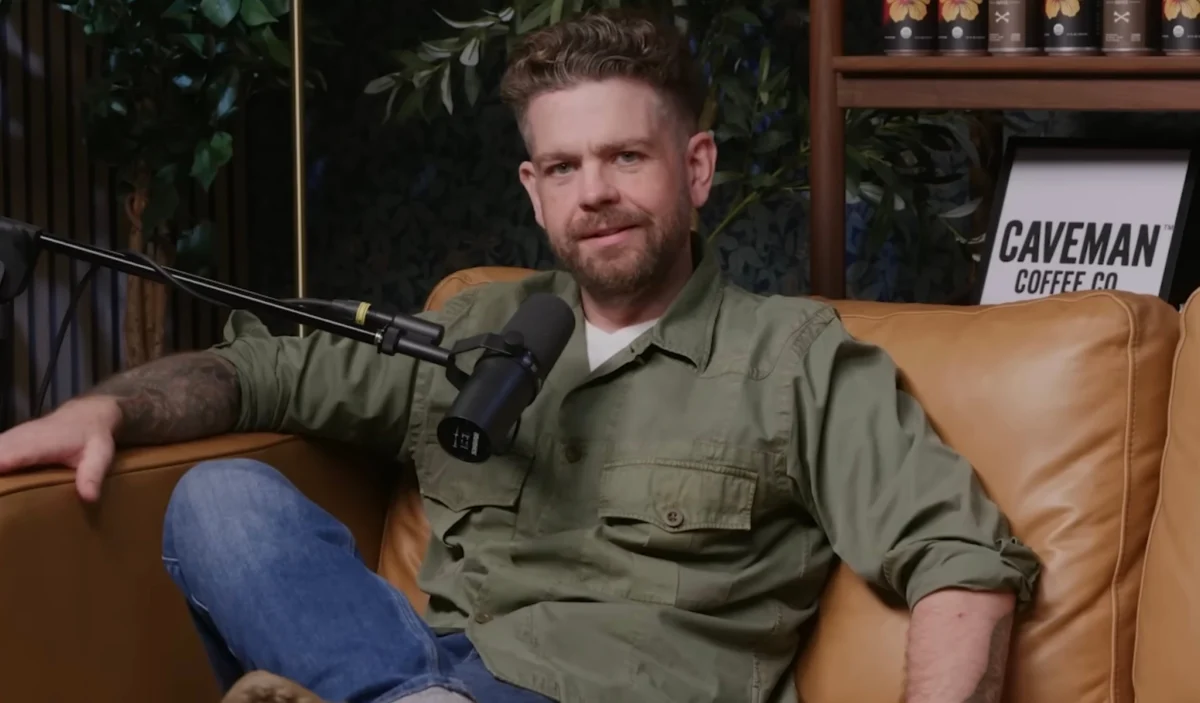
Jack Osbourne has broken his silence regarding a persistent rumor that has shadowed the highly publicized "Back To The Beginning" event, an all-star tribute to his father, Ozzy Osbourne, and the legendary Black Sabbath. The concert, which also served as a significant charitable endeavor in Birmingham, was designed to honor the iconic heavy metal pioneers while raising substantial funds for critical causes. Speaking on Jamie Kennedy’s podcast, "Hate To Break It To Ya," Osbourne provided a rare glimpse into a contractual dispute that allegedly led to a prominent band being removed from the prestigious lineup.
The Genesis of "Back To The Beginning"
The "Back To The Beginning" concert, held in Birmingham, a city intrinsically linked to the origins of Black Sabbath, was conceived as a multi-faceted celebration. Beyond its tribute aspect, the event was envisioned as a powerful philanthropic platform. Top-tier artists from the metal and hard rock genres agreed to perform without their standard performance fees, a testament to their respect for Ozzy Osbourne and the enduring legacy of Black Sabbath. The collective effort aimed to channel all proceeds towards charitable organizations, including Cure Parkinson’s, Birmingham Children’s Hospital, and Acorn Children’s Hospice. The initial reports indicated that the event successfully raised approximately $11 million, a remarkable sum underscoring the immense goodwill and support garnered for the cause.
The planning for such a large-scale event would have commenced well in advance, likely over a year prior to the concert date. The selection of artists, venue logistics, and the establishment of charitable partnerships would have been intricate processes. The unique proposition of an unpaid gig for the performers, coupled with the commitment to substantial charitable contributions, set a precedent that attracted widespread attention and admiration within the music community.
The Unveiling of a Dispute
During his interview on the "Hate To Break It To Ya" podcast, Jack Osbourne directly addressed the rampant speculation surrounding a band that was reportedly excluded from the "Back To The Beginning" bill. He confirmed the existence of a significant disagreement but staunchly refused to name the specific act involved. Osbourne cited the ongoing sensitivity of the matter and the potential for further fallout as reasons for his reticence.
The core of the controversy, as explained by Osbourne, revolved around a fundamental clash between the event’s charitable ethos and the financial demands presented by one particular band. The event’s model was predicated on artists foregoing individual performance fees, with the understanding that the organizers would cover essential "hard costs" associated with their participation. This typically includes expenses like travel, accommodation, and technical crew. However, the situation escalated when the proposed "hard costs" from the unnamed band reached an astronomical figure.
"Here’s what I will say, ’cause a lot of stuff online was about ‘Oh, it’s um…’ I cannot say the band," Osbourne stated unequivocally. "I cannot. I cannot. But what I will say is this. Everyone’s online speculating who it is, and I have not seen a single accurate [guess,] Not even close."
He elaborated on the proposed financial commitment required by the band, stating, "And the one band, I will say at this point, it’s like it was in the high hundreds of thousands of dollars what they said their hard costs would be… For them just to show up without any talent fee. It was… It was very frustrating." This figure, reportedly in the high hundreds of thousands of dollars, represented a significant portion of the event’s budget, even without a direct payment to the artists themselves.
Debunking Misinformation and Clarifying Roles
Osbourne took the opportunity to dispel specific rumors that had gained traction online, particularly those involving Wolfgang Van Halen. He clarified that Van Halen was not the band in question and, in fact, had expressed a strong desire to participate.
"Like I saw something that it was Wolfgang Van Halen and it was absofuckingutely not," Osbourne asserted. "Like Wolf wanted to be there so badly and it was just a clash in schedule [Wolfgang Van Halen withdrew due to a scheduling conflict with his tour with Creed] and hey, he was getting a paid gig versus an unpaid gig. Go do the paid gig. You know?"
This statement highlights a crucial distinction: while many artists performed for free, Wolfgang Van Halen’s withdrawal was attributed to a prior commitment that offered a paid performance, a practical consideration for any musician. The event organizers, including Jack Osbourne, acknowledged the validity of such professional decisions.
The structure of the event’s financial commitments was further detailed by Osbourne. "Here’s the caveat [about Back To The Beginning,] it was like listen, we’ll pay for your crew, we’ll pay your hard costs, but no one is, no one’s getting paid, like individually, like the band. But what ended up happening was a lot of crew donated their time. So, they were like, ‘No, we’re not charging for this.’ Because you know, a lot of the crews we’d all worked with for years anyway." This indicates a significant degree of generosity and collegiality from the technical crews, who often form the backbone of live music productions. Their willingness to donate their time further amplified the charitable impact of the concert.
The Nuance of "Hard Costs" and Management Influence
The conflict, as Jack Osbourne described it, was not about the bands demanding performance fees, which was understood to be off the table for this specific tribute. Instead, the dispute centered on the interpretation and scope of "hard costs." These typically encompass essential operational expenses required for a band to travel and perform. However, the unnamed band’s request for "hard costs" was reportedly so substantial that it jeopardized the event’s ability to maximize its charitable donations.
"He stressed that while no artist was being paid a performance fee, the event did agree to cover essential touring expenses. However, negotiations reportedly escalated when crew expectations and travel standards became contentious." This suggests that the band’s demands went beyond standard logistical necessities, potentially including higher-tier accommodations or specialized equipment that were not deemed essential for the charitable nature of the performance.
Osbourne also hinted at the possibility that the band members themselves might not have been the primary instigators of the financial demands. He suggested that management, acting on behalf of the band, might have been the driving force behind the exorbitant "hard cost" figures.
"But here’s the thing, it was like, ‘Are you fucking serious?’ And then you know and then you start… Here’s what, I will give the band the benefit of the doubt, and I will say it was probably the manager, but I don’t know, you know? I don’t know," Osbourne confessed. This perspective introduces a layer of complexity, suggesting that the internal dynamics of the band and their management team played a crucial role in the eventual outcome. It also implies a potential disconnect between the artists’ personal desire to support the cause and the financial imperatives driven by their professional representatives.
A Past Connection and a Post-Dispute Apology
A crucial detail revealed by Jack Osbourne is that the unnamed band had a prior working relationship with Ozzy Osbourne. This connection, while not explicitly detailed, adds another dimension to the situation, suggesting a pre-existing professional familiarity that, ironically, might have complicated the negotiations.
Furthermore, Osbourne mentioned that the band in question did offer an apology after the tensions had cooled. "He noted that the only confirmed detail is that the band had previously worked with Ozzy Osbourne in some capacity and even apologized afterward once tensions cooled." This apology, though not publicly detailed, indicates a level of remorse or understanding from the band after the situation had been resolved, or at least de-escalated. It suggests that they recognized the impact of their demands on the charitable nature of the event.
The Broader Implications and Unanswered Questions
The revelation of this dispute, even without naming the band, sheds light on the complex challenges of organizing large-scale charitable events, particularly those involving high-profile individuals and established artists. The "Back To The Beginning" concert was a testament to the power of collective action in the music industry, successfully raising millions for vital causes. However, this incident serves as a stark reminder of the financial realities and contractual intricacies that can arise, even within a framework of altruism.
The event’s success in raising $11 million for charities like Cure Parkinson’s is a significant achievement. This figure represents substantial support for ongoing research and patient care. The inclusion of Birmingham Children’s Hospital and Acorn Children’s Hospice further highlights the commitment to supporting vulnerable populations within the local community. The funds generated are crucial for these organizations, enabling them to continue their essential work in the face of sustained demand and funding challenges.
The ambiguity surrounding the identity of the band, while understandable from Jack Osbourne’s perspective to avoid further conflict, has undoubtedly fueled continued speculation. The fact that not a single online guess has been accurate underscores the secrecy and the potential for misdirection. The incident also prompts a broader discussion about the ethical considerations in such charitable endeavors. While artists are entitled to fair compensation for their work, the spirit of a tribute concert, especially one with such significant charitable aims, often relies on a degree of sacrifice and understanding from all parties involved.
The "Back To The Beginning" concert stands as a powerful tribute to Ozzy Osbourne and Black Sabbath, celebrating a musical legacy that has profoundly influenced generations. The event’s philanthropic success is undeniable, but the disclosed dispute serves as a cautionary tale, illustrating the delicate balance between artistic demands and charitable objectives in the high-stakes world of music and philanthropy. The enduring legacy of the concert will likely be intertwined with both its remarkable fundraising achievements and the lingering mystery of the band that almost wasn’t there. The question of "who was it?" may continue to resonate, but the primary objective of honoring Ozzy and Black Sabbath while supporting critical charities was ultimately met with resounding success.