 Mia Khoirunisa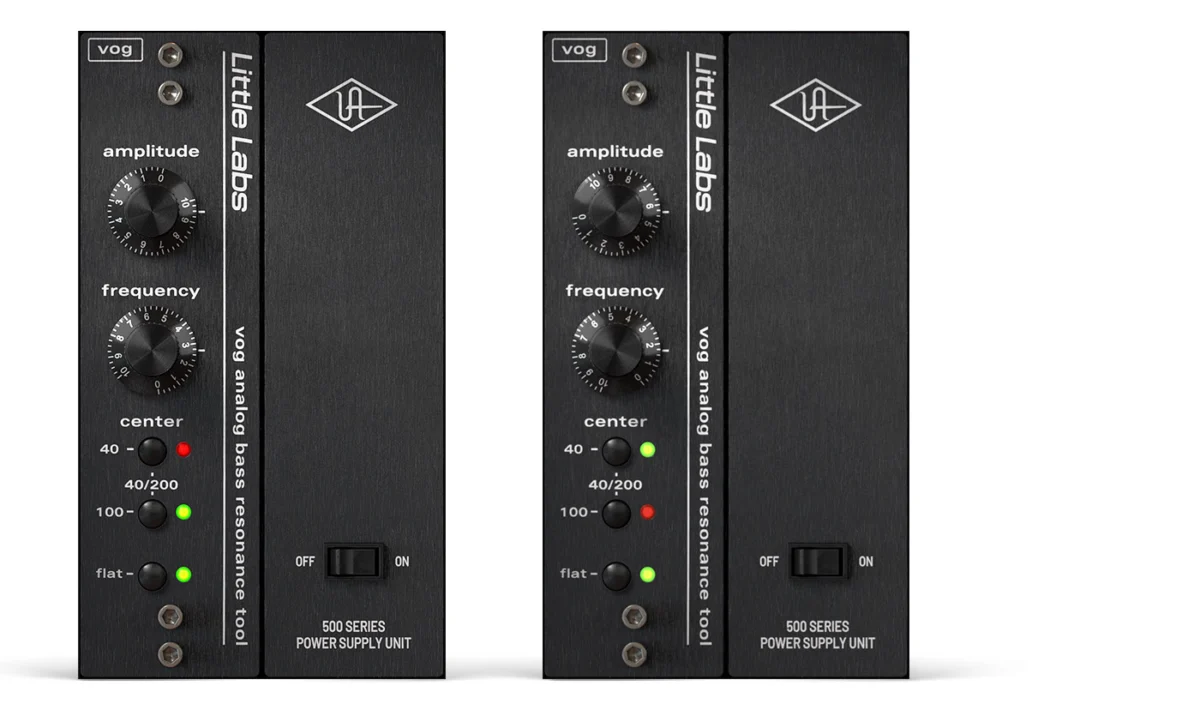
Universal Audio has officially transitioned its acclaimed "Voice of God" (VOG) plugin to a native format, a significant development for audio engineers and music producers worldwide. Previously requiring proprietary UAD hardware for operation, the VOG plugin can now be utilized directly within digital audio workstations (DAWs) without the need for any Universal Audio hardware interface. This move democratizes access to a tool long considered a "secret weapon" for achieving powerful and impactful low-end frequencies.
The Enduring Power of "Voice of God"
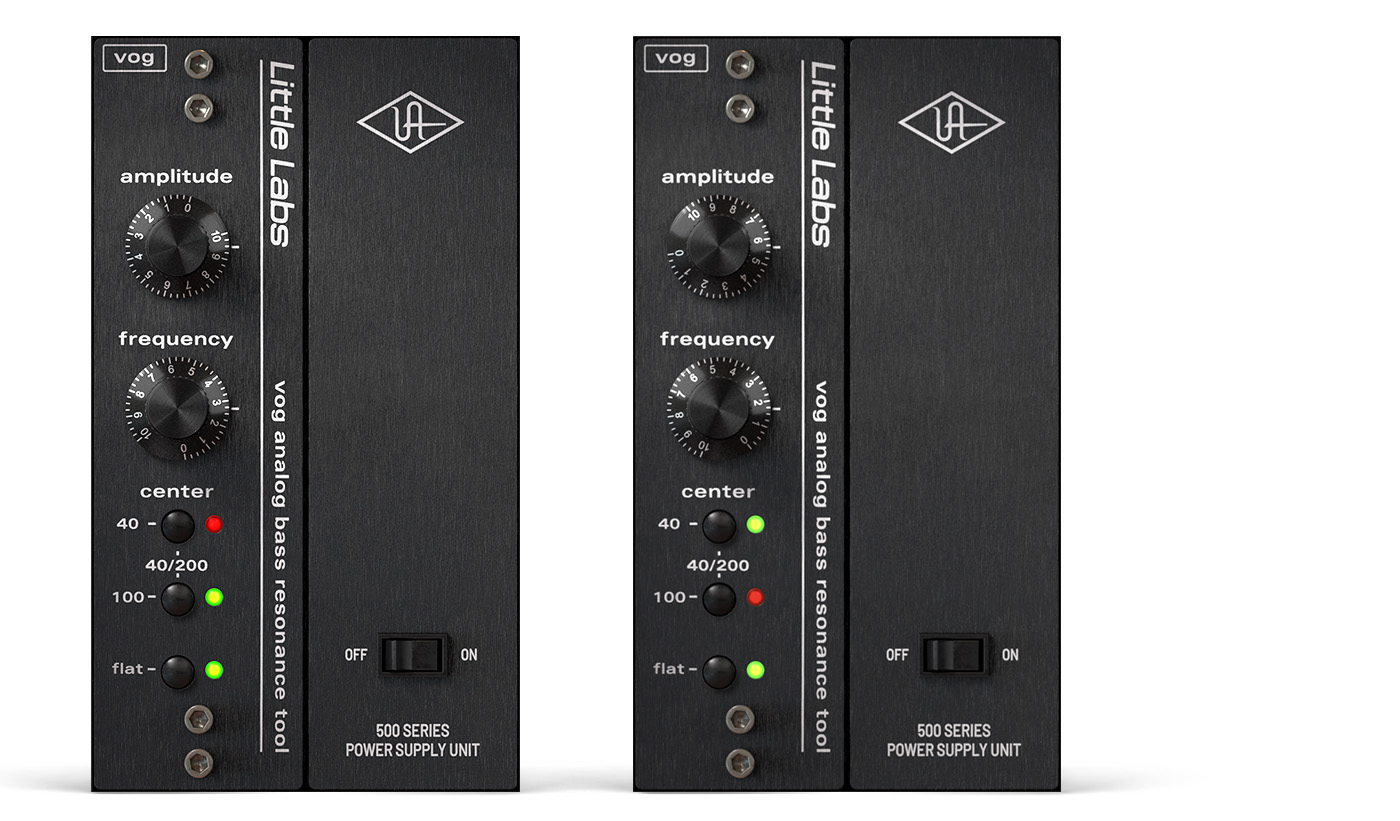
The "Voice of God" plugin, originally developed by Little Labs and later acquired and refined by Universal Audio, has carved out a unique niche in the audio processing landscape. Its primary function is to enhance and define the low-end frequencies of audio sources, particularly bass-heavy instruments and drums. Unlike conventional equalizers, which can sometimes introduce unwanted artifacts or phase issues when pushing extreme low-end, VOG is designed to deliver a focused and musical boost to the fundamental frequencies responsible for perceived weight and power.
Its efficacy has made it a staple in professional mixing studios for a variety of applications. Kick drums, whether acoustic or electronic like the iconic 808, benefit immensely from VOG, gaining a palpable punch and depth that anchors a track. Bass instruments, especially the distinctive 808 bass synthesized in hip-hop and electronic music, can be transformed from thin and reedy to full-bodied and resonant. The plugin has also found utility on other bass sources and even vocals, where it can add a subtle yet impactful gravitas.
The plugin’s design is often lauded for its simplicity and effectiveness. Users typically find that VOG achieves its sonic goals with minimal manipulation, avoiding the complex parameter adjustments often associated with achieving similar results through traditional EQ. This ease of use, coupled with its ability to deliver desirable results without compromising the integrity of the mix, has cemented its reputation as a reliable and indispensable tool.
A Shift Towards Accessibility: The UAD Hardware Dependency
For years, the power of the Little Labs "Voice of God" was accessible primarily to users invested in the Universal Audio ecosystem. The plugin was a core component of the UAD platform, which relies on dedicated UAD hardware accelerators (such as Apollo interfaces or satellite units) to process its extensive library of emulated vintage hardware. This approach offered superior performance and analog-modeled accuracy but created a barrier to entry for those who did not possess or wish to invest in UAD hardware.
This hardware dependency meant that while many engineers recognized the VOG’s sonic prowess, its widespread adoption was limited to a specific segment of the audio production community. The need to have UAD hardware connected and operational significantly restricted its portability and flexibility, especially for mobile recording setups or for engineers working across different studios with varying hardware configurations.
The decision to release VOG as a native plugin marks a strategic pivot by Universal Audio, signaling a commitment to broader accessibility and acknowledging the evolving landscape of digital audio production. This transition aligns with a trend across the industry where developers are increasingly offering both hardware-dependent and standalone plugin options to cater to a wider user base.
The Native Release: What It Means for Users
The native release of the Voice of God plugin means that users no longer need to own UAD hardware to harness its low-end shaping capabilities. The plugin will now operate directly within a user’s DAW, leveraging the host computer’s processing power. This has several key implications:
- Increased Accessibility: The most significant impact is the removal of the hardware barrier. Producers and engineers who previously could not access VOG due to hardware costs or preferences can now acquire and use it. This opens up a world of low-end enhancement to a much larger audience.
- Enhanced Flexibility and Portability: The native plugin offers unparalleled flexibility. It can be used on any computer with a compatible DAW, regardless of whether UAD hardware is present. This is particularly beneficial for producers who work on laptops, travel frequently, or collaborate with others who may not have UAD systems.
- Cost-Effectiveness: While the UAD hardware itself represents a significant investment, the native plugin simplifies the purchasing decision for VOG. Users can now buy the plugin directly without the added cost of acquiring specialized hardware.
- Continued Compatibility: For existing UAD hardware owners, the native release does not negate their current usage. The license will continue to function on UAD hardware, offering users the choice of how they wish to run the plugin.
The introduction of a native version is a testament to the enduring appeal and perceived value of the VOG plugin. Universal Audio’s decision suggests a recognition that the plugin’s sonic qualities are valuable enough to warrant a standalone offering, independent of its hardware-dependent origins.
Pricing and Introduction
Universal Audio has announced a standard retail price of $99 for the native Voice of God plugin. However, an introductory pricing offer of $49 is available, making it an even more attractive proposition for potential buyers. This pricing structure is common for plugin releases, aiming to incentivize early adoption and reward existing customers. The $49 introductory price point positions VOG as a highly accessible tool for enhancing bass frequencies, especially when compared to the cost of entry into the UAD hardware ecosystem.
The article notes that while $99 might seem "a little rough" to some, the $49 introductory price is considered "about right," indicating a perception of strong value at the lower price point. This suggests that the plugin’s proven track record and its unique capabilities justify a moderate investment, particularly when offered at a promotional rate.
Sonic Demonstration and Application
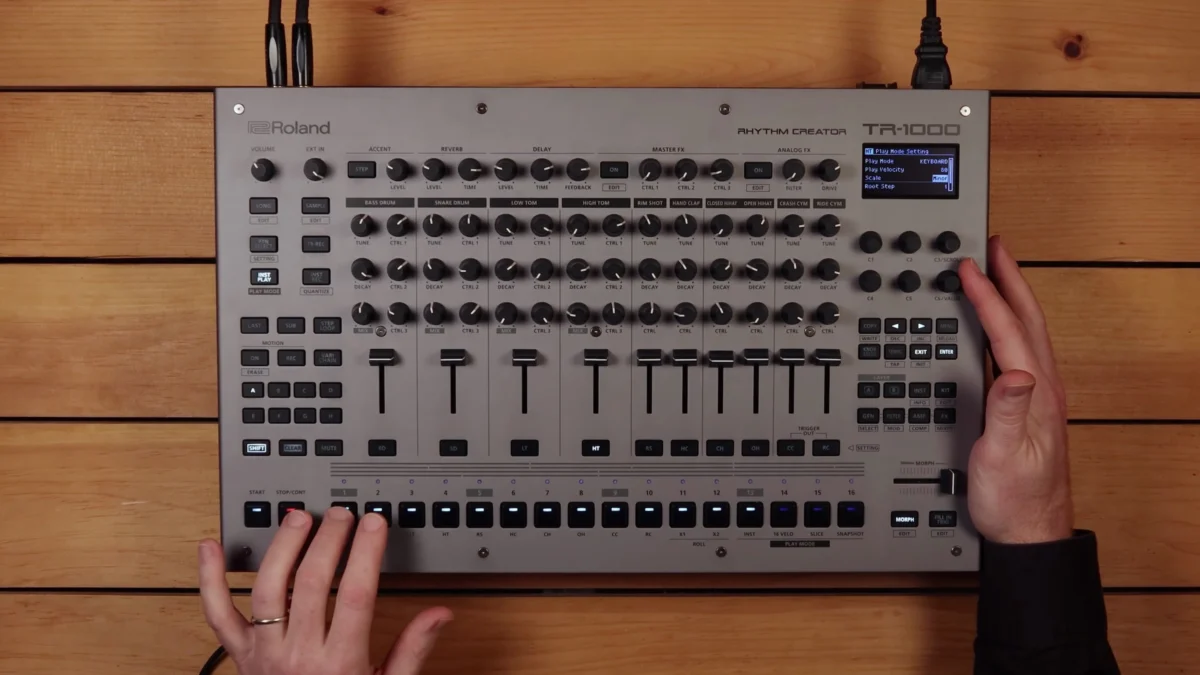
The article provides practical examples of the Voice of God plugin in action, notably with the Roland Cloud TR-808 model. The 808, a cornerstone of electronic music production, is often paired with VOG to achieve its signature deep and resonant bass. The demonstration highlights how, even with a relatively neutral 808 sound, VOG can impart a significant enhancement to the low-end.
It is cautioned that users should be mindful of existing low-end processing on their sources. Over-processing an already bass-heavy signal with VOG can lead to an overwhelming or muddy sound. The recommendation is to slightly reduce the master volume of the 808 before applying VOG, allowing the plugin to introduce its character without compounding existing low-end information.
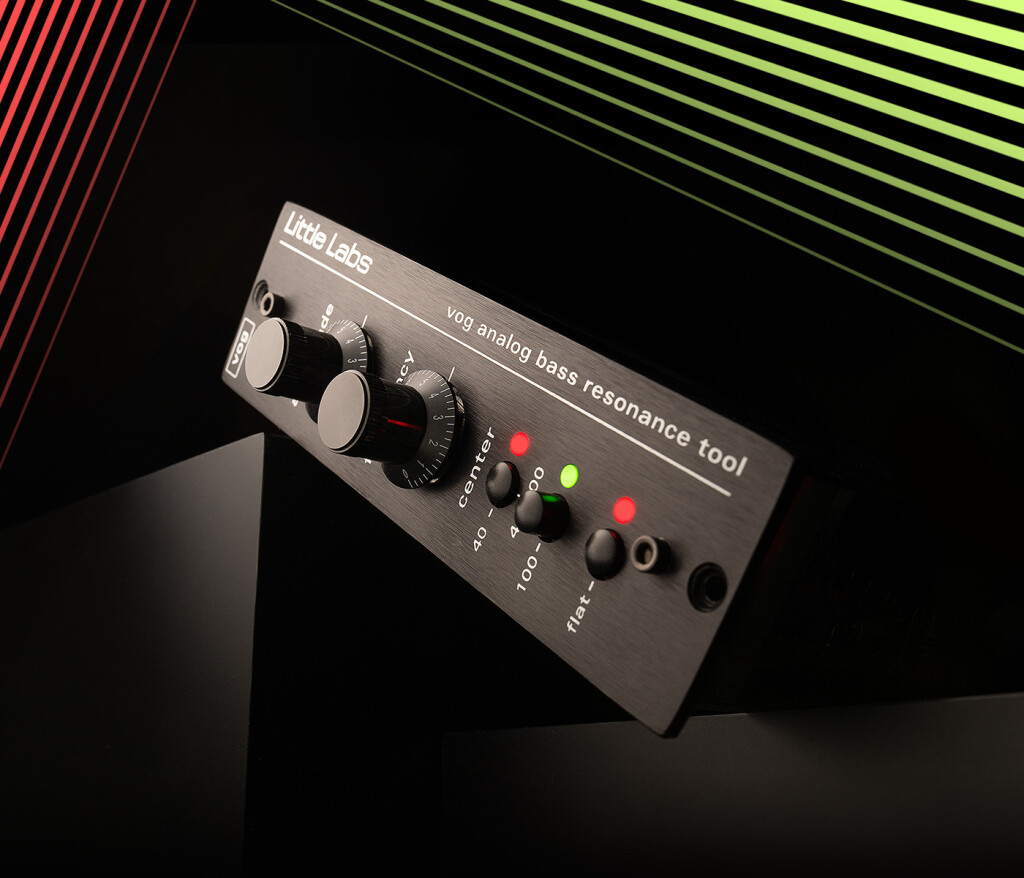
The article also touches on the effectiveness of the included presets. While the interface is intuitive enough that presets might not be strictly necessary for experienced users, they serve as valuable starting points and demonstrations of the plugin’s capabilities. The fact that the VOG’s processed sound can be perceived positively even through consumer-grade audio playback systems like YouTube further underscores its impact.
The "Cheat Code" of Low-End Enhancement
The term "cheat code" is frequently associated with the Little Labs Voice of God, even before its acquisition by Universal Audio. This informal designation speaks to its ability to achieve desirable low-end results with remarkable ease and speed, bypassing the often time-consuming and intricate process of traditional EQ sculpting.
Producer Derek Ali, known for his work with artists like Kendrick Lamar and Nas, has publicly championed VOG as a crucial mixing tool, often referring to it as his "bass mixing ‘cheat code’." These endorsements, amplified by demonstrations and testimonials from other industry professionals, have solidified VOG’s reputation as a highly effective, almost magical, solution for low-end problems. The article acknowledges that while such claims can sometimes be promotional, in the case of VOG, the widespread adoption and consistent praise from respected engineers suggest a genuine and significant impact on the mixing process.
Broader Implications for the Audio Industry
The native release of the Voice of God plugin has broader implications for the audio production industry:
- Democratization of Professional Tools: By making a once hardware-gated tool accessible to a wider audience, Universal Audio is contributing to the democratization of professional audio processing. This allows emerging producers and engineers to access tools that were previously out of reach.
- Shifting Plugin Models: This move signals a potential shift in how established plugin developers approach their product lines. The success of this native release could encourage other developers with hardware-dependent offerings to explore similar accessibility strategies.
- Increased Competition: The availability of VOG as a native plugin intensifies competition in the low-end enhancement plugin market. Producers now have a direct, accessible alternative to other bass-boosting plugins, forcing developers to continue innovating and demonstrating clear value.
- Focus on Core Functionality: The enduring popularity of VOG, despite its specific focus, highlights the demand for specialized, highly effective tools. Producers often seek out plugins that excel at a particular task, rather than relying solely on all-in-one solutions.
Conclusion
The Universal Audio Voice of God plugin’s transition to a native format represents a significant milestone. It liberates a highly regarded low-end enhancement tool from its hardware dependency, making its powerful sonic capabilities accessible to a much broader spectrum of audio professionals. With its proven effectiveness on kick drums, bass instruments, and more, VOG continues to be a vital instrument in the modern mixing engineer’s toolkit, now more attainable than ever. The introductory pricing further solidifies its appeal, positioning it as an essential acquisition for anyone looking to imbue their productions with the weight and authority of truly impactful bass frequencies.