 Muhammad Ibadurrohman
Spotify is currently building significant momentum for its forthcoming artificial intelligence-driven music remixing platform, securing high-profile licensing agreements that suggest a transformative shift in how digital music consumption and creation might intersect. According to statements made by co-CEO Alex Norström, the project has garnered "broad-based support" across the music industry, extending well beyond the initial cohort of major partners. As the company navigates the complexities of generative AI, the focus remains on a tripartite framework: securing explicit artist consent, providing transparent credit, and ensuring a sustainable model for royalty compensation.
The strategic push to formalize AI usage on the platform follows a period of intense industry scrutiny regarding the role of machine learning in creative works. By aligning with major industry stakeholders—including Universal Music Group, Merlin, Kobalt, and most recently, Paris-based Believe—Spotify is attempting to establish a "walled garden" approach where AI-assisted creativity is governed by existing copyright structures rather than existing in a legal gray area.
A Chronology of Strategic Partnerships and Policy Shifts
The development of this tool has been characterized by a cautious, deliberate rollout. Spotify has recognized that the integration of generative AI into its consumer interface requires not only technological capability but also a robust social license to operate.
The timeline of these developments reflects a broader industry trend toward AI regulation:
- September 2025: Spotify officially tightened its AI policies, implementing stricter enforcement against "AI-spam" tracks that flooded discovery algorithms with low-quality, automated content.
- Early 2026: Throughout the first half of the year, discussions between Spotify leadership and major labels intensified, focusing on how to monetize fan-driven content without diluting the value of original recordings.
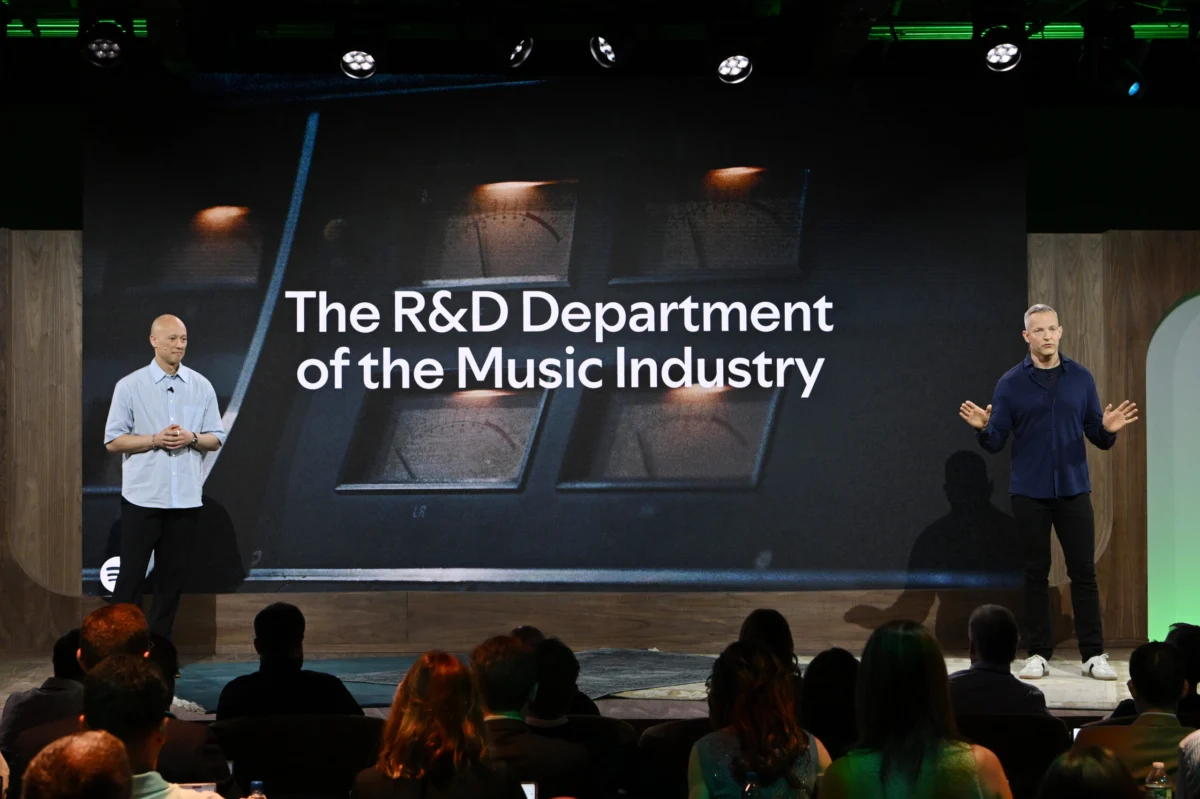
- May 21, 2026: During the annual Spotify Investor Day in New York, co-CEOs Alex Norström and Gustav Söderström outlined their long-term vision for the platform, emphasizing that AI would be a value-add for creators rather than a replacement for human artistry.
- October 2026: The formal announcement of the partnership with Believe and TuneCore solidified the "Three C’s" model—Consent, Credit, and Compensation—as the industry standard for the platform’s future remixing capabilities.
This sequence of events highlights a pivot from defensive measures against unauthorized AI content to proactive, licensed integration. By moving to remove over 125 million tracks identified as "AI-spam" since late 2025, the company has cleared the digital landscape, setting the stage for its proprietary, licensed tool to launch in an environment where quality and provenance are prioritized.
The Economics of the Three C’s
The foundational philosophy guiding this project, as articulated by the Spotify leadership team, relies on a structured economic framework. The "Three C’s" approach is intended to mitigate the friction that typically arises when technology platforms disrupt traditional intellectual property rights.
First, Consent ensures that artists and songwriters retain agency over how their works are manipulated. By creating a system where participation is opt-in, Spotify aims to assuage fears regarding the unauthorized "deepfaking" of voices or the appropriation of musical compositions. Second, Credit mandates that any remix or cover generated via the tool will clearly identify the original creator, maintaining the lineage of the musical work. Finally, Compensation is perhaps the most critical component. Revenue generated from the AI remixing tool—which will likely be offered as an add-on subscription service—will be directed into a royalty pool.
This model acknowledges the massive scale of the Spotify ecosystem. With 316 million premium subscribers as of the third quarter of 2026—a figure that has grown exponentially from the 71 million reported at the time of the company’s 2018 public offering—the platform possesses the data infrastructure to manage complex royalty distributions at scale. Since its inception, Spotify has paid out approximately $70 billion to rights holders, and executives view this AI initiative as a natural evolution of that revenue-sharing commitment.
Industry Implications and Market Analysis
The move toward an AI-integrated ecosystem carries profound implications for the music industry at large. Historically, the relationship between digital service providers and rights holders has been defined by tense negotiations over streaming rates. The introduction of AI tools creates a new layer of value—the "interactive" layer—where listeners transition from passive consumers to active participants in the creative process.

"This is a way for artists to participate in AI rather than just focusing on net new music being created," noted Gustav Söderström. This perspective suggests that Spotify is positioning itself not just as a library of recorded music, but as a creative engine. For labels and publishers, the risk of "cannibalization"—where AI-generated remixes might reduce the streams of original tracks—is being offset by the promise of new revenue streams and deeper fan engagement.
However, the technical challenges remain significant. The company’s continued use of multi-faceted detection tools—including metadata analysis, third-party AI identification, and user engagement feedback—underscores the difficulty of policing an open platform. The removal of 50 million tracks in the last quarter alone demonstrates the persistent threat of "spam" content, which risks cluttering the user experience and diverting royalties from legitimate artists.
Future Outlook and Strategic Challenges
As Spotify prepares for the broader release of its remixing tool, several variables will determine its long-term success. The first is the pricing strategy for the proposed add-on service. Executives have remained tight-lipped regarding the specific costs, likely awaiting further feedback from label partners who are wary of devaluing the primary subscription product.
Secondly, the "broad-based support" mentioned by Norström will be tested as the tool moves from a controlled beta to a global release. While major labels have shown willingness to participate, the long-tail of independent creators and smaller publishers will require more education on how these systems function. If the platform can demonstrate that the AI tool acts as a promotional vehicle rather than a replacement, it could set a new precedent for how AI is handled in the creative industries.
The broader tech landscape is also a factor. Competitors in the generative audio space are proliferating, but few possess the massive, pre-licensed catalog that Spotify controls. By securing the legal rights to these catalogs, Spotify is building a competitive moat that purely algorithmic AI startups cannot easily replicate.
Furthermore, the data suggests that Spotify’s core business remains robust. Adding 6 million net new subscribers in the third quarter of 2026, exceeding market guidance, provides the company with the financial stability needed to invest in these high-cost, high-risk technical endeavors.
Conclusion: A New Era for Digital Consumption
The transition from a passive listening platform to an interactive, AI-enabled creative hub marks a significant milestone in Spotify’s history. The company’s focus on the "Three C’s" model reflects a sophisticated understanding of the current legal and ethical environment surrounding generative AI. By aligning its technological roadmap with the interests of rights holders, Spotify is attempting to foster an ecosystem where AI serves as a tool for amplification rather than a tool for dilution.
As the industry watches the rollout of these tools, the ultimate test will be whether the promised "new revenue for the industry and creators" manifests as a tangible increase in earnings. If successful, the initiative could redefine the relationship between technology platforms and the music industry for the next decade, moving the conversation away from the threats of AI and toward the potential for unprecedented creative collaboration.
The task ahead for Norström and Söderström is to balance the rapid pace of technological innovation with the slow, steady progress of building industry consensus. Given the progress made throughout 2026, the company appears well-positioned to lead this shift, provided they continue to prioritize the delicate balance of transparency, equity, and artistic integrity that this new era demands.